
Vaccination Requirements for Dog Parks: What's Required in 2025?
Woof woof, friends! It's me, Auggie — your favorite Golden Doodle and self-appointed dog park correspondent. If there's one thing I love more than belly rubs (okay, maybe tied with belly rubs), it's a good romp at the dog park. But before my mom Lacey ever let me set a single fluffy paw inside those glorious fenced-in play zones, she had to make sure I was up to date on all my shots. That's right — we're talking about dog park vaccination requirements today, and trust me, this is one topic every pup parent needs to understand. I know, I know — nobody gets excited about needles. But those little pokes kept me safe from some seriously scary illnesses, and they're the golden ticket (pun intended) to a lifetime of safe, tail-wagging fun at the park. So let's dig into exactly what vaccines your dog needs, why they matter, and how to make sure you're fully prepared before your first visit.
Why Dog Park Vaccination Requirements Exist
Let me paint you a picture: dozens of dogs of all shapes, sizes, and sniffing habits gathered in one space, sharing water bowls, tennis balls, and plenty of slobber. Sounds like paradise to me! But from a health perspective, dog parks are what veterinarians call "high-exposure environments." That means diseases can spread faster than I can chase a squirrel.
Dog park vaccination requirements exist to protect every single pup in that park — including yours. When all dogs are properly vaccinated, we create what's known as community immunity. It means the chances of an outbreak of something like parvovirus or distemper drop dramatically. My mom Lacey always says, "Auggie, your shots aren't just for you — they're for all your friends too." And she's right (don't tell her I admitted that).
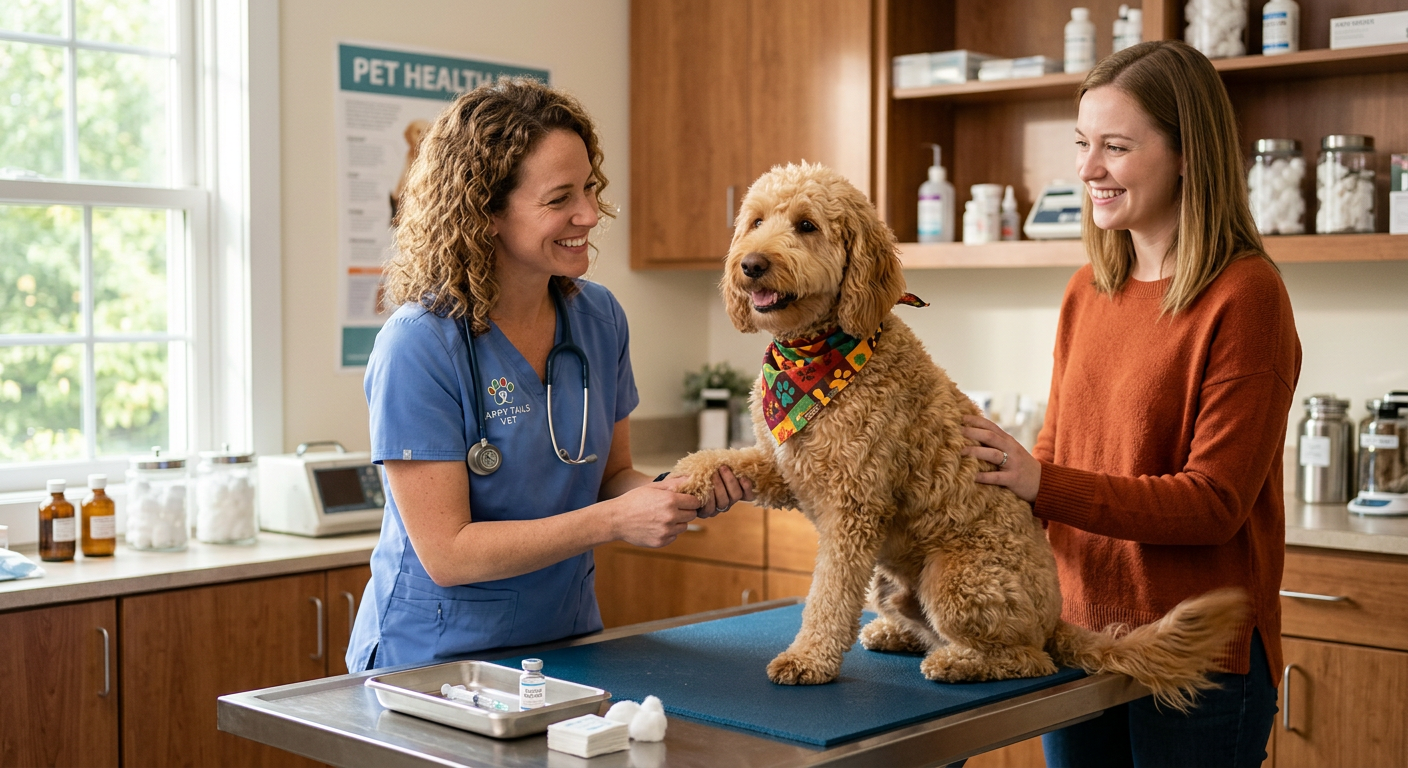
According to Truesdell Animal Care Hospital and Clinic, while rabies is the only nationwide legally required vaccine for dogs, most dog parks and facilities go further by mandating core vaccines like distemper, parvovirus, adenovirus, and often Bordetella as proof of entry.
Core Vaccines Every Dog Park Requires
Alright, let's get into the nitty-gritty. When people talk about dog park vaccination requirements, they're usually referring to three main categories of vaccines. Let me break them down the way my mom Lacey explained them to me (she used treats as visual aids, which helped).
Rabies Vaccine
This is the big one. Rabies vaccination is legally required nationwide for all dogs, typically by 12–16 weeks of age, with boosters every 1–3 years depending on your state and the type of vaccine used. There is no dog park in the country — none, zero, zilch — that will let your pup in without proof of a current rabies vaccine.
According to the Texas Department of State Health Services, Texas law mandates rabies vaccination for dogs by 16 weeks using USDA-licensed vaccines, with at least 30 days post-initial dose required before the dog is considered protected. Most states follow similar protocols, making this the baseline for any public dog area compliance.
DHPP/DA2PP (The Combo Vaccine)
This is the vaccine cocktail that covers the heavy hitters:
- Distemper — A highly contagious and often fatal viral disease
- Hepatitis/Adenovirus — Attacks the liver, kidneys, and eyes
- Parvovirus — Extremely dangerous, especially for puppies
- Parainfluenza — A respiratory virus that contributes to kennel cough
The American Animal Hospital Association (AAHA) 2022 Canine Vaccination Guidelines recommends the MLV (modified live virus) DA2PP vaccine for all dogs, especially those in high-exposure environments like dog parks. Puppies receive this every 3–4 weeks until 16–18 weeks of age, and adult dogs get boosters every 1–3 years.
Bordetella (Kennel Cough)
Ah, kennel cough. I've heard it at the park before — that honking, hacking sound that makes every dog parent's ears perk up in alarm. The Bordetella vaccine is required by most dog parks and is typically administered every 6–12 months. The good news? The intranasal or oral versions can provide quick immunity within 48–72 hours, which is great if you need to get park-ready fast.
Cahaba Beach Dog Park, a real facility with clearly posted dog park rules, requires current Bordetella, DHLPP, and rabies vaccines for all dogs over 6 months — and this is pretty standard across the country.
Additional Recommended Vaccines for Dog Park Safety
Beyond the core requirements, your vet may recommend additional vaccines based on where you live and what kind of parks you visit. Dog park safety doesn't stop at the basics.
Canine Influenza (H3N2 and H3N8)
Dog flu is real, folks, and it spreads like wildfire in social settings. If your local area has had outbreaks, this two-dose vaccine series with annual boosters is a smart move. My mom Lacey got me this one after hearing about a flu scare at a park near us.
Leptospirosis
This one is especially important if your dog park near you has water features, ponds, or muddy areas. Leptospirosis is a bacterial infection spread through contaminated water and soil, and it can be transmitted to humans too. As Wagbar's veterinary guide notes, leptospirosis and canine influenza vaccines are recommended for parks with water features, outbreaks, or tick exposure.
Lyme Disease
If you're in a tick-heavy region (looking at you, Northeast and Upper Midwest), the Lyme disease vaccine is worth discussing with your vet. Dog parks with wooded perimeters or tall grass can be tick hotspots.
I always recommend keeping a Seresto Flea and Tick Collar for Dogs on your pup for extra protection. My mom Lacey swears by it, and I barely notice I'm wearing it.
Understanding the Vaccination Timeline for Dog Park Visits
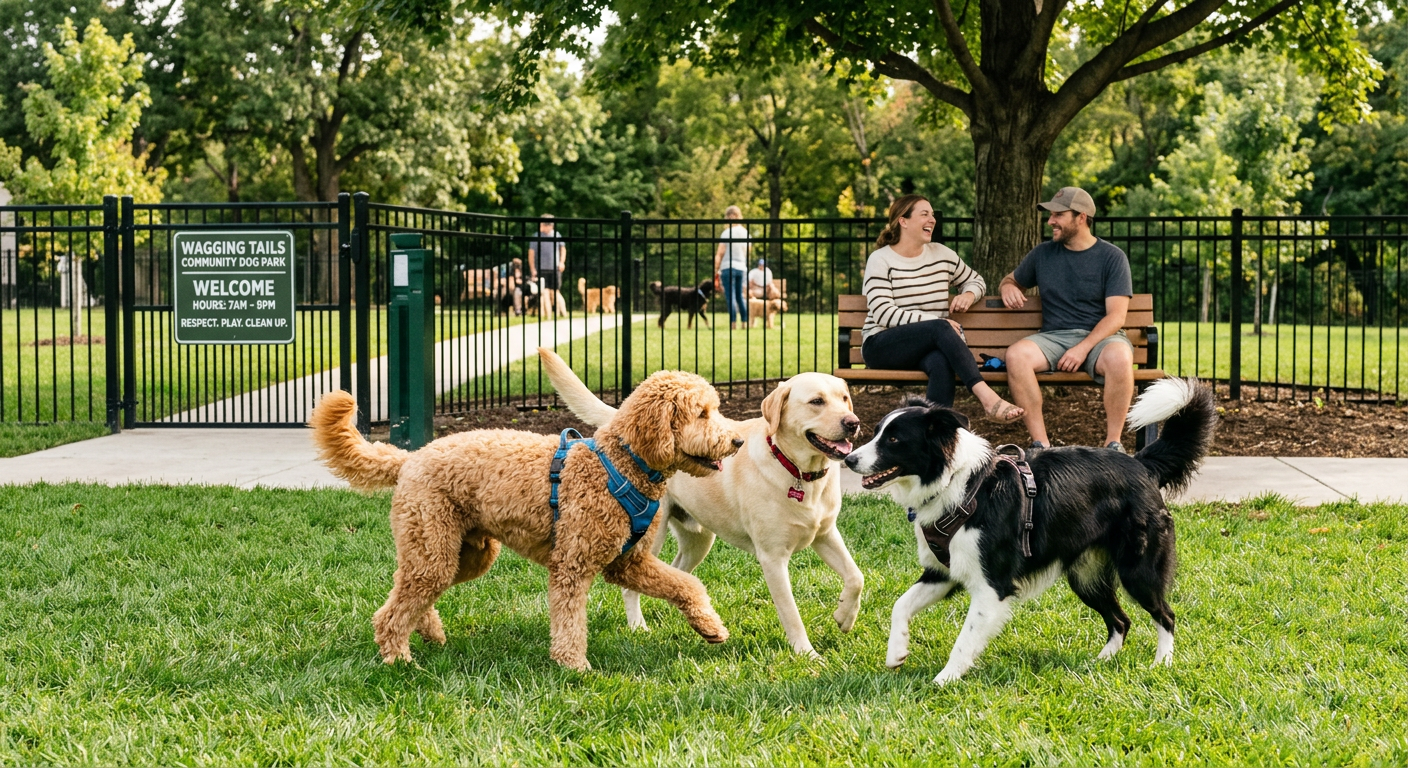
One of the most important things about dog park vaccination requirements that many pet parents miss is the timing. You can't just get your dog vaccinated and head straight to the park. Here's why:
Full immunity takes 7–14 days post-vaccination. That means even after your pup gets their final round of shots, you need to wait at least a week (ideally two) before exposing them to other dogs at a park.
For puppies, the timeline looks something like this:
| Age | Vaccine | Notes |
|---|---|---|
| 6–8 weeks | First DHPP | Start of puppy series |
| 10–12 weeks | Second DHPP + Bordetella | Often combined visit |
| 14–16 weeks | Third DHPP + Rabies | Final core puppy shots |
| 16–18 weeks | Booster if needed | Per AAHA guidelines |
| 18–20 weeks | Safe for dog park! | After 7–14 day immunity window |
So if you're doing the math, most puppies shouldn't visit a dog park until they're around 18–20 weeks old at the earliest. I know that feels like forever in puppy years (trust me, I remember the impatience), but it's absolutely critical for dog park safety.
In the meantime, you can work on socialization in controlled environments. A PetSafe Easy Walk Dog Harness is perfect for those early neighborhood walks where your puppy can start experiencing the world safely on leash.
Dog Park Rules: What to Bring as Proof of Vaccination
Most dog parks in your area will require some form of proof that your dog's vaccines are current. Here's what you might need:
- Vaccination certificate from your vet (sometimes called a health certificate)
- Rabies tag attached to your dog's collar
- Digital records — many vets now offer apps or portals where you can pull up records on your phone
- Annual membership card — some parks verify vaccines at registration and issue a pass
Dog park rules vary by location, but being prepared with documentation is always a good idea. My mom Lacey keeps a photo of my vaccine records on her phone and a copy in the car. She also keeps my rabies tag on my collar at all times — even when I'm rocking my favorite Blueberry Pet Classic Dog Collar. Fashion AND function, baby.
Some parks, especially membership-based facilities, will check your records at sign-up and won't let you through the gate without current documentation. Free public parks may have posted signage about requirements but rely more on the honor system. Either way, please do the right thing and keep your pup's vaccines current. It's one of the most important dog park rules there is.
Beyond Vaccines: Other Health Precautions for Dog Park Safety
Dog park vaccination requirements are the foundation, but they're not the whole picture. Here are some extra steps I recommend for keeping your furry friend safe:
Flea, Tick, and Parasite Prevention
Dog parks are prime territory for fleas, ticks, and intestinal parasites. Make sure your dog is on a regular preventative. I personally get my monthly treatment like clockwork because my mom Lacey doesn't play around with parasites.
Bring Fresh Water
Communal water bowls can be breeding grounds for bacteria and viruses. Bring your own portable water bowl and fresh water to every park visit. The MalsiPree Leak-Proof Dog Water Bottle is fantastic for this — it's easy to carry and my mom Lacey can give me a drink with one hand while holding my leash with the other.
Watch for Symptoms After Visits
Even fully vaccinated dogs can occasionally pick something up. Keep an eye out for:
- Coughing or sneezing
- Lethargy or loss of appetite
- Vomiting or diarrhea
- Excessive scratching
If you notice any of these signs after a dog park visit, contact your vet right away.
Keep Records Updated
Set calendar reminders for booster shots. Many vaccines need annual renewal, and it's easy to let them lapse. Your vet's office may send reminders, but it's always good to track them yourself too.
How to Find Dog Parks Near You With Clear Vaccination Policies
Not all dog parks are created equal. Some have strict entry requirements, professional staff, and regular sanitation protocols. Others are more laid-back but still expect responsible pet ownership. Here's how to find the best options in your area:
- Search doggieparknearme.com — That's my home turf! We help you find dog parks near you with reviews, rules, and all the details you need.
- Call ahead — If it's your first visit, call or check the park's website for their specific dog park vaccination requirements.
- Ask your vet — Your veterinarian likely knows which parks in your area are well-maintained and have good health protocols.
- Join local dog owner groups — Facebook groups and Nextdoor communities are great for getting real feedback on parks near you.
- Look for membership parks — These tend to have stricter vaccination verification and often provide a safer, more controlled environment.
Keep a Mighty Paw Dog Poop Bag Holder clipped to your leash so you're always ready to clean up — it's good etiquette and usually part of every park's posted dog park rules.
State-by-State Differences in Dog Park Vaccination Requirements
Here's something important: dog park vaccination requirements can vary depending on where you live. While rabies is universally mandated, other requirements depend on:
- State and local laws — Some states have stricter vaccination laws than others
- Regional disease risks — Areas with leptospirosis or Lyme disease outbreaks may require additional vaccines
- Park type — Municipal parks, private parks, and apartment complex dog areas may all have different rules
- Climate — Warmer, wetter climates tend to have higher parasite and disease risks
The best approach? Talk to your vet about what's recommended for your specific area and lifestyle. They can tailor a vaccination schedule that meets both legal requirements and practical dog park safety needs.
Keeping the Park Fun and Safe for Everyone
At the end of the day, dog park vaccination requirements aren't about red tape or hassle — they're about love. Love for your dog, love for other people's dogs, and love for the community spaces where we all get to run, play, and make friends.
I've been going to dog parks since I was a fully vaccinated young pup, and every single visit has been made better by the fact that my mom Lacey took the time to do things right. She made sure I had every shot I needed, waited until I had full immunity, and still keeps my records up to date to this day.
You can do the same for your pup. It's one of the most loving things you can do as a pet parent.
Well, friends, that's the scoop on dog park vaccination requirements — straight from this Golden Doodle's mouth (and my mom Lacey's meticulous research folder). Whether you're a brand-new puppy parent or a seasoned dog park veteran, staying on top of your dog's vaccinations is the single most important thing you can do to ensure safe, happy park visits for years to come.
Schedule a vet appointment, get those records updated, and then come find an amazing dog park near you at doggieparknearme.com. I promise you — the zoomies, the sniff circles, and the pure joy of off-leash play are worth every single vet visit. Now if you'll excuse me, I think I hear the jingle of a leash. Park time! 🐾
Tail wags and wet noses, Auggie
Frequently Asked Questions
What vaccines do dogs need to go to a dog park?
Most dog parks require proof of three core vaccinations: rabies, DHPP/DA2PP (distemper, hepatitis/adenovirus, parvovirus, and parainfluenza), and Bordetella (kennel cough). Some parks may also recommend or require canine influenza and leptospirosis vaccines depending on regional disease risks. Always check your specific park's requirements and consult your veterinarian to make sure your dog is fully protected before visiting.
Can unvaccinated dogs go to dog parks?
No — unvaccinated dogs should not go to dog parks. Most parks explicitly require proof of current vaccinations for entry, and bringing an unvaccinated dog puts your pet and every other dog at serious risk for highly contagious diseases like parvovirus, distemper, and kennel cough. Rabies vaccination is also legally required in all 50 states. If your dog isn't up to date on their shots, schedule a vet appointment before visiting any dog park.
Can you take a puppy to the park without shots?
Absolutely not. Puppies are extremely vulnerable to diseases like parvovirus and distemper, which can be fatal. Puppies need to complete their full vaccination series (typically finishing around 16–18 weeks of age) and then wait an additional 7–14 days for full immunity to develop before visiting a dog park. Most veterinarians recommend waiting until a puppy is at least 18–20 weeks old and fully vaccinated before any dog park visits.
What shots does my dog need to be able to go outside?
For general outdoor activities like walks in your neighborhood, your dog should have at least their core vaccines: rabies and DHPP/DA2PP. For high-risk environments like dog parks, daycare, or boarding, Bordetella is also essential. Additional vaccines like canine influenza, leptospirosis, and Lyme disease may be recommended based on your geographic area. Your veterinarian can create a personalized vaccination plan based on your dog's age, health, and lifestyle.
How often do dog park vaccines need to be renewed?
Rabies boosters are typically given every 1–3 years depending on your state's laws and the vaccine type used. DHPP/DA2PP boosters are generally given every 1–3 years for adult dogs. Bordetella is usually required every 6–12 months, especially for dogs who frequently visit dog parks. Canine influenza and leptospirosis vaccines typically require annual boosters. Keep a calendar reminder so you never miss a renewal date.
Do all dog parks check for vaccination records?
Not all parks check equally. Membership-based and privately operated dog parks typically verify vaccination records at sign-up and may require annual updates. Public municipal dog parks often post vaccination requirements on signage but may rely on the honor system. Regardless of enforcement level, responsible pet owners should always ensure their dogs are fully vaccinated before visiting any dog park to protect their own pet and others.
About Auggie
Hi, I'm Auggie! I'm a Golden Doodle who's been to more dog parks than most humans. My mom Lacey and I started Doggie Park Near Me to help every pup find their perfect park. When I'm not sniffing out new spots, you'll find me napping in the sun or begging for treats.
Learn more about us →More From Auggie

Dog Park Near Me: What to Know Before Your First Visit
Everything you need to know before your first dog park visit — from checking if your pup is ready, to what makes a great park, to the etiquette that keeps everyone safe.

Heatstroke at the Dog Park: Signs, Prevention, and First Aid Every Dog Parent Needs
Hey friends, Auggie here! Dog heatstroke is a terrifying emergency that can strike at the dog park faster than you'd imagine. I'm sharing everything I know about recognizing the warning signs, preventing heat emergencies with smart dog park safety tips, and administering life-saving first aid. Let's keep those tails wagging safely all summer long!

Dog Park Injuries: Common Accidents and When to See the Vet
Hey, it's Auggie! Dog park injuries are more common than you'd think — from bite wounds and sprains to hidden infections. I'm breaking down the most common accidents, sharing my personal experiences, and helping you know exactly when to rush to the vet. Let's keep park time safe and fun! 🐾