
Dog Park Injuries: Common Accidents and When to See the Vet
Hey there, friends — it's your pal Auggie, the fluffiest Golden Doodle on the internet! If you know me, you know I absolutely love a good romp at the dog park. The zoomies, the sniffs, the gloriously muddy puddles — it's paradise on four paws. But here's the thing: dog park injuries are more common than most humans realize, and I've personally witnessed some scary moments between the fetch sessions and belly rubs. My mom Lacey and I have learned (sometimes the hard way) that a fun afternoon can turn into an emergency vet visit faster than I can demolish a peanut butter Kong. So today, I'm putting on my serious fur and walking you through the most common dog park accidents, how to prevent them, and exactly when you need to grab your keys and head to the vet. Whether you're a seasoned park regular or a nervous first-timer wondering "are dog parks safe?" — this guide has your tail covered.
Why Dog Park Injuries Are More Common Than You Think
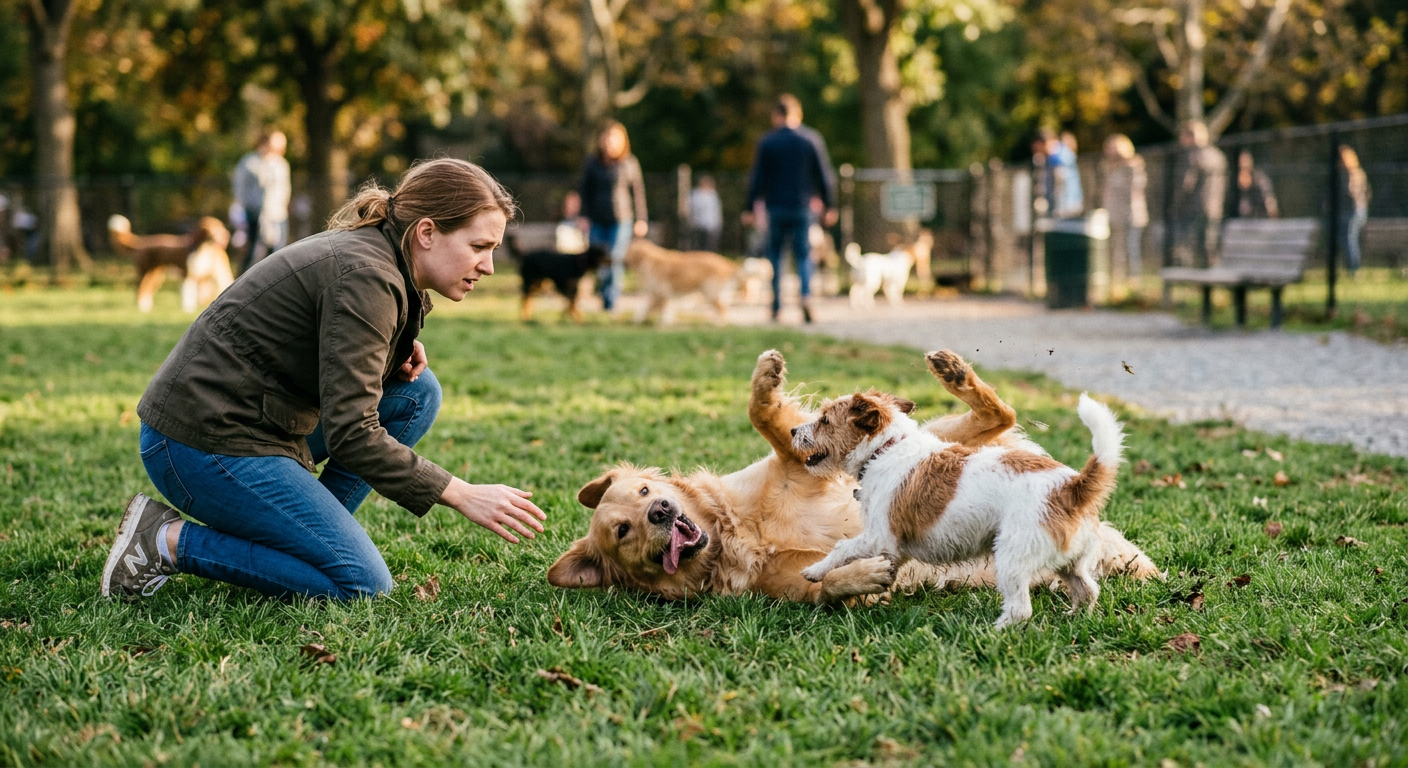
Look, I get it. Dog parks look like pure joy — and honestly, they usually are. But when you pack dozens of dogs of different sizes, temperaments, and energy levels into one fenced area, things can escalate quickly. I've seen a tiny Chihuahua get accidentally steamrolled by a Labrador who was just trying to say hello. I've watched two dogs go from play-bowing to snarling in the blink of an eye.
According to data cited by dvm360, soft tissue injuries and sprains are the most common dog park-related veterinary issue, affecting nearly 24,000 insured dogs annually with an average treatment cost of $225. And that's just the insured pups — the real number is likely much higher.
Dog park injuries range from minor scrapes and limps to serious bite wounds, broken bones, and even life-threatening infections. The key isn't avoiding the park altogether (please don't take away my happy place!) — it's knowing what to watch for, how to prevent the worst-case scenarios, and when a trip to the vet is non-negotiable.
The Most Common Dog Park Injuries Every Owner Should Know
Bite Wounds and Lacerations
This is the big one, friends. Bite wounds and lacerations account for approximately 40% of dog park-related injuries requiring veterinary medical attention, according to Wagbar's veterinary guide. Even dogs who are "friendly" can bite when they're overstimulated, scared, or guarding a resource like a ball or water bowl.
I'll be honest — I got nipped once by a dog who was resource-guarding a tennis ball. It wasn't a deep wound, but my mom Lacey noticed the puncture was deeper than it looked on the surface. That's the tricky thing about bite wounds: the damage underneath the fur is almost always worse than what you see on top. Dog mouths carry bacteria that can cause serious infections if left untreated.
Signs to watch for:
- Puncture wounds (even small ones)
- Swelling or heat around the wound
- Discharge or foul smell developing 24-48 hours later
- Your dog licking or guarding a specific area
Sprains, Strains, and Soft Tissue Injuries
This is the most common category of dog park injuries by sheer volume. All it takes is an awkward landing, a sudden pivot during a chase, or a collision with another dog at full speed. My Doodle legs are long and I am fast, which means I'm especially susceptible to tweaking something during an enthusiastic game of chase.
ACL tears (technically called CCL tears in dogs) are particularly common in active, medium-to-large breeds. These can require surgery costing thousands of dollars and months of recovery. Trust me — my mom Lacey has nightmares about this one.
Signs to watch for:
- Limping or favoring a leg
- Reluctance to put weight on a limb
- Swelling around a joint
- Yelping when moving or being touched
Head Trauma
Head trauma is the most expensive dog park condition to treat, averaging $591 per incident according to data from Nationwide pet insurance cited by dvm360. This happens when dogs collide head-on at full speed, crash into fences or park equipment, or sustain blows during aggressive encounters.
Signs to watch for:
- Disorientation or wobbling
- Unequal pupil sizes
- Vomiting after impact
- Loss of consciousness (even briefly)
Paw Pad Injuries
This one is sneaky and super common. Hot pavement in summer, sharp rocks, broken glass, thorns, and even rough surfaces at the park can shred our sensitive paw pads. I once came home with a sliced pad from stepping on something sharp buried in the grass. My mom didn't notice until she saw little bloody paw prints on the kitchen floor. (Cue the dramatic gasping.)
For protecting those precious paws, I highly recommend Musher's Secret Dog Paw Wax. My mom Lacey applies it before park visits, especially in summer and winter. It creates a breathable barrier that protects against hot surfaces, ice, salt, and rough terrain.
Signs to watch for:
- Limping or lifting a paw
- Visible cuts, tears, or blisters on pads
- Excessive licking of paws
- Blood spots where your dog has been walking
Heat Exhaustion and Dehydration
This isn't technically an "injury," but it sends more dogs to the emergency vet from parks than many humans realize — especially in warmer climates. We dogs don't sweat like you do. We pant. And when we're having the time of our lives chasing our friends, we often don't stop to cool down until it's too late.
Always bring fresh water to the park. I love my RUFFWEAR Trail Runner Collapsible Dog Bowl — it clips right onto my mom's bag so she never forgets it.
Hidden Health Risks: Infections and Disease Transmission
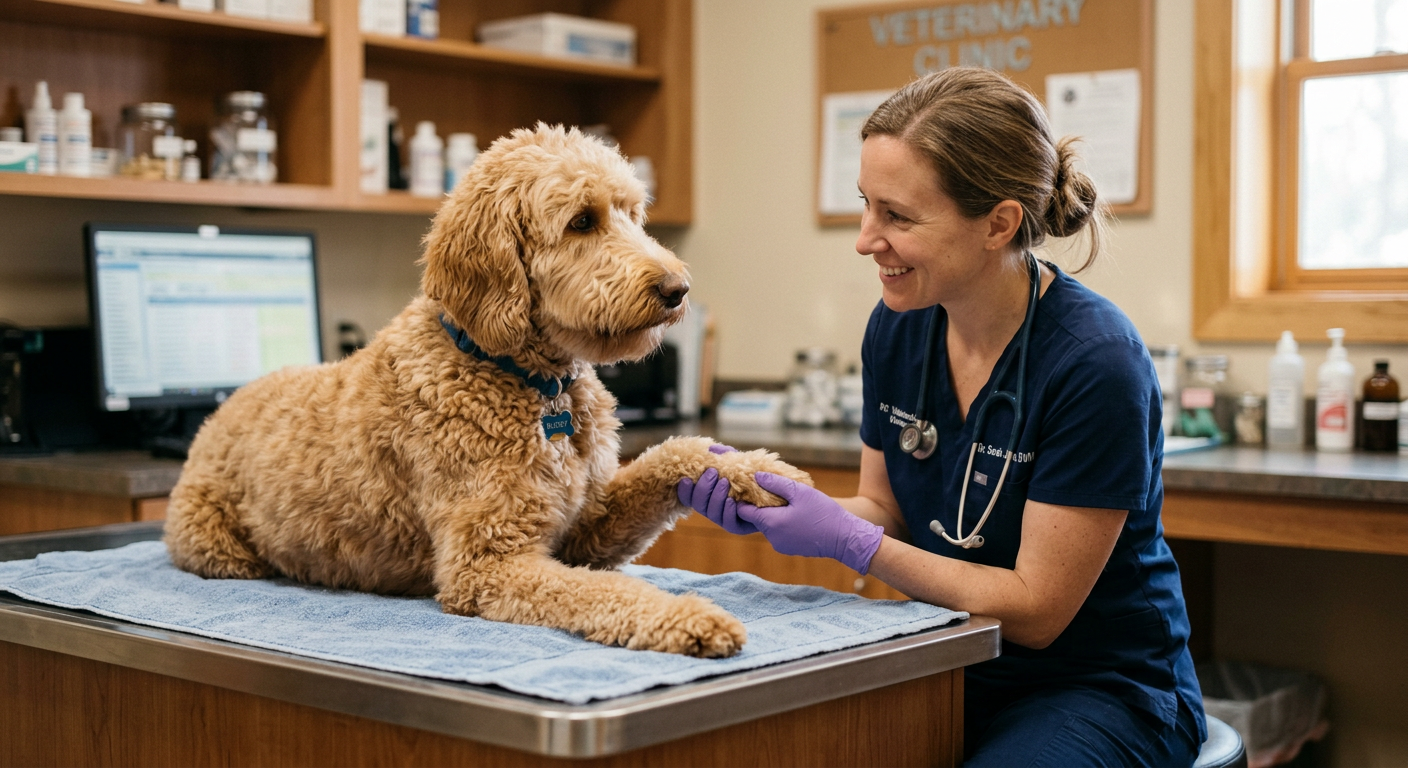
Dog park injuries aren't limited to the physical bumps and bites. Some of the scariest risks are the ones you can't see.
A peer-reviewed study published in the National Center for Biotechnology Information (NCBI/PMC) found that 33% of dog stool samples from urban dog parks contained ExPEC bacteria — the kind that causes urinary tract infections. Even more alarming, 50% of those isolates were multi-drug resistant. That means antibiotics that normally work might not be effective.
Another study from NCBI/PMC reviewed the public health risks of off-leash dog parks and noted that undisposed dog feces can cause slips, falls, and zoonotic disease transmission — meaning these pathogens can spread from dogs to humans too.
Common infectious risks at dog parks include:
- Canine parvovirus (especially dangerous for puppies and unvaccinated dogs)
- Kennel cough (Bordetella)
- Leptospirosis (spread through contaminated water)
- Intestinal parasites like giardia, hookworms, and roundworms
- Canine influenza
This is why my mom Lacey is militant about keeping my vaccinations current and why she always checks the park for excessive waste before letting me off-leash. If the park looks poorly maintained — we leave. Period.
For post-park cleanup, I recommend Vetnique Labs Furbliss Pet Wipes. My mom gives me a quick wipe-down after every park visit — paws, belly, and face. It's a simple step that helps reduce the germs I track home.
Dog Park Safety Tips to Prevent Injuries
Alright, now let's talk about how to actually keep your pup safe. Dog park safety isn't rocket science, but it does require being an engaged, attentive human. (Looking at you, phone-scrolling park parents.)
Before You Go
- Make sure vaccinations are current. No exceptions. This protects your dog and every other dog at the park.
- Know your dog's temperament. Not every dog is a dog park dog, and that's okay. If your pup is fearful, reactive, or a resource guarder, consider alternatives like private playdates.
- Check the park conditions. Look for excessive waste, standing water, broken fences, and overcrowding before entering.
- Bring water and a first aid kit. My mom never leaves without her RC Pet Products Pet First Aid Kit. It has gauze, antiseptic wipes, tweezers, and all the basics for handling minor dog park injuries on the spot.
While You're There
- Watch your dog the ENTIRE time. This is not the time to catch up on emails. My mom Lacey follows me around the park and watches my body language like a hawk.
- Learn canine body language. A wagging tail doesn't always mean happy. Stiff posture, whale eyes (showing the whites), raised hackles, and hard stares are all warning signs.
- Intervene early. If play is getting too rough or one dog is clearly uncomfortable, separate them before it escalates.
- Use appropriate size areas. Most parks near you have separate sections for small and large dogs. Use them. A 15-pound dog playing with an 80-pound dog is a recipe for accidental injury.
- Avoid peak hours if your dog is anxious. Early mornings and weekday afternoons tend to be quieter.
- Remove toys and high-value items that could trigger resource guarding.
After the Visit
- Do a full body check. Run your hands over your dog's entire body feeling for bumps, cuts, swelling, or tender spots.
- Check paws carefully. Between the toes, the pads, and the nails.
- Watch for delayed symptoms. Some injuries — especially soft tissue damage and infections — don't show up until hours or even days later.
- Clean up. Wipe down your dog and wash your hands thoroughly.
When to Rush to the Vet: Dog Park Injury Warning Signs
This is the section I really want you to pay attention to, friends. Knowing when dog park injuries require professional veterinary care can literally save your dog's life.
Go to the Vet Immediately If:
- Any bite wound that punctures the skin. Even small punctures can abscess and become life-threatening. Always get bite wounds checked.
- Bleeding that won't stop with gentle pressure after 5-10 minutes.
- Difficulty breathing or signs of chest trauma after a fight or collision.
- Suspected broken bones — visible deformity, inability to bear weight, severe swelling.
- Head trauma symptoms — disorientation, vomiting, unequal pupils, seizures.
- Signs of heat stroke — excessive panting, drooling, bright red gums, collapse, or body temperature above 104°F.
- Eye injuries — squinting, pawing at the eye, visible scratches, or discharge.
- Sudden lethargy or collapse after play.
Schedule a Vet Visit Within 24 Hours If:
- Persistent limping that doesn't improve with rest
- Minor wounds that look inflamed or are oozing
- Vomiting or diarrhea that develops after the park visit
- Your dog is unusually subdued or not eating
- Swelling that develops or worsens overnight
Texas A&M University College of Veterinary Medicine emphasizes taking precautions at dog parks similar to those for children's playgrounds — supervision, awareness, and a quick response when things go wrong.
My Mom's Vet Visit Rule
My mom Lacey has a simple rule: "When in doubt, go." She'd rather pay for an unnecessary vet visit and get peace of mind than wait too long and face a bigger problem. I appreciate that about her (even though I'm not a huge fan of the vet's waiting room).
For peace of mind between vet visits, a Pet Insurance Plan from Lemonade or similar provider can help offset the cost of unexpected dog park injuries. My mom always says the best time to get pet insurance is before you need it.
Are Dog Parks Worth the Risk?
After reading all of this, you might be wondering: are dog parks safe at all? Should I even bother?
Here's my honest, four-legged opinion: yes, but with conditions.
Dog parks provide incredible benefits — socialization, exercise, mental stimulation, and pure joy. I am genuinely a happier, more well-adjusted dog because of regular park visits. But those benefits only outweigh the risks when humans do their part.
Dog park safety comes down to:
- Knowing your individual dog
- Choosing well-maintained parks in your area
- Staying vigilant and engaged during every visit
- Having an emergency plan and first aid supplies ready
- Keeping vaccinations and preventive care up to date
If you're searching for safe, well-reviewed dog parks near you, check out our park finder right here on doggieparknearme.com. We've got listings, reviews, and tips for parks across the country so you can find the best spot for your pup.
The dogs who get hurt most often at parks are typically the ones whose owners weren't paying attention. Be the human who's watching. Be the human who intervenes. Be the human who knows when to leave. Your dog is counting on you.
Well, friends, we've covered a lot of ground today — almost as much ground as I cover during my zoomies! Dog park injuries are a real risk, but they don't have to keep you and your pup from enjoying everything the park has to offer. Stay alert, know the warning signs, pack your first aid kit, and never hesitate to call your vet when something feels off. My mom Lacey always says the best dog park visit is the one where the only thing your dog brings home is tired legs and a happy heart. I couldn't agree more.
If this guide helped you feel more prepared, share it with your dog park crew — because every pup deserves a safe, fun day at the park. And don't forget to explore doggieparknearme.com to find the best-rated dog parks near you. Now if you'll excuse me, I have a nap to take. All this writing is exhausting when you don't have thumbs. 🐾
Wags and woofs, Auggie
Frequently Asked Questions
How safe are dog parks for dogs?
Dog parks can be safe when proper precautions are taken, but they do carry real risks. Bite wounds account for approximately 40% of injuries requiring veterinary attention, and soft tissue injuries affect nearly 24,000 insured dogs annually. The key is choosing well-maintained parks, ensuring your dog is vaccinated and properly socialized, supervising closely during every visit, and knowing your individual dog's temperament. Parks with separate areas for small and large dogs, clean conditions, and engaged owners tend to be the safest. If your dog is fearful, reactive, or not well-socialized, private playdates may be a better alternative.
What is the 90 10 rule for dogs?
The 90/10 rule for dogs is a nutrition guideline that states 90% of your dog's daily caloric intake should come from a complete, balanced dog food, while only 10% should come from treats, snacks, or table scraps. This rule helps prevent obesity, nutritional imbalances, and digestive upset. It's especially important for active dogs who visit the park regularly, as many owners unknowingly over-treat during training or play sessions. Sticking to this ratio ensures your dog gets all the essential nutrients they need while still enjoying the occasional reward.
What is the silent killer in dogs?
The 'silent killer' in dogs most commonly refers to hemangiosarcoma, an aggressive cancer of the blood vessels that often develops in the spleen, heart, or liver with few to no visible symptoms until it ruptures and causes internal bleeding. It can also refer to conditions like heartworm disease or bloat (gastric dilatation-volvulus), which can progress rapidly without obvious early warning signs. Regular veterinary checkups, preventive heartworm medication, and knowing the subtle signs of illness — such as unexplained lethargy, pale gums, or a distended abdomen — are critical for early detection.
Do veterinarians recommend dog parks?
Veterinarian opinions on dog parks are mixed. Many vets acknowledge the benefits of socialization and exercise but express concern about injury risks, disease transmission, and behavioral issues. Texas A&M University College of Veterinary Medicine recommends treating dog parks with the same caution as children's playgrounds — supervision is essential. Most vets agree that dog parks can be appropriate for well-vaccinated, well-socialized, healthy adult dogs when owners remain vigilant. They generally advise against bringing puppies under 4 months (before full vaccination), immunocompromised dogs, or dogs with aggressive or fearful tendencies.
What should I do if my dog gets bitten at the dog park?
If your dog gets bitten, stay calm and separate the dogs safely (never put your hands near their mouths). Apply gentle pressure to any bleeding wound with a clean cloth. Even if the wound looks minor, take your dog to the vet — bite wounds often cause deeper tissue damage than what's visible on the surface, and bacteria from dog mouths can cause serious infections. Document the incident, exchange information with the other dog's owner, and report the bite to park authorities. Watch for signs of infection over the following days, including swelling, discharge, heat, or fever.
How can I tell if my dog's injury from the park is serious?
Signs that a dog park injury is serious and requires immediate veterinary attention include: bleeding that doesn't stop within 5-10 minutes, visible bone or deep tissue, difficulty breathing, inability to bear weight on a limb, disorientation or vomiting after a head impact, signs of heat stroke (excessive panting, bright red gums, collapse), and any eye injury. If your dog becomes suddenly lethargic, refuses food, or shows behavioral changes after a park visit, schedule a vet visit within 24 hours. When in doubt, always err on the side of caution and call your veterinarian.
About Auggie
Hi, I'm Auggie! I'm a Golden Doodle who's been to more dog parks than most humans. My mom Lacey and I started Doggie Park Near Me to help every pup find their perfect park. When I'm not sniffing out new spots, you'll find me napping in the sun or begging for treats.
Learn more about us →More From Auggie
Dog Park Near Me: What to Know Before Your First Visit
Everything you need to know before your first dog park visit — from checking if your pup is ready, to what makes a great park, to the etiquette that keeps everyone safe.

Vaccination Requirements for Dog Parks: What's Required in 2025?
Wondering about dog park vaccination requirements before your first visit? It's me, Auggie the Golden Doodle, breaking down every vaccine your pup needs — from rabies and DHPP to Bordetella — plus timelines, tips, and what to bring as proof. Let's keep park time safe and fun!

Heatstroke at the Dog Park: Signs, Prevention, and First Aid Every Dog Parent Needs
Hey friends, Auggie here! Dog heatstroke is a terrifying emergency that can strike at the dog park faster than you'd imagine. I'm sharing everything I know about recognizing the warning signs, preventing heat emergencies with smart dog park safety tips, and administering life-saving first aid. Let's keep those tails wagging safely all summer long!