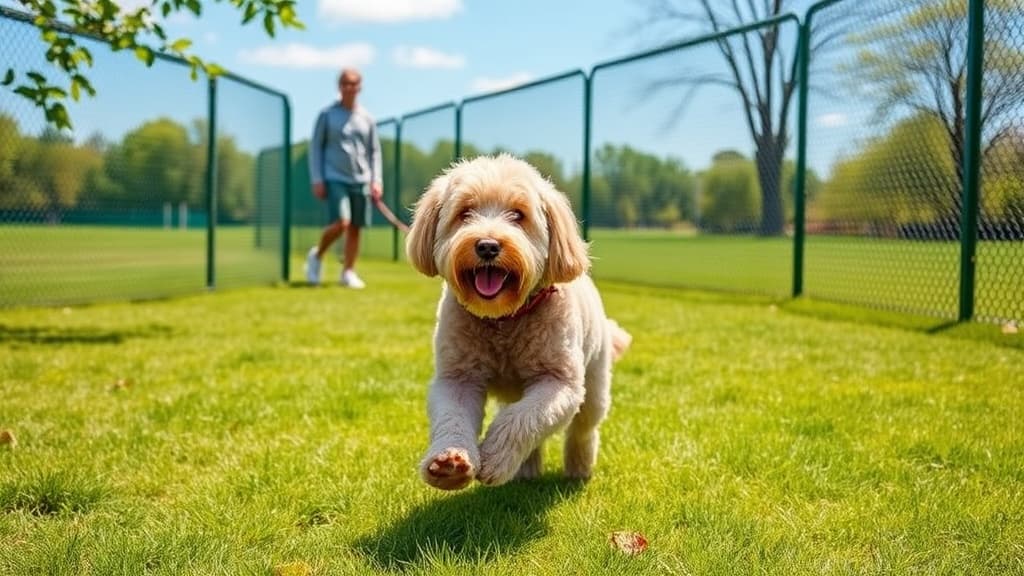
Dog Park Near Me: What to Know Before Your First Visit
When Lacey first typed "dog park near me" into her phone, she was looking for somewhere to let me run. I was looking for the whole park.
There are more than 6,393 dog parks across all 50 states in the U.S. — and trust me, not all of them are created equal. Finding the closest one is easy. Walking in prepared? That takes a little more homework.
Lacey and I have visited a lot of parks together, and the ones we keep coming back to share the same things: good fencing, attentive owners, clean water, and a general vibe that says everyone here is paying attention. This guide is everything we wish we'd known before that first visit — how to tell if your dog is ready, what makes a park worth returning to, the etiquette rules that keep everyone safe, and what to throw in the bag. Consider it your pre-park checklist.
Is Your Dog Ready for the Dog Park?
Not every dog is a dog park dog — and that's completely fine. Off-leash parks are high-stimulation environments where dogs of different sizes, temperaments, and training levels mix freely. Before you go, be honest about where your pup is at.
Age and Vaccination Requirements
Most dog parks require dogs to be fully vaccinated before they're allowed inside. At a minimum, you'll need current shots for rabies, DHPP (distemper, parvovirus, hepatitis, and parainfluenza), and bordetella (kennel cough). Many parks also recommend leptospirosis coverage, especially if there's water access on site.
Puppies under four months old should stay home. Their immune systems aren't mature enough to handle the exposure risk, and their recall training isn't there yet either. Wait until your vet gives the all-clear — the park will still be there.
Temperament and Socialization
Has your dog spent time around other dogs before — at training classes, on neighborhood walks, during playdates? If yes, they likely have the social fluency to navigate a park. If your dog has shown signs of fear, reactivity, or aggression around other dogs, a crowded off-leash park isn't the right starting point. Work with a trainer first.
Recall: The Non-Negotiable
Your dog doesn't need to be perfectly obedient, but they must come when you call them. Not sometimes. Every time. If recall isn't reliable in low-distraction settings — your yard, a quiet trail — it won't hold up in a dog park. Practice first, park second.
What Makes a Dog Park Near Me Worth Going Back To
Once you know your dog is ready, the next question is whether the park is. A quick solo visit before you bring your dog can save you a lot of headaches. Here's what Lacey and I look for.
Double-Gated Entry
This is the single most important safety feature. A properly built dog park uses an airlock system: a small enclosed entry area between two gates. You enter the first gate, close it completely, then open the second gate into the main park. This prevents dogs from bolting out when you walk in. If a park only has one gate, that's a real risk — especially for fast or escape-prone dogs.
Separate Sections for Large and Small Dogs
The best parks have dedicated areas for dogs under roughly 25 pounds. Big dogs aren't necessarily dangerous to small ones, but size mismatches create accidental injury risk even during normal play. Separate sections let dogs play at their own energy level without intimidation.
Water Access, Shade, and Drainage
Dogs overheat quickly during play. A park without accessible water and shaded rest areas isn't safe in warm weather. Good drainage matters too — a muddy, puddled surface after rain isn't just unpleasant, it's a bacterial risk. Look for parks with fountains or water stations, natural or man-made shade, and surfaces that dry out reasonably fast.
Active Ownership Culture
A park is only as good as the people who use it. When you scout ahead, watch how owners behave. Are they watching their dogs, or scrolling their phones? Do they clean up after themselves? Do they step in when play gets rough? A park with attentive, engaged owners runs better than one with flashy equipment and distracted visitors. Lacey has walked us out of more than one park that looked great on paper.
Dog Park Etiquette: The Rules That Actually Matter
There's no official rulebook for dog park behavior, but there are widely accepted standards that keep everyone safe. Ignore them and you become that owner.
Use the Double Gate Correctly
Enter. Close the first gate behind you completely. Then open the second. This isn't optional — it's how you keep other dogs inside when yours walks in.
Remove the Leash Before Entering the Main Area
Counterintuitive, but true: a leashed dog among off-leash dogs is a tension magnet. Leashed dogs can't communicate or move naturally, which frustrates off-leash dogs and creates the conditions for snapping and lunging. According to Best Friends Animal Society, dogs should be unclipped before entering the main area — not after.
Leave Toys and Treats at Home
Both cause resource guarding. One dog's favorite ball becomes every dog's ball the moment it hits the ground. Treats draw a crowd fast and can spark conflict over a perceived limited resource. Water is fine — and essential — but save the snacks for the drive home.
Put the Phone Down
Dog parks require active supervision. You should be able to call your dog off at any moment and know exactly what they're doing. The Animal Humane Society is direct about this: owners who aren't watching their dogs create the conditions for most dog park problems. Lacey has a rule: phone goes in the bag when we walk through the gate.
Know the Difference Between Play and Conflict
Good play is bouncy, reciprocal, and takes turns. Dogs chase and get chased. They bow, pause, and restart. Conflict looks different: stiff body posture, fixed staring, hackles up, or one dog relentlessly pursuing another who keeps trying to disengage. If you see the second scenario, calmly get your dog and redirect — don't wait to see if it "works itself out."
Handle Confrontations Without Escalating
If two dogs get into it, resist the urge to grab a collar — bites during breakups are common. Instead, make a loud noise, use a blast of water if available, or calmly step between the dogs. Once separated, leave for the day. A dog that's had one intense confrontation is already overstimulated.
What to Bring to the Dog Park
Pack light, but don't skip these:
- Water and a collapsible bowl — especially in summer, especially for high-energy dogs
- Waste bags — more than you think you'll need
- A microfiber towel — for muddy paws and wet fur on the way home
- Your dog's vaccination records — some parks request these on first visits
- A leash — you'll need it going in, going out, and in an emergency
- Current ID tags on your dog's collar — always, but especially at unfamiliar parks
Leave behind: toys that can trigger guarding, food treats, and any dog who isn't ready yet.
How to Find the Best Dog Parks Near Me
The fastest way to find a well-equipped off-leash park in your area is to search a dedicated directory. Doggie Park Near Me lists parks across every state, with details on amenities like fencing type, water access, separate small-dog areas, and whether the park is fully off-leash.
You can browse by state — from Texas's parks to California's — and compare options before committing to a drive. Each listing includes location details and park features so you know what you're walking into before you arrive.
If you're new to an area, check a few options rather than defaulting to the closest one. A slightly farther park with better fencing, cleaner facilities, and a calmer regular crowd is usually worth the extra minutes. Lacey has driven past a closer park more than once because the one two exits down is just better.
Your First Visit: How to Make It Count
Even with preparation, first visits can go sideways. Here's how to stack the odds in your favor.
Scout the park without your dog first. Go once to observe. Note the layout, watch the regulars, and check the peak hours. Most parks are busiest on weekday evenings and weekend mornings — if your dog is new to this, aim for a quieter slot.
Keep the first visit short. Thirty minutes is enough. Dogs — especially younger ones — can hit sensory overload without obvious signs. Ending on a high note before exhaustion sets in builds positive associations for the next visit.
Read your dog, not just the room. Signs of stress include repeated yawning, lip-licking, a tucked tail, whale eye (whites of the eyes showing), or your dog trying to stay glued to your side and avoid interaction. If you see these, it's time to leave — not push through.
Build gradually. Two or three short visits over a couple of weeks is a stronger introduction than one overwhelming session. Once your dog arrives relaxed and eager to run in, you can extend the time.
The Right Park Makes All the Difference
The best dog parks don't just tire your dog out — they make both of you want to come back. A well-maintained park with attentive owners, proper safety infrastructure, and the right energy for your dog is worth seeking out, even if it means skipping the nearest option.
Start by exploring the parks in your area to find options within driving distance. Compare the amenities, look for the features that match your dog's size and play style, and plan that first scout visit.
Once you've found a good one, the routine builds itself: arrive, unclip, watch us run. That's what this is all about.
Looking for more tips? Visit Auggie's Blog for guides on finding and making the most of every park visit.
Sources
Frequently Asked Questions
How do I find a good dog park near me?
Use a dedicated directory like Doggie Park Near Me to search by location and filter by amenities like fencing, water access, and separate small-dog areas. Scout the park in person before bringing your dog to check the layout, ownership culture, and peak hours.
What vaccinations does my dog need for the dog park?
At minimum, your dog needs current rabies, DHPP (distemper, parvovirus, hepatitis, parainfluenza), and bordetella (kennel cough) vaccinations. Many parks also recommend leptospirosis coverage, especially if there is water access. Puppies under four months should not visit dog parks.
What should I bring to the dog park?
Bring water and a collapsible bowl, waste bags, a microfiber towel, your dog's vaccination records, a leash, and make sure your dog has current ID tags. Leave toys and treats at home as they can cause resource guarding.
What is proper dog park etiquette?
Use the double gate correctly, remove your dog's leash before entering the main area, leave toys and treats at home, actively supervise your dog instead of using your phone, and learn to tell the difference between play and conflict so you can intervene early.
About Auggie
Hi, I'm Auggie! I'm a Golden Doodle who's been to more dog parks than most humans. My mom Lacey and I started Doggie Park Near Me to help every pup find their perfect park. When I'm not sniffing out new spots, you'll find me napping in the sun or begging for treats.
Learn more about us →More From Auggie

Vaccination Requirements for Dog Parks: What's Required in 2025?
Wondering about dog park vaccination requirements before your first visit? It's me, Auggie the Golden Doodle, breaking down every vaccine your pup needs — from rabies and DHPP to Bordetella — plus timelines, tips, and what to bring as proof. Let's keep park time safe and fun!

Heatstroke at the Dog Park: Signs, Prevention, and First Aid Every Dog Parent Needs
Hey friends, Auggie here! Dog heatstroke is a terrifying emergency that can strike at the dog park faster than you'd imagine. I'm sharing everything I know about recognizing the warning signs, preventing heat emergencies with smart dog park safety tips, and administering life-saving first aid. Let's keep those tails wagging safely all summer long!

Dog Park Injuries: Common Accidents and When to See the Vet
Hey, it's Auggie! Dog park injuries are more common than you'd think — from bite wounds and sprains to hidden infections. I'm breaking down the most common accidents, sharing my personal experiences, and helping you know exactly when to rush to the vet. Let's keep park time safe and fun! 🐾