
Diseases Your Dog Can Catch at the Dog Park (And How to Prevent Them)
Woof, friends! It's me, Auggie — your favorite curly-haired Golden Doodle and self-appointed dog park correspondent. Now, I absolutely love a good romp at the park. The zoomies, the butt sniffs, the glorious mud puddles — chef's kiss. But here's the thing: dog park diseases are real, and they're more common than you might think. My mom Lacey learned this the hard way when a pup friend of mine came down with a nasty bout of Giardia after a sunny Saturday at our local off-leash area. It was scary, messy, and totally preventable. So today, I'm putting on my serious face (yes, I have one beneath all this floof) to talk about the illnesses lurking at dog parks near you, backed by real veterinary research. Because understanding these risks doesn't mean we stop going — it means we go smarter. Let's dig in, shall we? Pun absolutely intended.
Why Dog Park Diseases Are More Common Than You Think
Look, I get it. When you pull into the dog park parking lot and your pup is doing the happy spin-in-circles dance, the last thing on your mind is microscopic pathogens. But the numbers are genuinely startling.
According to research highlighted by the American Veterinary Medical Association (AVMA), hookworms, whipworms, and Giardia are the most common parasites found in dogs frequenting dog parks. And a study reported by Today's Veterinary Nurse found that 80–90% of U.S. dog parks tested positive for parasites in stool samples — with the highest prevalence in the South.
Let that sink in for a moment. Nearly nine out of ten dog parks have parasites waiting in the grass, the dirt, or around shared water bowls. And since most parks don't require health screenings or proof of vaccination, there's essentially no bouncer at the door checking who's carrying what.
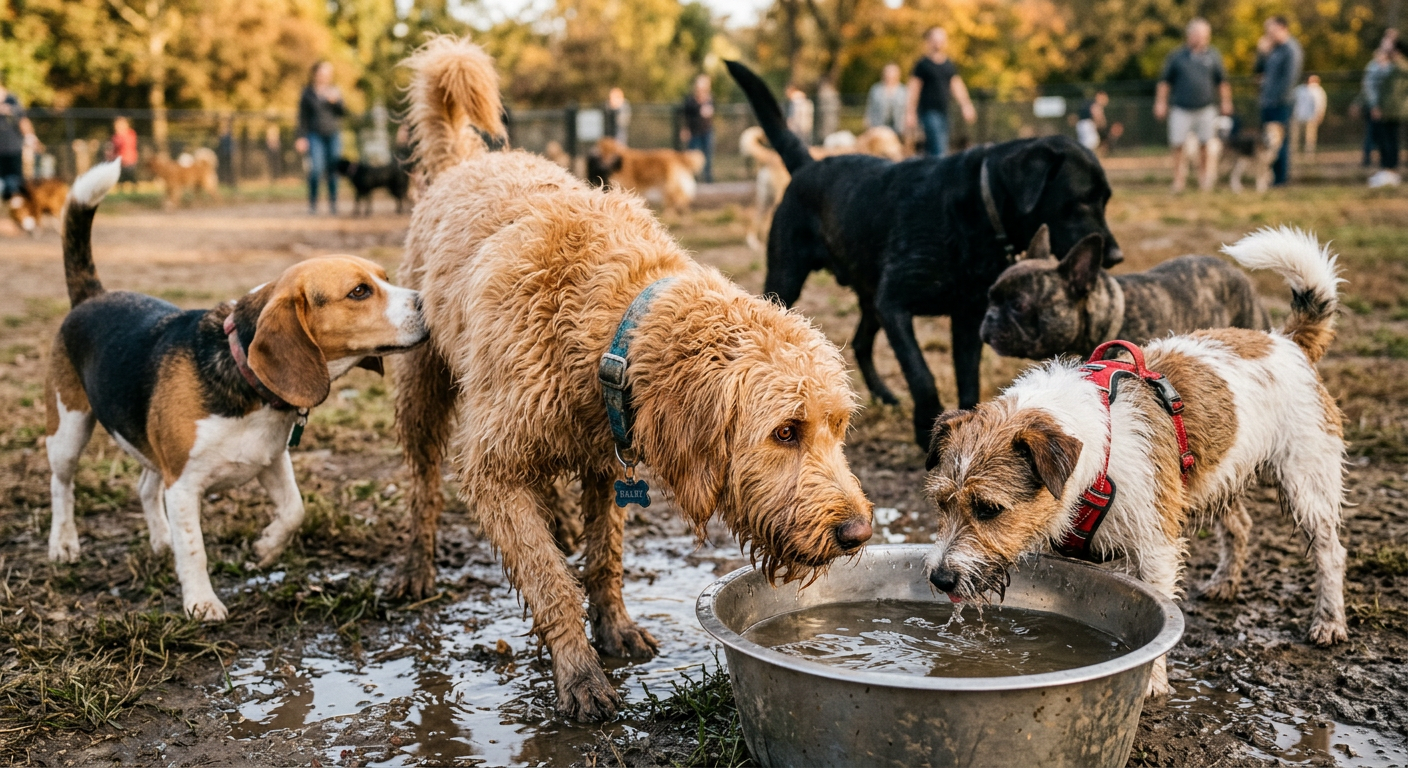
Dog park diseases spread so easily because of the nature of the environment: lots of dogs sharing a confined space, sniffing each other's... well, everything, drinking from communal water sources, and stepping through areas contaminated with fecal matter. Even if a park looks clean, many pathogens are invisible to the naked eye and can survive in soil for months or even years.
The Most Common Dog Park Diseases and Infections
Alright, let me break down the biggest offenders. These are the dog park diseases that veterinarians see most often, and the ones my mom Lacey and I take seriously every time we head out for off-leash fun.
Canine Parvovirus (Parvo)
This is the big, scary one — and for good reason. Parvo is a highly contagious viral illness that attacks a dog's gastrointestinal tract and, in puppies, can also damage the heart. It spreads through direct contact with an infected dog or through contaminated feces, soil, or even surfaces like shoes and clothing.
The BC SPCA warns that parvovirus is potentially fatal and is primarily spread via feces in dog park environments. The virus is incredibly resilient — it can survive in the environment for months, even through freezing temperatures.
Puppies and unvaccinated dogs are at the highest risk. If your young pup hasn't completed their full vaccination series, please keep them away from dog parks. I know it's hard to resist those puppy-dog eyes begging for socialization, but trust me — parvo is not worth the gamble.
Kennel Cough (Canine Infectious Tracheobronchitis)
If you've ever heard a dog that sounds like a honking goose, you've probably witnessed kennel cough. It's caused by a combination of bacteria (most commonly Bordetella bronchiseptica) and viruses, and it spreads like wildfire in places where dogs congregate — kennels, daycares, and yes, dog parks.
Kennel cough is airborne, which means your dog doesn't even need to touch another pup to catch it. A nearby sneeze or cough from an infected dog at the park can be enough. Most cases are mild and resolve on their own, but in puppies, senior dogs, or immunocompromised pups, it can progress to pneumonia.
My mom Lacey always makes sure my Bordetella vaccine is current, especially during the warmer months when our local parks are packed. It's a simple step that makes a big difference in dog park safety.
Giardia
Oh, Giardia. My nemesis. This protozoan parasite lives in contaminated water and soil, and it causes some truly unpleasant digestive symptoms — watery diarrhea, vomiting, and weight loss. It's one of the most common dog park diseases because it thrives in moist environments, including those awesome splash pads and puddles that dogs (myself included) love to play in.
Giardia cysts are shed in the feces of infected dogs and can survive in cool, moist environments for weeks. One infected dog doing their business near a water feature, and suddenly every pup who takes a drink is at risk.
Leptospirosis
This bacterial infection is transmitted through the urine of infected animals — including wildlife like raccoons, rats, and squirrels that often share dog park spaces. Dogs can contract leptospirosis by drinking or wading through contaminated water, or through contact with contaminated soil.
Lepto is particularly dangerous because it's zoonotic, meaning it can spread from dogs to humans. It attacks the liver and kidneys and can be fatal if not treated promptly. Many dog parks near wooded areas or with standing water are especially high-risk.
Intestinal Parasites: Hookworms, Whipworms, and Roundworms
These are the silent troublemakers. According to the MSPCA-Angell, an estimated 20–40% of pet dogs visiting dog parks carry intestinal parasites, many of which are zoonotic and transmissible to humans.
Hookworm larvae can actually penetrate the skin — so your dog can pick them up simply by walking on contaminated ground. Whipworm eggs can survive in soil for years, and roundworms are among the most common parasites in dogs worldwide. Regular fecal testing and deworming are absolutely essential for any dog that frequents off-leash areas.
Canine Influenza (Dog Flu)
Just like humans have flu season, dogs have their own version. Canine influenza (H3N2 and H3N8 strains) is highly contagious and spreads through respiratory droplets, contaminated objects, and direct contact. Dog parks, with their close-quarters socializing, are prime transmission zones.
Symptoms include coughing, runny nose, fever, and lethargy. Most dogs recover, but some develop secondary infections that require veterinary intervention.
Hidden Risks: Antibiotic-Resistant Bacteria at Dog Parks
Here's something that even surprised my mom Lacey. A peer-reviewed study published in PubMed Central (NCBI) found that 33% of dog stool samples from urban dog parks in Washington, D.C. contained Extraintestinal pathogenic E. coli (ExPEC) — and half of those isolates were multi-drug resistant.
Even more concerning? The researchers found ExPEC on 9% of visitor shoe swabs, meaning these bacteria were literally being tracked home on people's shoes. This highlights a dimension of dog park diseases that many pet parents overlook: the risk isn't just to your dog. These resistant bacteria can enter your household and potentially affect human family members, especially children, the elderly, and immunocompromised individuals.
This is exactly why I recommend having a solid post-park cleanup routine — which brings me to my next section.
How to Prevent Dog Park Diseases: Auggie's Top Tips
Okay, so now that I've probably scared the kibble out of you, let's talk solutions. Because the question isn't "are dog parks safe?" — it's "how do we make them safe?" Here's what my mom Lacey and I do every single time:
1. Stay Current on Vaccinations
This is non-negotiable. Core vaccines (rabies, distemper, parvo, adenovirus) plus lifestyle vaccines like Bordetella, leptospirosis, and canine influenza are your first line of defense against dog park diseases. Talk to your vet about which vaccines make sense based on the parks in your area.
2. Keep Up with Parasite Prevention
Year-round parasite prevention is essential for park-going dogs. My mom keeps me on a monthly preventative that covers heartworm, hookworms, roundworms, and whipworms. I'm a big fan of the Simparica Trio Chewable Tablets — they're tasty (yes, I have opinions about flavor) and they protect against fleas, ticks, heartworm, roundworms, and hookworms all in one.
3. Bring Your Own Water
Communal water bowls at dog parks are basically petri dishes. Giardia, leptospirosis, and other pathogens love standing water. We always bring the RUFFWEAR Trail Runner Collapsible Dog Bowl and a bottle of fresh water from home. It collapses flat, clips to my mom's bag, and keeps me hydrated without the risk.
4. Pick Up After Your Dog Immediately
I know, I know — you've heard this a thousand times. But considering that fecal matter is the primary transmission route for most dog park diseases, picking up poop immediately is one of the most impactful things any dog parent can do. We use the Earth Rated Dog Poop Bags — they're thick, leak-proof, and lavender-scented (my mom appreciates that last part).
5. Do a Post-Park Cleanup
After every visit, my mom wipes down my paws and belly with the Vetnique Labs Furbliss Pet Wipes. This removes potential contaminants before they enter our home — remember those E. coli shoe swab results? Same principle applies to my fuzzy feet. A quick wipe-down takes two minutes and dramatically reduces the risk of bringing pathogens indoors.
6. Know the Signs and Act Fast
Familiarize yourself with symptoms of common dog park diseases: lethargy, vomiting, diarrhea, coughing, loss of appetite, or nasal discharge. If your pup shows any of these signs within a few days of a park visit, contact your veterinarian immediately. Early intervention can be the difference between a minor illness and a life-threatening emergency.
7. Scope Out the Park First
Before you unleash your pup, do a quick scan. Is there a lot of uncollected poop? Standing water? Dogs that look sick or lethargic? Are the trash cans overflowing? These are red flags. The best parks in your area will have attentive visitors, clean grounds, and separate areas for small and large dogs.
8. Annual Fecal Testing
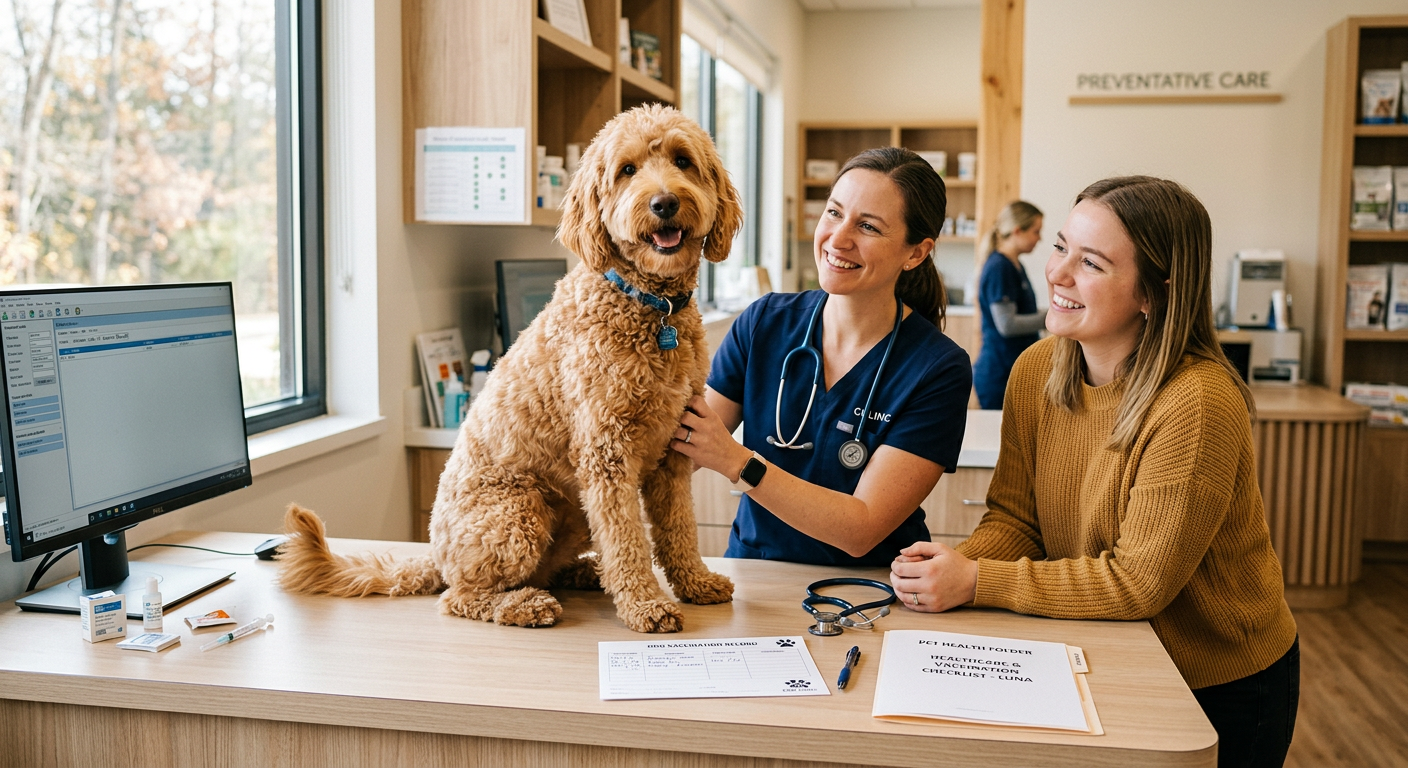
Even if your dog seems perfectly healthy, ask your vet for a fecal test at least once or twice a year — more often if you're frequent park visitors. Many parasites can be present without obvious symptoms, and catching them early prevents spread to other dogs and potentially to humans in your household.
Are Dog Parks Safe? The Honest Answer
So, are dog parks safe? Here's my honest, tail-wagging take: yes, but only if you're proactive about prevention.
Dog parks provide incredible benefits — socialization, exercise, mental stimulation, and pure, unbridled joy. I've made some of my best friends at the park, and the zoomies I get to do there are unmatched by any backyard session. But ignoring the reality of dog park diseases puts your pup, other dogs, and even your human family at risk.
The key is being an informed, prepared dog parent. Keep vaccinations current. Use parasite prevention religiously. Bring your own water. Clean up after your pup. Wipe down paws when you get home. And don't hesitate to skip a day if the park looks sketchy or your dog is feeling under the weather.
My mom Lacey likes to say, "An ounce of prevention is worth a pound of cure" — and honestly, she's right (don't tell her I said that; she already thinks she's always right). The small steps you take before, during, and after each park visit are what keep dog park outings fun and safe for everyone.
Essential Dog Park Safety Gear Checklist
Before you head to the park near you, make sure you've got these essentials packed:
- Fresh water and a portable bowl — skip the communal water
- Poop bags — bring extras, because karma is real
- Pet wipes — for post-park paw and belly cleanup
- Your dog's current vaccine records — some parks require them
- A basic first aid kit — the RC Pet Products Dog First Aid Kit is compact and covers the basics for minor scrapes or injuries
- A leash — even at off-leash parks, you need one for entry, exit, and emergencies
Dog park safety isn't about being paranoid — it's about being prepared. And preparation means more tail wags and fewer vet bills.
Well, friends, we covered a lot of ground today — almost as much ground as I cover during my zoomies. The truth about dog park diseases is that they're common, they're serious, but they're also largely preventable. From parvo and kennel cough to sneaky parasites and antibiotic-resistant bacteria, knowledge truly is your best defense.
My mom Lacey and I still hit the dog park regularly, and we wouldn't trade those adventures for anything. But we go prepared — vaccines up to date, fresh water in tow, poop bags at the ready, and paw wipes for the ride home. That's what responsible dog park safety looks like.
So next time you're heading to a dog park near you, take five minutes to prep. Your pup's tail will still be wagging, and you'll have peace of mind knowing you've done everything you can to keep them healthy. Now if you'll excuse me, I think I hear the crinkle of a treat bag. Until next time — stay safe, stay playful, and always sniff before you commit. 🐾
Want more tips on keeping your pup safe and happy? Explore more articles on doggieparknearme.com and find the best dog parks in your area!
Frequently Asked Questions
What illness can dogs get from dog parks?
Dogs can catch a wide range of illnesses at dog parks, including parvovirus, kennel cough (Bordetella), Giardia, leptospirosis, canine influenza, and intestinal parasites like hookworms, whipworms, and roundworms. Studies show that 80–90% of U.S. dog parks test positive for parasites in stool samples. Bacterial infections from E. coli and other pathogens are also common. The risk increases in parks with poor sanitation, shared water bowls, and lack of vaccination requirements. Keeping your dog's vaccines and parasite prevention current is the best way to minimize these risks.
What are the first signs of parvo?
The first signs of parvovirus in dogs typically appear 3–7 days after exposure and include severe lethargy, loss of appetite, vomiting, and profuse, often bloody diarrhea. Affected dogs may also develop a fever and become rapidly dehydrated. Parvo is most dangerous for puppies and unvaccinated dogs, and it can be fatal without prompt veterinary treatment. If your dog shows any of these symptoms — especially after visiting a dog park — seek emergency veterinary care immediately. Early intervention with IV fluids and supportive care significantly improves survival rates.
What are 5 common diseases that affect dogs?
Five of the most common diseases that affect dogs, particularly those who visit dog parks or socialize with other dogs, are: 1) Canine Parvovirus — a highly contagious and potentially fatal viral disease; 2) Kennel Cough — a respiratory infection caused by Bordetella and other pathogens; 3) Giardia — a protozoan parasite causing severe diarrhea; 4) Leptospirosis — a bacterial infection spread through contaminated water or urine; and 5) Canine Influenza — a highly contagious respiratory virus. Regular vaccinations, parasite prevention, and good hygiene practices can protect against all five.
How quickly do dogs show signs of leptospirosis?
Dogs typically show signs of leptospirosis within 2–14 days after exposure, with most cases appearing around 7 days. Early symptoms include fever, lethargy, loss of appetite, vomiting, diarrhea, and muscle stiffness or reluctance to move. As the disease progresses, it can cause jaundice (yellowing of the gums and eyes), increased thirst and urination, and kidney or liver failure. Leptospirosis is contracted through contact with contaminated water, soil, or the urine of infected animals — all of which are common at dog parks. Vaccination and avoiding standing water are key prevention measures.
Can humans catch diseases from a dog park?
Yes, several dog park diseases are zoonotic, meaning they can transfer from dogs to humans. The MSPCA estimates that 20–40% of pet dogs visiting dog parks carry zoonotic parasites like hookworms and roundworms. Leptospirosis and Giardia can also infect humans. Additionally, research found that antibiotic-resistant E. coli from dog parks can be tracked into homes on shoes. Children, elderly individuals, and immunocompromised people are most at risk. Washing hands after park visits, wiping down your dog's paws, and removing shoes before entering your home can reduce exposure.
How often should I take my dog to the vet if we visit dog parks regularly?
If your dog frequents dog parks, veterinarians generally recommend wellness checkups every 6–12 months, with fecal testing at least twice a year to screen for parasites. Your vet may also recommend additional vaccines beyond the core set, such as Bordetella, leptospirosis, and canine influenza vaccines. Year-round parasite prevention (for fleas, ticks, heartworm, and intestinal worms) is essential for regular park-goers. If your dog shows any signs of illness after a park visit — such as vomiting, diarrhea, coughing, or lethargy — schedule a vet appointment right away rather than waiting for the next routine visit.
About Auggie
Hi, I'm Auggie! I'm a Golden Doodle who's been to more dog parks than most humans. My mom Lacey and I started Doggie Park Near Me to help every pup find their perfect park. When I'm not sniffing out new spots, you'll find me napping in the sun or begging for treats.
Learn more about us →More From Auggie

Dog Park Near Me: What to Know Before Your First Visit
Everything you need to know before your first dog park visit — from checking if your pup is ready, to what makes a great park, to the etiquette that keeps everyone safe.

Vaccination Requirements for Dog Parks: What's Required in 2025?
Wondering about dog park vaccination requirements before your first visit? It's me, Auggie the Golden Doodle, breaking down every vaccine your pup needs — from rabies and DHPP to Bordetella — plus timelines, tips, and what to bring as proof. Let's keep park time safe and fun!

Heatstroke at the Dog Park: Signs, Prevention, and First Aid Every Dog Parent Needs
Hey friends, Auggie here! Dog heatstroke is a terrifying emergency that can strike at the dog park faster than you'd imagine. I'm sharing everything I know about recognizing the warning signs, preventing heat emergencies with smart dog park safety tips, and administering life-saving first aid. Let's keep those tails wagging safely all summer long!