
What Happens at a Dog Wellness Exam? A Golden Doodle's Inside Scoop
Hey there, friends — it's me, Auggie! Your favorite Golden Doodle and self-appointed wellness ambassador here at doggieparknearme.com. Let's talk about something that makes a lot of pups do that nervous shake in the waiting room: the dog wellness exam. I'll be honest — I used to get a little wobbly in the knees when my mom Lacey pulled into the vet parking lot. But over the years, I've come to realize that these visits are basically my version of a spa day… with a little more poking and prodding. A dog wellness exam is one of the most important things your human can do to keep you wagging for years to come. Whether you're a bouncy puppy, a dignified adult, or a distinguished senior like some of my park buddies, understanding what happens during that exam can take the mystery (and the anxiety) right out of it. So let me walk you through the whole experience — paw by paw.
Why a Dog Wellness Exam Matters More Than You Think
Let me put it this way: we dogs are really good at hiding when something's off. It's in our nature. In the wild, showing weakness could mean trouble, so we've evolved to keep a brave face even when our tummy hurts or our joints ache. That's exactly why a dog wellness exam is so critical — it lets a trained veterinarian look beneath the surface and catch problems we might never tell you about.
According to VCA Animal Hospitals, wellness exams allow vets to establish a baseline for your dog's health. That baseline becomes incredibly valuable over time because it makes it easier to spot subtle changes — like a slightly enlarged lymph node or a shift in bloodwork values — that could signal the early stages of disease.
My mom Lacey always says, "Prevention is cheaper than treatment," and she's absolutely right. A routine wellness exam dog owners invest in today can save thousands in emergency vet bills down the road. Plus, it means more years of fetch, belly rubs, and stealing socks from the laundry basket.
What Does a Dog Wellness Exam Actually Include?
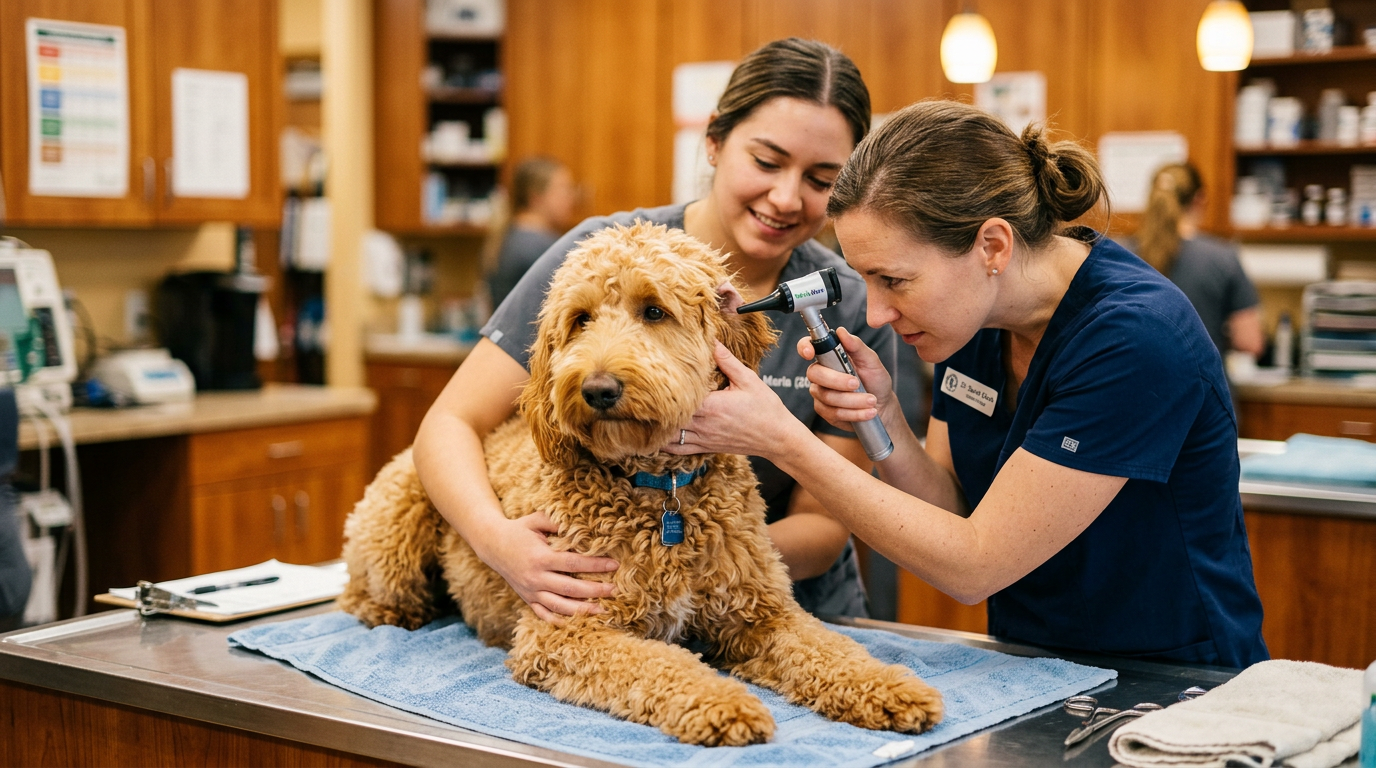
Alright, let me break down exactly what happens when you hop up on that cold metal table (pro tip: ask your human to bring a blanket — it helps!).
The Nose-to-Tail Physical Examination
This is the main event. Your vet will perform a thorough, head-to-tail physical exam that covers:
- Eyes: Checking for cloudiness, discharge, redness, or signs of cataracts
- Ears: Looking for infections, mites, wax buildup, or inflammation
- Mouth and Teeth: Examining gums, teeth condition, and checking for dental disease (I'm not gonna lie, I hate this part)
- Skin and Coat: Feeling for lumps, bumps, hot spots, parasites, or unusual dryness
- Lymph Nodes: Palpating the nodes in the neck, armpits, and groin for swelling
- Heart and Lungs: Listening with a stethoscope for murmurs, irregular rhythms, or abnormal lung sounds
- Abdomen: Gently pressing on the belly to check organ size and detect any pain or masses
- Musculoskeletal System: Observing gait, joint flexibility, and checking for muscle wasting or pain
- Body Condition Score: Assessing whether you're at a healthy weight (I personally think I'm perfect, but my vet has opinions)
As PetMD notes, vets assess body condition, eyes, ears, skin, coat, teeth, lymph nodes, heart, lungs, abdomen, and gait to detect subtle problems like muscle wasting or dental disease that we dogs might never complain about.
Vaccinations and Boosters
Depending on your age and vaccination history, your vet may administer core vaccines (like rabies and DHPP) or non-core vaccines based on your lifestyle. If you're a dog park regular like me, your vet might recommend the Bordetella (kennel cough) vaccine — especially if there's a popular dog park near you where lots of pups mingle.
Parasite Screening and Prevention
This is a big one. Your vet will likely run a fecal test to check for intestinal parasites like roundworms, hookworms, and giardia. Here's a fact that might make your human's skin crawl: some of these parasites are transmissible to humans, which means protecting me protects the whole family.
Heartoworm testing is also standard in most areas of the country. A simple blood draw can detect heartworm disease, which is far easier (and cheaper) to prevent than to treat. My mom Lacey keeps me on a year-round heartworm preventive, and I'd recommend your humans do the same.
For keeping track of flea and tick prevention between vet visits, I love having the Seresto Flea and Tick Collar for Dogs — it lasts up to 8 months and means fewer topical treatments that make my fur feel weird.
Blood Work and Lab Tests
Now we're getting into the real detective work. Standard wellness panels typically include:
- Complete Blood Count (CBC): Measures red blood cells, white blood cells, and platelets to screen for anemia, infection, and clotting disorders
- Biochemistry Profile: Evaluates organ function — liver, kidneys, pancreas — and checks electrolyte levels
- Urinalysis: Assesses kidney function, hydration, and screens for urinary tract infections or diabetes
- Thyroid Testing: Checks thyroid hormone levels, which can affect weight, energy, and coat health
PetMD explains that blood work is a core part of annual or biannual wellness visits, screening for diseases like diabetes, renal issues, hypothyroidism, and anemia through CBC, chemistry profiles, and organ function tests.
I know getting blood drawn isn't anyone's favorite activity (mine included), but those few seconds of discomfort can literally save your life.
Dog Wellness Exams by Age: What to Expect at Every Life Stage
Not all dog wellness exams are created equal. What your vet checks depends a lot on how many candles are on your birthday cake (or, you know, how many tennis balls you've destroyed).
Puppies (Under 1 Year)
Puppies need the most frequent visits — typically monthly wellness exams during their first year. These visits focus on:
- Vaccination series (usually starting at 6-8 weeks)
- Deworming treatments
- Growth and development monitoring
- Spay/neuter consultation
- Socialization and behavior guidance
If you've just brought home a new puppy, keeping all those appointments organized can be a challenge. My mom Lacey swears by the Petco Puppy Health Record Book — it keeps vaccination records, vet visit notes, and health milestones all in one place.
Adults (1-7 Years)
For healthy adult dogs, annual dog wellness exams are the gold standard. According to PetMD, these yearly visits include physical exams, vaccine boosters, and heartworm checks, establishing baselines that help detect problems early.
This is where I am right now — in my prime! My annual visits are pretty straightforward, but they're still essential for catching anything sneaky.
Seniors (7+ Years)
Once a dog hits the senior years (typically around 7-10 depending on breed and size), vets recommend twice-yearly wellness exams. Senior-specific additions often include:
- Blood pressure monitoring
- Abdominal ultrasounds
- More frequent blood panels
- Joint and mobility assessments
- Cognitive function evaluation
For my senior friends at the park who deal with stiff joints, I always recommend their humans check out the PetHonesty Hemp Hip & Joint Supplement. It's a soft chew that supports joint health with glucosamine, turmeric, and hemp — and most dogs think it's a treat (because it basically is).
How to Prepare for Your Dog's Wellness Exam
Want to make the most of your dog wellness exam? Here are some tips from a seasoned vet-visit veteran:
Before the Appointment
- Write down any concerns: Has your dog been scratching more? Drinking more water? Limping after walks? Jot it all down so you don't forget to mention it.
- Bring a fresh stool sample: Your vet will likely need one for the fecal test, and bringing one from home saves time (and awkward waiting-room moments).
- Gather medical records: If you're visiting a new vet in your area, bring previous vaccination records and health history.
- Don't feed your dog right before: Some blood tests require fasting, so check with your vet ahead of time.
During the Appointment
- Stay calm: We pick up on your energy. If you're stressed, we're stressed. Take a deep breath — this is routine!
- Ask questions: No question is too small. Ask about nutrition, exercise, dental care, behavioral changes — anything.
- Take notes: It's easy to forget what the vet said once you're back in the car. Write things down or ask for a printed summary.
After the Appointment
A treat. I need a treat. Actually, several treats. This is non-negotiable.
But seriously, follow through on any recommendations your vet makes — whether that's a diet change, a follow-up test, or starting a new medication. And if your vet suggested dental care (they almost always do), the Arm & Hammer for Pets Dental Kit for Dogs is a great at-home option that my mom Lacey uses on me regularly.
What You Can Check at Home Between Dog Wellness Exams
Here's the thing — wellness doesn't stop when you leave the vet's office. PetMD recommends performing at-home checks between professional exams to catch potential issues early.
Here's what my mom Lacey checks on me regularly:
- Lumps and Bumps: Run your hands over your dog's entire body at least once a week. Any new lumps should be reported to your vet.
- Mouth Health: Lift those lips and check for red gums, broken teeth, or bad breath (beyond the normal doggy breath, I mean).
- Weight: Sudden weight gain or loss can signal thyroid problems, diabetes, or other issues.
- Eyes and Ears: Look for discharge, redness, or odor.
- Energy Levels: A sudden drop in energy or enthusiasm for walks and play could indicate pain or illness.
- Eating and Drinking Habits: Changes in appetite or water consumption are often the first signs something's off.
Think of at-home checks as the between-visit maintenance that keeps everything running smoothly until your next professional dog wellness exam.
How Much Does a Dog Wellness Exam Cost?
I know, I know — I'm a dog and I don't have to worry about the bill. But I care about my humans' wallets because a happy wallet means more treats and toys for me.
The cost of a dog wellness exam varies depending on your location, the vet clinic, and what's included. Here's a general breakdown:
| Service | Estimated Cost |
|---|---|
| Basic physical exam | $50 - $100 |
| Vaccinations | $20 - $60 per vaccine |
| Blood work panel | $80 - $200 |
| Fecal test | $25 - $50 |
| Heartworm test | $35 - $75 |
| Urinalysis | $30 - $60 |
All in, a comprehensive wellness exam dog owners schedule annually typically runs between $200 and $500 for an adult dog. Senior dogs with additional testing may see costs on the higher end.
Many vet clinics near you offer wellness plans that bundle exams, vaccines, and lab work into a monthly payment — which can be a great way to budget for preventive care. Ask your local vet about options in your area!
The Hidden Value of Regular Dog Wellness Exams
Let me share a quick story. A couple of years ago, during what seemed like a perfectly routine wellness exam, my vet noticed that one of my lymph nodes felt slightly larger than usual. My mom Lacey hadn't noticed anything at home — I was eating fine, playing fine, being my usual goofy self. But because we had that baseline from previous exams, the vet knew it was new.
Turns out, it was nothing serious — just a minor infection that cleared up with antibiotics. But it could have been something bigger. And because we caught it early, we didn't have to find out the hard way.
That's the real power of a dog wellness exam. It's not just about checking boxes. It's about creating a continuous health record that helps your vet spot the things we dogs are so good at hiding.
For keeping your dog healthy and comfortable between vet visits, investing in quality nutrition is key. I'm a big fan of the Purina Pro Plan Adult Dog Food — it's formulated with high-quality protein and probiotics for digestive health, and my vet approves of it.
Well, friends, there you have it — everything that happens during a dog wellness exam, straight from the mouth of a dog who's been through plenty of them! Whether you're a new puppy parent or you've been doing this for years, I hope this guide takes some of the mystery out of those vet visits and reminds you just how important they are.
My mom Lacey always tells me that taking care of my health is how she shows her love, and honestly? I feel that every time she books my next appointment. So do your furry best friend a favor — schedule that wellness exam, find a great vet near you, ask all the questions, and maybe pack an extra treat or two for the ride home.
Want more tips on keeping your pup happy and healthy? Sniff around doggieparknearme.com for more of my best advice. Until next time — stay golden, stay healthy, and never stop wagging! 🐾
Paws and love, Auggie
Frequently Asked Questions
What does a dog wellness exam include?
A dog wellness exam typically includes a comprehensive nose-to-tail physical examination covering the eyes, ears, mouth, skin, coat, lymph nodes, heart, lungs, abdomen, and musculoskeletal system. It also includes vaccinations or boosters as needed, parasite screening (fecal test and heartworm test), and laboratory work such as a complete blood count (CBC), biochemistry profile, urinalysis, and thyroid testing. Senior dogs may also receive blood pressure monitoring and abdominal ultrasounds. Your vet will also assess your dog's body condition score and discuss nutrition, behavior, and any concerns you may have.
How much is a typical wellness exam for a dog?
A typical dog wellness exam costs between $200 and $500 for a comprehensive visit that includes the physical exam, vaccinations, blood work, fecal testing, and heartworm screening. A basic physical exam alone usually ranges from $50 to $100, with additional tests adding to the total. Costs vary depending on your location, the veterinary clinic, and your dog's age and health needs. Senior dogs with more extensive testing may be on the higher end. Many vet clinics offer wellness plans that spread costs into manageable monthly payments.
What is the silent killer in dogs?
Hemangiosarcoma is often referred to as the 'silent killer' in dogs. It's an aggressive cancer of the blood vessel lining that typically develops in the spleen, heart, or liver and often shows no symptoms until it's advanced or the tumor ruptures, causing internal bleeding. Other conditions sometimes called silent killers include heartworm disease and chronic kidney disease, both of which can progress quietly without obvious symptoms. This is exactly why regular dog wellness exams with blood work and physical assessments are so critical — they can detect subtle changes before a crisis occurs.
What is the 90/10 rule for dogs?
The 90/10 rule for dogs is a nutrition guideline that recommends 90% of your dog's daily caloric intake come from a complete and balanced dog food, while no more than 10% should come from treats, table scraps, or other extras. This rule helps prevent obesity, nutritional imbalances, and digestive issues. It's a simple framework that vets often discuss during wellness exams to help pet parents keep their dogs at a healthy weight. Even healthy treats like carrots or blueberries should fall within that 10% treat allowance.
How often should my dog have a wellness exam?
Puppies under one year old should have monthly wellness exams to stay on track with vaccinations and developmental milestones. Healthy adult dogs (ages 1-7) should have an annual dog wellness exam. Senior dogs (7 years and older) benefit from twice-yearly exams to monitor for age-related conditions like organ dysfunction, arthritis, and cognitive decline. Dogs with chronic health conditions may need even more frequent visits. Your vet can recommend the best schedule based on your dog's specific needs and breed.
Can I do anything at home between wellness exams?
Absolutely! Between professional wellness exams, you can perform at-home health checks by running your hands over your dog's body to feel for lumps or bumps, checking their mouth for dental issues, monitoring weight changes, inspecting eyes and ears for discharge or redness, and tracking changes in energy levels, appetite, or water consumption. These home checks supplement — but never replace — professional veterinary exams. If you notice anything unusual during your at-home checks, schedule a vet visit promptly.
About Auggie
Hi, I'm Auggie! I'm a Golden Doodle who's been to more dog parks than most humans. My mom Lacey and I started Doggie Park Near Me to help every pup find their perfect park. When I'm not sniffing out new spots, you'll find me napping in the sun or begging for treats.
Learn more about us →More From Auggie

How I find a doggie park near me fast, from Auggie
Hey there, I'm Auggie the Golden Doodle, and I've been sniffing out the best doggie park near me! In my latest blog post, I share all my tail-wagging tips on finding local parks with awesome amenities, safety rules that keep us pups happy, and must-have park gear. Come along and learn how to snag the ultimate playdate spot for you and your furry friend!

Dog Preventive Care Checklist: Vaccines, Checkups and More
Hey friends, it's Auggie! I've put together the ultimate dog preventive care checklist covering vaccines, vet checkups, parasite prevention, dental care, nutrition, and more. Whether you've got a new puppy or a wise senior, this guide will help keep your best friend healthy, happy, and ready for adventures at the dog park near you!

Senior Dog Care: A Complete Guide to Caring for Older Dogs
Hey, it's Auggie! 🐾 Senior dog care is close to my fluffy heart. From twice-yearly vet visits and joint health to nutrition and cognitive support, I'm sharing everything my mom Lacey and I have learned about keeping your aging best friend happy, healthy, and tail-wagging. Let's dig in!