
Senior Dog Care: A Complete Guide to Caring for Older Dogs
Hey there, friends — it's me, Auggie, your favorite curly-haired Golden Doodle, coming at you with a topic that's close to my fluffy heart: senior dog care. Now, I'll be honest — I'm not quite a senior myself yet, but I've got plenty of wise, gray-muzzled pals at the dog park who've taught me a thing or two about getting older with grace (and the occasional dignified nap in a sunbeam). My mom Lacey and I have done a TON of research on this subject because, well, she loves me enough to plan ahead — and I love snacks enough to want to stick around for as long as pawsible. Whether your best friend is just crossing that seven-year threshold or is already a distinguished elder pup, this guide is packed with everything you need to know to keep your senior dog happy, healthy, and tail-wagging for years to come. Let's dig in — and yes, pun absolutely intended.
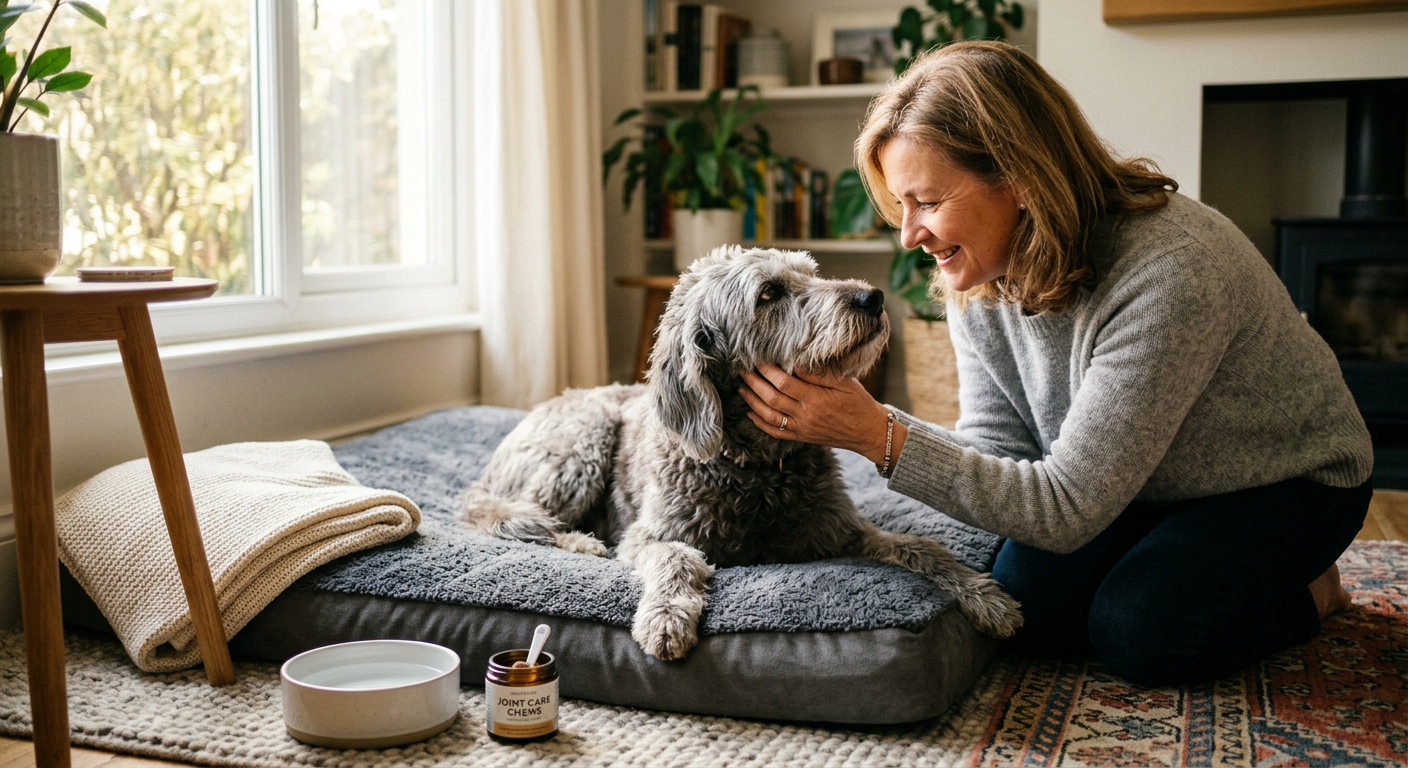
When Does a Dog Become a Senior? Understanding Senior Dog Care Timelines
One of the first questions my mom Lacey asked our vet was, "When exactly does Auggie become a senior?" The answer might surprise you. Dogs are generally considered seniors at 7 years old, though this varies significantly by breed and size. Large and giant breeds like Great Danes may enter their senior years as early as 5 or 6, while smaller breeds like Chihuahuas might not show signs of aging until 10 or 11.
According to VCA Animal Hospitals, the seven-year mark is when dogs become increasingly vulnerable to organ decline and chronic health issues. That doesn't mean your dog will suddenly slow down overnight — it's a gradual process. But it does mean it's time to shift your approach to senior dog care and start paying closer attention to your pup's changing needs.
Here's a general guideline for when dogs enter their senior years based on size:
- Small breeds (under 20 lbs): 10-12 years
- Medium breeds (20-50 lbs): 8-10 years
- Large breeds (50-90 lbs): 7-8 years
- Giant breeds (90+ lbs): 5-6 years
Knowing where your dog falls on this spectrum is the first step in providing proper dog senior care. My mom marked it on the calendar — right next to my birthday treat schedule, naturally.
Veterinary Visits: The Cornerstone of How to Care for Senior Dogs
Let me be real with you: I'm not exactly a fan of the vet's office. The cold table, the thermometer situation — let's not even go there. But if there's one thing I've learned about senior dog care, it's that regular vet visits are absolutely non-negotiable.
The American Veterinary Medical Association (AVMA) recommends that senior dogs receive veterinary visits every 6 months — that's twice a year, folks. These aren't just quick once-overs, either. Senior wellness exams should include:
- Complete physical examination
- Blood work (CBC and chemistry panels)
- Urinalysis
- Thyroid testing
- Blood pressure monitoring
- Dental examination
- Weight assessment
These biannual checkups are critical for early detection of diseases like kidney failure, diabetes, thyroid disorders, and cancer. As the 2023 AAHA Senior Care Guidelines emphasize, a systematic, evidence-guided approach to senior care — including behavioral management and addressing comorbidities — can significantly enhance quality of life for aging dogs.
Pro tip from my mom Lacey: keep a health journal for your senior dog. Write down any changes in behavior, appetite, water intake, or mobility between vet visits. It helps your veterinarian paint a clearer picture during those appointments. I personally think she just likes having another excuse to buy cute notebooks, but hey, it works.
Nutrition and Diet: Fueling Your Senior Dog Right
Okay, now we're talking about my FAVORITE subject — food. But senior dog care nutrition is a bit different from what younger pups need. As dogs age, their metabolism slows down, their digestive systems become more sensitive, and their nutritional requirements shift.
Here's what to look for in a quality senior dog food:
- High-quality, easily digestible protein to maintain muscle mass
- Reduced calories to prevent obesity (a major issue for less active seniors)
- Omega-3 fatty acids for joint and cognitive support
- Increased fiber for digestive health
- Glucosamine and chondroitin for joint support
- Antioxidants for immune system health
My mom Lacey switched my older dog park buddy, Chester, onto a senior-specific formula when his human asked for advice, and the difference was noticeable within weeks. His coat got shinier, his energy improved, and he was actually keeping up with me during our zoomie sessions (well, almost).
One food my mom swears by for senior pups is the Blue Buffalo Life Protection Formula Senior Dog Food. It's packed with real chicken, whole grains, and a precise blend of antioxidants specifically formulated for aging dogs. Chester's human ordered it on Amazon and never looked back.
Also, water intake monitoring is essential for senior dogs. According to VCA Animal Hospitals, normal water intake should be under 100 ml/kg per day — that's roughly 1.5 cups for a 10-pound dog. If your senior dog is suddenly drinking significantly more, it could signal diabetes, kidney disease, or liver problems. Don't ignore it — call your vet.
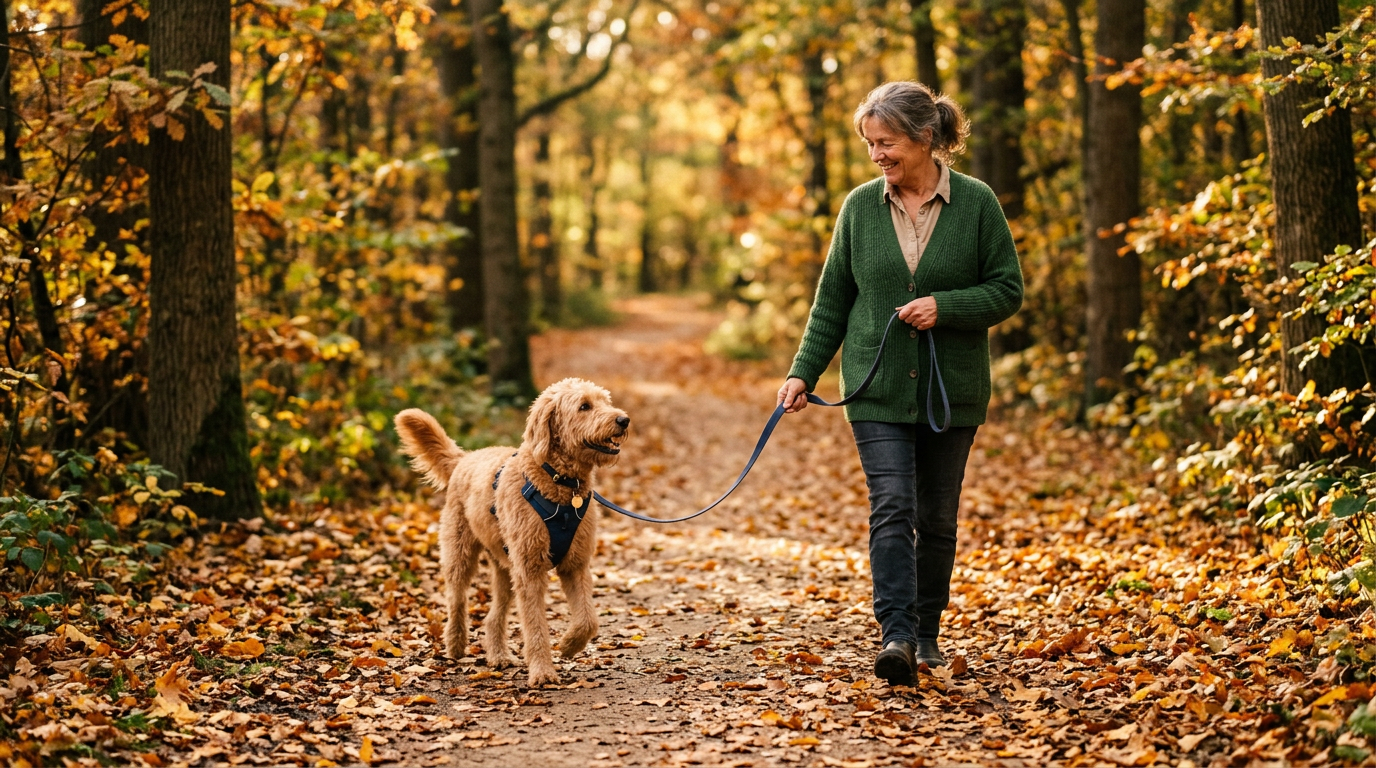
Joint Health and Mobility: Keeping Senior Dogs Moving
I'll tell you what — watching my senior friends at the dog park struggle to get up after a rest breaks my heart. Joint health is one of the most important aspects of senior dog care, and arthritis affects a staggering number of older dogs.
Here's how to support your senior dog's mobility:
Environmental Modifications
The AVMA client brochure on senior pets recommends several home modifications that can make a world of difference:
- Nonslip rugs and mats on hard floors to prevent slipping
- Ramps or pet stairs for getting on furniture or into cars
- Elevated food and water bowls to reduce neck strain
- Orthopedic dog beds that support aging joints
- Raised sleeping areas that are easy to access
My mom Lacey invested in the PetFusion Ultimate Dog Bed for when her friend's senior Lab visits. It has solid memory foam, a water-resistant liner, and a bolster design that's perfect for dogs who like to rest their heads. Trust me — once a senior dog tries memory foam, there's no going back to that flat old cushion.
Supplements for Joint Support
Glucosamine and chondroitin supplements are game-changers for senior dog joint health. I've watched dogs at the park near me go from limping to trotting happily after their humans started them on a quality joint supplement.
The Nutramax Cosequin Maximum Strength Joint Supplement is a veterinarian-recommended option that combines glucosamine, chondroitin, and MSM. It's one of the most trusted joint supplements in your area's vet clinics, and it comes in tasty chewable tablets that most dogs actually enjoy. Win-win!
Exercise Adjustments
Senior dogs still need exercise — in fact, regular gentle movement is crucial for maintaining joint flexibility and muscle mass. But the key word is gentle. Swap those intense fetch marathons for:
- Shorter, more frequent walks
- Swimming (easy on the joints!)
- Gentle play sessions
- Sniff walks (let them explore at their own pace — trust me, we LIVE for sniff walks)
Look for senior-friendly dog parks near you that have flat terrain and shaded rest areas. Many parks in your area are now designing separate sections for older or less active dogs, which is pawsitively wonderful.
Dental Health: Don't Forget Those Chompers
Here's a fact that my mom Lacey finds alarming: dental disease risk rises significantly in senior dogs, potentially leading to infections, chronic pain, or even oral tumors. And yet, dental care is one of the most overlooked aspects of how to care for senior dogs.
Senior dogs should have:
- Professional dental cleanings at least once a year (your vet will advise on frequency)
- Daily tooth brushing at home (I know, I know — it's not anyone's favorite activity)
- Dental chews and treats approved by the Veterinary Oral Health Council (VHOC)
- Regular oral exams as part of those biannual vet visits
For at-home dental care, the Arm & Hammer for Pets Tartar Control Kit for Dogs is a great starter set. It comes with enzymatic toothpaste that actually tastes pretty good (or so I've heard from my friends — I'm not admitting anything) and a finger brush that makes the whole process easier for humans and dogs alike.
Bad breath isn't just unpleasant — in senior dogs, it can be a sign of serious dental disease or even organ problems. If your older pup's breath suddenly changes, don't just assume it's from that questionable thing they ate at the park. Get it checked out.
Cognitive Health: Senior Dog Brain Care
Did you know that dogs can develop a condition similar to Alzheimer's disease? It's called Canine Cognitive Dysfunction (CCD), and it's more common than you might think. Signs include:
- Disorientation or confusion in familiar environments
- Changes in sleep patterns (pacing at night, sleeping all day)
- House-training accidents in previously trained dogs
- Decreased interaction with family members
- Staring at walls or into space
- Getting "stuck" in corners or behind furniture
The PubMed-indexed 2023 AAHA Guidelines emphasize integrative therapies and environmental management as key components of managing cognitive decline in senior dogs. This includes:
- Mental enrichment through puzzle toys, training sessions, and new experiences
- Consistent routines to reduce anxiety and confusion
- Omega-3 supplementation (particularly DHA) for brain health
- Appropriate medication when recommended by your veterinarian
- Night lights for dogs who seem confused in the dark
Keeping your senior dog's brain active is just as important as keeping their body healthy. My mom Lacey always says that a bored dog is an unhappy dog — and that goes double for seniors.
Weight Management: A Critical Component of Dog Senior Care
I'll be honest — I love treats. Like, REALLY love treats. But weight monitoring every 2 months on the same scale is one of the most important things you can do for your senior dog. According to VCA Animal Hospitals, weight changes often precede visible symptoms of disease in aging dogs.
Obesity in senior dogs contributes to:
- Increased joint stress and arthritis pain
- Heart disease
- Diabetes
- Decreased immune function
- Reduced lifespan
Conversely, unexplained weight loss can signal cancer, kidney disease, dental problems, or other serious conditions. That's why consistent monitoring is so crucial.
Tips for maintaining a healthy weight in your senior dog:
- Measure food portions precisely — no eyeballing!
- Choose low-calorie treats or use pieces of their regular kibble as rewards
- Maintain regular, gentle exercise appropriate for their ability level
- Discuss caloric needs with your vet at each biannual checkup
- Weigh your dog regularly at the same time of day, on the same scale
Grooming and Comfort: Special Considerations for Aging Dogs
Senior dogs have different grooming needs than their younger counterparts. Their skin becomes thinner and more sensitive, their coats may thin or change texture, and they may develop lumps, bumps, or skin tags that need monitoring.
Here's a senior-specific grooming checklist:
- Gentle brushing several times a week to stimulate circulation and distribute natural oils
- Regular nail trimming — senior dogs are less active and don't wear down nails naturally
- Ear cleaning to prevent infections (older dogs can be more susceptible)
- Skin checks during every grooming session for new lumps, sores, or changes
- Warm water baths with mild, moisturizing shampoo
- Paw pad care — senior paw pads can crack and become rough
The Bodhi Dog New Grooming Pet Shampoo is a soothing, all-natural option that's perfect for seniors with sensitive skin. It's gentle enough for frequent use and leaves coats feeling soft without irritating dry or aging skin.
My mom Lacey also recommends making grooming sessions shorter and more frequent rather than one long marathon session. Senior dogs can get tired and uncomfortable holding positions for too long. Patience and gentleness are the name of the game.
Emotional Well-Being: The Heart of Senior Dog Care
Let me get a little sentimental here, because senior dog care isn't just about vet visits, supplements, and special food. It's about love, patience, and understanding.
Senior dogs may experience:
- Increased anxiety — especially separation anxiety or noise sensitivity
- Changes in social behavior — some become clingier, others more withdrawn
- Frustration when they can't do what they used to
- Confusion if cognitive decline is present
The best thing you can do? Be patient. Be present. Adjust your expectations. Your senior dog may not be able to hike five miles or play fetch for an hour anymore, but they still have so much love and joy to give.
Spend quality time together. Go on gentle sniff walks around the neighborhood or to a quiet dog park near you. Let them set the pace. Give them extra belly rubs — doctor's orders (okay, Auggie's orders, but still). And never underestimate the power of simply being there. My mom Lacey always says the best medicine for any dog is the presence of their person, and I couldn't agree more.
Creating a Senior-Friendly Home Environment
Making your home comfortable for a senior dog doesn't require a complete renovation — just some thoughtful adjustments:
- Temperature control: Senior dogs are more sensitive to heat and cold. Keep your home at a comfortable temperature and provide extra blankets in winter.
- Lighting: Add night lights in hallways and near their bed to help dogs with declining vision navigate safely.
- Accessibility: Place food, water, and beds on the main floor if stairs are an issue.
- Quiet spaces: Provide a calm retreat where your senior dog can rest undisturbed.
- Consistency: Keep furniture and their belongings in the same places to reduce confusion.
These small changes can make a massive difference in your senior dog's daily comfort and confidence in their own home.
Well, friends, we've covered a LOT of ground today — almost as much ground as I cover during my daily zoomies at the park. Senior dog care is truly a labor of love, and if you've read this far, it's clear that you care deeply about your aging best friend. From twice-yearly vet visits and proper nutrition to joint support, dental health, and emotional well-being, every little effort you make adds up to more happy, tail-wagging days together.
My mom Lacey always reminds me that growing older is a privilege, not a burden — and I think that's true for all of us, two-legged and four-legged alike. So give your senior pup an extra treat tonight (vet-approved, of course), a long belly rub, and a gentle walk to their favorite sniffing spot near you. They've earned it.
Got a senior dog story or tip? Drop it in the comments below — I'd love to hear from you! And don't forget to explore more of our guides here on doggieparknearme.com for everything you need to keep your pup living their best life. 🐾
Frequently Asked Questions
Can you give dogs Tylenol or ibuprofen?
Absolutely NOT. This is something my mom Lacey feels very strongly about, and for good reason. Tylenol (acetaminophen) and ibuprofen are both extremely dangerous for dogs. Ibuprofen can cause kidney failure, stomach ulcers, and even death in dogs, while acetaminophen can damage the liver and destroy red blood cells. Even a single pill can be toxic depending on your dog's size. Never give your dog any human pain medication without direct veterinary guidance. If your senior dog is in pain, talk to your vet about dog-safe pain management options like prescription NSAIDs formulated specifically for canines, gabapentin, or other veterinarian-approved treatments.
What age do dogs start to slow down?
Most dogs begin to slow down between 7 and 10 years of age, though this varies significantly by breed and size. Large and giant breeds like Great Danes and Saint Bernards may start showing signs of aging as early as 5-6 years old, while smaller breeds like Yorkies and Chihuahuas may remain energetic well into their teens. Signs of slowing down include decreased enthusiasm for walks or play, more frequent napping, stiffness after resting, difficulty with stairs, and graying around the muzzle. If you notice these changes, it's a great time to transition to a senior dog care routine that includes biannual vet visits, joint supplements, and adjusted exercise.
What dogs can be left alone?
Some breeds are more independent and tolerate alone time better than others. Breeds like Basset Hounds, Chow Chows, Shar-Peis, Bullmastiffs, and Greyhounds are generally known for being comfortable with some solitude. However, senior dogs — regardless of breed — often have different needs when it comes to being left alone. Older dogs may need more frequent bathroom breaks, may have separation anxiety that worsens with age, or may need medication administered at specific times. For senior dogs, consider shorter periods alone, a dog walker or pet sitter for midday check-ins, and enrichment tools like puzzle feeders to keep them occupied. Always ensure fresh water and a comfortable resting spot are available.
What is the 3-3-3 rule for dogs?
The 3-3-3 rule is a general guideline primarily used for newly adopted dogs to help set expectations for the adjustment period. In the first 3 days, a dog may feel overwhelmed, not eat much, and want to hide or test boundaries. In the first 3 weeks, they start settling in, learning routines, and showing more of their true personality. After 3 months, they typically feel fully at home and bonded with their family. While the 3-3-3 rule is most commonly applied to rescue dogs, it's also relevant for senior dogs adjusting to new environments — whether they're adopted seniors or simply moving to a new home. Senior dogs may actually need a bit more time and patience during each phase due to cognitive changes and the stress that comes with aging.
About Auggie
Hi, I'm Auggie! I'm a Golden Doodle who's been to more dog parks than most humans. My mom Lacey and I started Doggie Park Near Me to help every pup find their perfect park. When I'm not sniffing out new spots, you'll find me napping in the sun or begging for treats.
Learn more about us →More From Auggie

How I find a doggie park near me fast, from Auggie
Hey there, I'm Auggie the Golden Doodle, and I've been sniffing out the best doggie park near me! In my latest blog post, I share all my tail-wagging tips on finding local parks with awesome amenities, safety rules that keep us pups happy, and must-have park gear. Come along and learn how to snag the ultimate playdate spot for you and your furry friend!

What Happens at a Dog Wellness Exam? A Golden Doodle's Inside Scoop
Hey, it's Auggie! Ever wonder what actually happens during a dog wellness exam? I'm breaking down every sniff, poke, and lab test from a dog's-eye view. From nose-to-tail physicals to blood work and vaccinations, I've got the full scoop to help keep your pup healthy and happy!

Dog Preventive Care Checklist: Vaccines, Checkups and More
Hey friends, it's Auggie! I've put together the ultimate dog preventive care checklist covering vaccines, vet checkups, parasite prevention, dental care, nutrition, and more. Whether you've got a new puppy or a wise senior, this guide will help keep your best friend healthy, happy, and ready for adventures at the dog park near you!