
Dog Preventive Care Checklist: Vaccines, Checkups and More
Hey there, friends — it's Auggie, your favorite Golden Doodle blogger, and today we're tackling one of the most important topics I'll ever write about: dog preventive care. Look, I know vet visits aren't exactly the highlight of my week (the waiting room smells are overwhelming, and don't get me started on the thermometer situation), but my mom Lacey has taught me that staying ahead of health problems is way better than chasing them down later. Think of it like this: you wouldn't wait until your car broke down on the highway to check the oil, right? Same goes for us pups. A solid dog preventive care plan is the foundation for a longer, happier, tail-waggier life. Whether you've just welcomed a new puppy into your home or you've got a distinguished senior snoozer on the couch, this checklist will walk you through everything — vaccines, checkups, parasite prevention, dental care, nutrition, and more. Grab a treat and settle in!
Why Dog Preventive Care Matters More Than You Think
Let me hit you with a fact that really puts things in perspective: one year of my life is roughly equivalent to four to five human years. That means when I skip an annual vet visit, it's like you skipping a doctor's appointment for half a decade. Yikes, right? According to VCA Animal Hospitals, annual or biannual veterinary exams with bloodwork and urinalysis can detect organ malfunctions, metabolic issues, and other hidden problems long before they become serious — or expensive.
Dog preventive care isn't just about avoiding illness; it's about optimizing quality of life. My mom Lacey always says, "Auggie can't tell me when something hurts," and she's right (well, mostly — I'm pretty dramatic when my dinner is two minutes late). But real health problems? We dogs are experts at hiding pain. That's a survival instinct from our wolf ancestors, and it means by the time you notice something's wrong, the issue may have been brewing for months.
A proactive dog preventive care plan catches those silent problems early. And trust me, early detection means simpler treatments, lower vet bills, and more years of fetch in the park.
The Complete Dog Preventive Care Checklist
Alright, let's get into the good stuff. Here's the comprehensive checklist my mom Lacey and I follow, organized by category. Print it out, stick it on your fridge, or save it to your phone — whatever keeps you on track.
Annual and Biannual Veterinary Exams
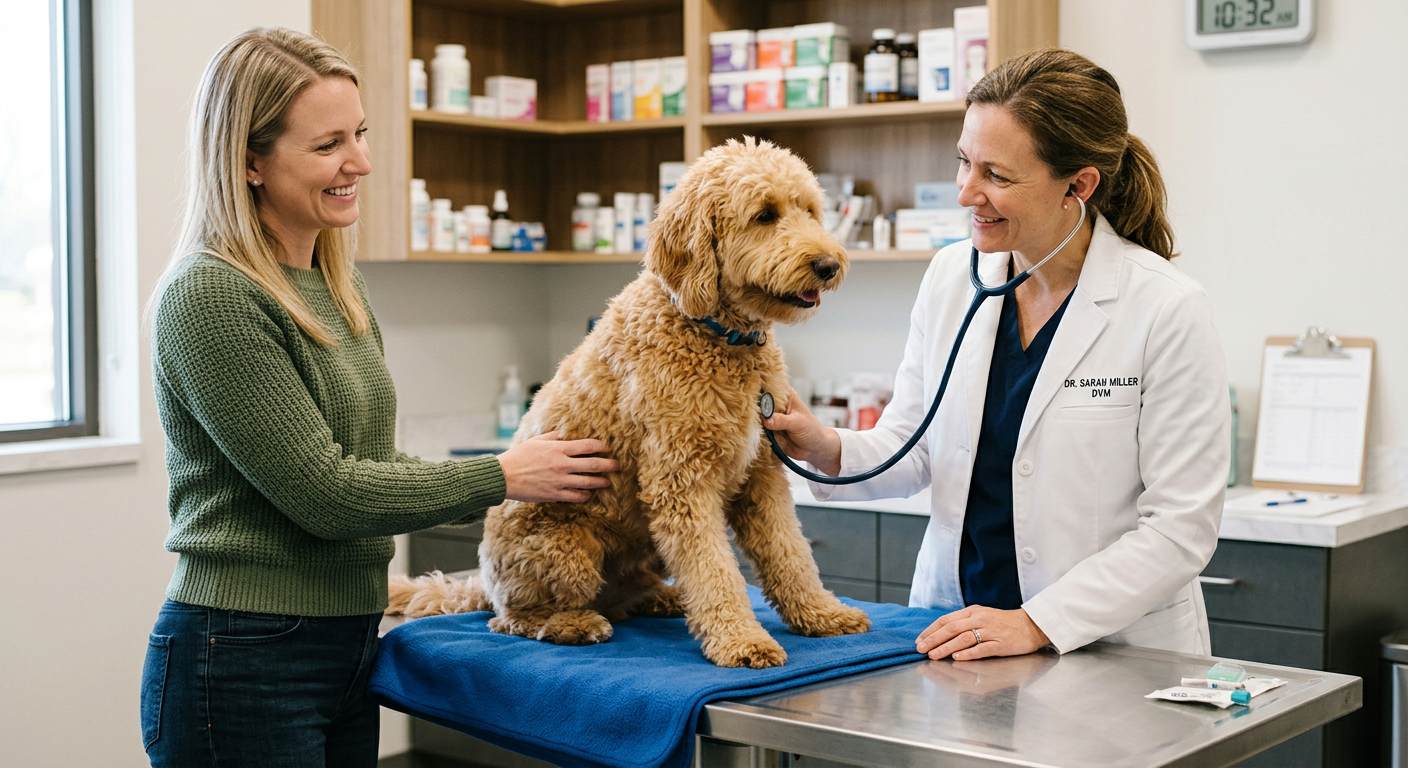
This is the cornerstone of any dog preventive care plan. The American Animal Hospital Association (AAHA) recommends at minimum an annual comprehensive exam for adult dogs, with biannual visits for puppies, seniors, and dogs with chronic conditions.
During a typical wellness exam, your vet will check:
- Heart and lungs — listening for murmurs, arrhythmias, or abnormal breathing
- Eyes and ears — looking for infections, cataracts, or inflammation
- Teeth and gums — checking for dental disease (more on this below!)
- Skin and coat — evaluating for allergies, parasites, or lumps
- Abdomen — palpating for organ enlargement or tenderness
- Joints and mobility — assessing for arthritis or pain
- Weight and body condition — scoring overall fitness
As PetVet Care Centers explains, these routine exams are tailored to your dog's age, breed, and lifestyle, and they're the single best way to catch issues before they become emergencies.
Puppies typically need exams every 3-4 weeks during their first six months for vaccine boosters and developmental monitoring. Senior dogs (generally age 7+, though it varies by breed) benefit from twice-yearly checkups because our bodies change faster as we age — kind of like how my gray chin hairs appeared seemingly overnight.
Core and Non-Core Vaccines
Vaccines are a non-negotiable part of dog preventive care. They protect us from some truly nasty diseases, and many are required by law. Here's the breakdown:
Core Vaccines (Every Dog Needs These):
- Rabies — legally required in most states; protects against a fatal virus
- Distemper — guards against a highly contagious, often fatal disease
- Parvovirus — essential, especially for puppies; parvo is devastating
- Adenovirus-2 (Canine Hepatitis) — protects against liver infection
- Leptospirosis — increasingly considered core due to rising prevalence
Non-Core Vaccines (Based on Lifestyle and Location):
- Bordetella (Kennel Cough) — recommended if your dog visits dog parks, boarding facilities, or groomers near you
- Lyme Disease — important in tick-endemic areas
- Canine Influenza — recommended for dogs in social settings
My mom Lacey keeps my vaccine records in a dedicated folder, and I'd recommend you do the same. If you visit dog parks in your area — and I hope you do, because they're amazing — many require proof of current vaccinations. Check your local park's requirements before your first visit.
Year-Round Parasite Prevention
Okay, this one makes my skin crawl (literally). Fleas, ticks, heartworms, and intestinal parasites are not just annoying — they can be life-threatening. Both the AAHA and AVMA recommend year-round, broad-spectrum parasite prevention for every dog, regardless of where you live.
Here's what your dog preventive care plan should include:
- Heartworm prevention — monthly oral or topical treatment, plus annual heartworm testing
- Flea and tick prevention — monthly treatment, especially if you spend time outdoors
- Intestinal parasite screening — annual fecal exams to check for roundworms, hookworms, whipworms, and giardia
I personally use a monthly chewable that covers heartworm, fleas, and ticks — my mom Lacey makes it easy by giving it to me with my breakfast on the first of every month. For keeping our home environment clean between treatments, we love the Seresto Flea and Tick Collar for Dogs as an extra layer of protection, especially during heavy tick season.
For yard treatment in your area during peak pest months, the Wondercide Flea and Tick Spray for Yard and Garden is a natural option that my mom swears by.
Dental Care: Don't Ignore Those Chompers
Here's a stat that should make you sit up: by age three, most dogs show signs of dental disease. I know my smile is one of my best features, so my mom Lacey takes dental care seriously as part of our dog preventive care routine.
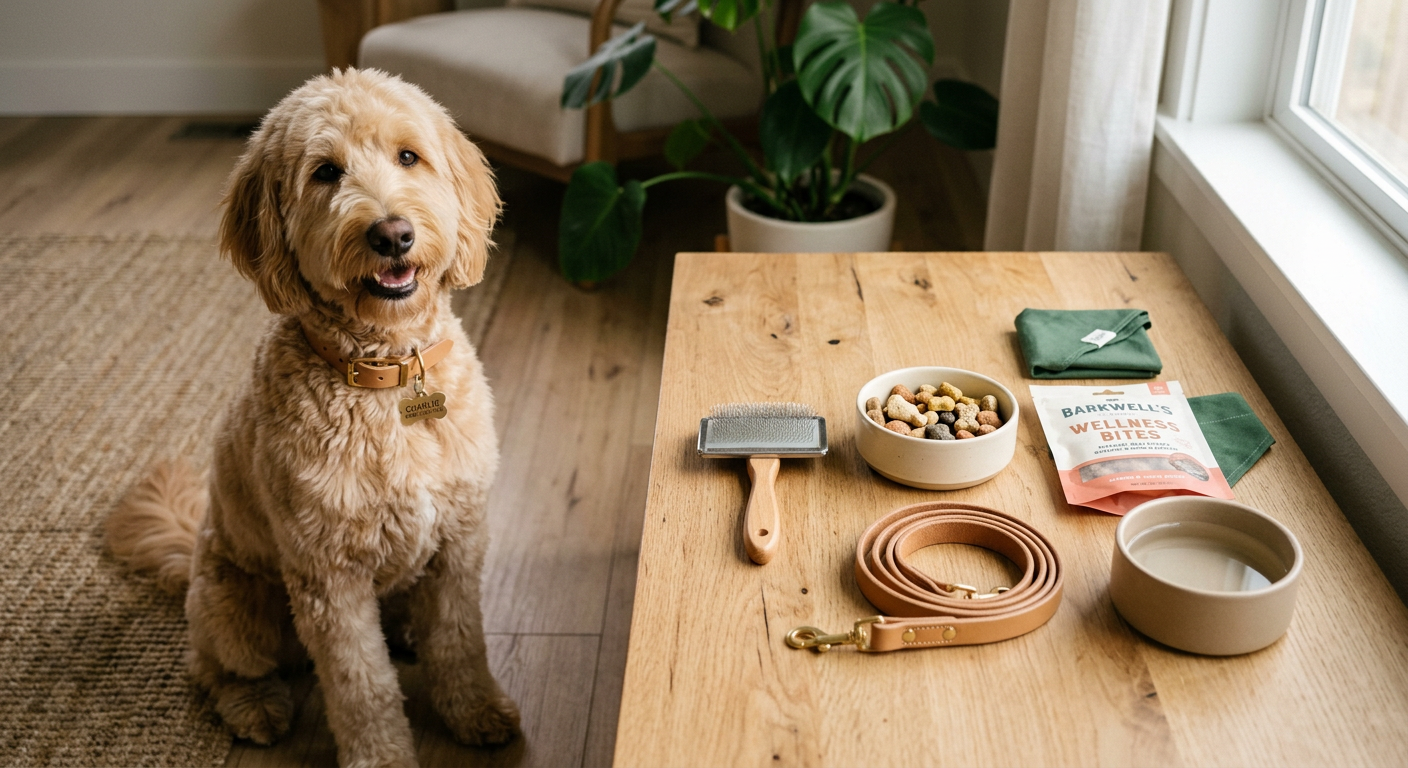
Your dental prevention plan should include:
- Professional dental cleanings — your vet will recommend frequency based on your dog's needs; many dogs need one annually
- At-home brushing — ideally daily, but even a few times a week makes a huge difference
- Dental chews and toys — great for supplementing brushing
For at-home brushing, the Arm & Hammer for Pets Dog Dental Care Kit is affordable and effective — and the enzymatic toothpaste actually tastes pretty good (don't judge me). Pair it with some Greenies Original Dental Dog Treats for between-brushing maintenance, and your pup's pearly whites will thank you.
Dental disease isn't just about bad breath (though I've met some dogs at the park who could clear a room). Untreated periodontal disease can lead to bacteria entering the bloodstream and affecting the heart, liver, and kidneys. Prevention is so much easier — and cheaper — than treatment.
Nutrition and Weight Management
This section is near and dear to my heart — and my stomach. Proper nutrition is a pillar of dog preventive care that directly impacts every other area of health.
Here's the big takeaway: lean dogs live longer. According to VCA Hospitals, maintaining an ideal body condition through balanced diet and regular exercise reduces the risk of joint problems, diabetes, heart disease, and certain cancers, and it measurably extends lifespan.
Your nutrition checklist:
- Feed a complete and balanced diet appropriate for your dog's life stage (puppy, adult, senior)
- Measure portions — eyeballing it almost always leads to overfeeding (guilty as charged, if my mom would let me)
- Limit treats to no more than 10% of daily caloric intake
- Provide fresh, clean water at all times
- Discuss supplements with your vet — omega fatty acids, glucosamine, and probiotics may benefit some dogs
The World Small Animal Veterinary Association (WSAVA) includes nutrition as one of six core preventive care areas in their wellness toolkit, emphasizing that diet should be individually tailored and regularly reassessed.
My mom Lacey uses a slow feeder bowl to keep me from inhaling my food, and honestly, it's been great for my digestion. If your pup is a speed eater like me, try the Outward Hound Fun Feeder Slow Bowl — it turns mealtime into a fun little puzzle.
Spaying, Neutering, and Reproductive Health
Spaying or neutering is a key component of dog preventive care that goes beyond population control. These procedures can:
- Reduce the risk of certain cancers (mammary, testicular, prostate)
- Eliminate the risk of pyometra (a life-threatening uterine infection) in females
- Reduce roaming behavior and related injuries
- Decrease territorial aggression in some dogs
The timing of spay/neuter procedures has evolved — your vet will help you determine the best age based on your dog's breed, size, and individual health factors. Larger breeds, like some of my doodle relatives, may benefit from waiting a bit longer for full skeletal development.
Exercise, Mental Stimulation, and Socialization
A dog preventive care plan isn't complete without addressing the mind and body together. Regular exercise keeps our weight in check, joints healthy, and hearts strong. But mental stimulation is equally important — bored dogs develop destructive behaviors, anxiety, and even depression.
Here's what I recommend:
- Daily walks or active play — at least 30-60 minutes, adjusted for age and breed
- Dog park visits — find a great dog park near you for off-leash exercise and socialization
- Puzzle toys and training — keep that brain sharp
- Positive social experiences — exposure to different people, dogs, and environments
As Purdue University's Canine Welfare Science center notes, preventive strategies should address the whole dog across all life stages, and that includes behavioral and emotional health.
Building a Dog Preventive Care Plan by Life Stage
Not every dog needs the same plan at the same time. Here's a quick breakdown by age:
Puppies (0-12 Months)
- Vet visits every 3-4 weeks until ~16 weeks for vaccine series
- Deworming schedule
- Spay/neuter discussion
- Socialization and basic training
- Microchipping
Adult Dogs (1-6 Years)
- Annual comprehensive exam
- Annual bloodwork and fecal testing
- Year-round parasite prevention
- Dental cleaning as recommended
- Annual vaccine boosters or titers
Senior Dogs (7+ Years)
- Biannual veterinary exams
- Comprehensive bloodwork, urinalysis, and thyroid testing
- Joint health assessment and possible supplementation
- Adjusted nutrition for aging metabolism
- Increased monitoring for lumps, vision changes, and cognitive decline
How to Keep Track of Your Dog's Preventive Care
Organization is everything. My mom Lacey keeps a simple system:
- A dedicated health folder — physical or digital — with vaccine records, test results, and vet notes
- Calendar reminders — monthly for parasite prevention, annually for checkups and vaccines
- A relationship with one primary vet — continuity of care means your vet knows your dog's baseline and can spot changes quickly
- Pet insurance or a wellness plan — many clinics near you offer preventive care packages that bundle exams, vaccines, and bloodwork at a discount
The Cost of Prevention vs. the Cost of Treatment
I know dog preventive care involves regular spending, and that can feel like a lot. But let me put it in perspective:
- A year of heartworm prevention: ~$50-$150
- Treating heartworm disease: $1,000-$3,000+
- Annual dental cleaning: ~$200-$500
- Treating advanced periodontal disease with extractions: $1,000-$3,000+
- Annual wellness exam with bloodwork: ~$200-$400
- Emergency visit for an undetected condition: $1,500-$5,000+
Prevention isn't just better medicine — it's better math. And it means more years of walks, belly rubs, and stealing socks together.
Well, friends, we made it through the whole checklist — and I didn't even need a treat break (okay, maybe one). The bottom line is this: dog preventive care is the single best investment you can make in your pup's health and happiness. From vaccines and parasite prevention to dental care, nutrition, and regular checkups, every piece of the puzzle works together to keep tails wagging longer.
My mom Lacey always says, "An ounce of prevention is worth a pound of cure," and after years of following our dog preventive care plan together, I can tell you she's absolutely right. I'm healthy, I'm happy, and I've got the energy to chase every squirrel in the neighborhood (much to Lacey's dismay).
So here's my challenge to you: if it's been a while since your pup's last checkup, call your vet today. Find a great dog park near you for exercise and socialization. And bookmark this page so you can reference this checklist anytime you need it. Your best friend is counting on you — and they're worth every bit of effort.
Until next time, stay pawsitive! 🐾
— Auggie
Frequently Asked Questions
What is considered preventive care for dogs?
Preventive care for dogs includes all the proactive health measures taken to keep your pup healthy before problems arise. This encompasses annual or biannual veterinary exams, core and non-core vaccinations, year-round parasite prevention (heartworm, flea, tick, and intestinal parasites), dental cleanings and at-home oral care, proper nutrition and weight management, spaying or neutering, bloodwork and diagnostic screening, and regular exercise and mental stimulation. According to the AAHA-AVMA guidelines, preventive care should be customized to each dog's age, breed, lifestyle, and geographic risk factors.
What is the 7 7 7 rule for dogs?
The 7-7-7 rule is a socialization guideline for puppies. By the time a puppy is 7 weeks old, they should have walked on 7 different surfaces, eaten from 7 different containers, been to 7 different locations, met 7 different people, been exposed to 7 different challenges or experiences, and handled 7 different items. The goal is to build confidence and reduce fear-based behavior by exposing puppies to a wide variety of positive experiences during their critical socialization window. This contributes to overall preventive care by reducing anxiety-related health and behavioral issues later in life.
What is 'I love you' in dog language?
Dogs express love in several ways! Soft, sustained eye contact (sometimes called 'soft eyes') releases oxytocin in both dogs and humans — it's essentially a doggy hug. Other signs of love include leaning against you, bringing you their favorite toy, following you from room to room, sleeping near or on you, excited tail wagging with full-body wiggles when you come home, and licking your face or hands. As a Golden Doodle, I personally favor the full-body lean and the enthusiastic face lick. Every dog has their own love language!
What is the 3-3-3 rule for dogs?
The 3-3-3 rule is a guideline for newly adopted or rescued dogs adjusting to a new home. In the first 3 days, your dog may feel overwhelmed, scared, or shut down — they're processing the change. After 3 weeks, your dog starts to settle in, learn routines, and show more of their true personality. After 3 months, your dog typically feels fully comfortable and bonded with the family. Understanding this timeline helps new pet parents be patient and supportive during the transition. It's also a great time to establish your dog preventive care plan with an initial vet visit, vaccines, and parasite prevention.
About Auggie
Hi, I'm Auggie! I'm a Golden Doodle who's been to more dog parks than most humans. My mom Lacey and I started Doggie Park Near Me to help every pup find their perfect park. When I'm not sniffing out new spots, you'll find me napping in the sun or begging for treats.
Learn more about us →More From Auggie

How I find a doggie park near me fast, from Auggie
Hey there, I'm Auggie the Golden Doodle, and I've been sniffing out the best doggie park near me! In my latest blog post, I share all my tail-wagging tips on finding local parks with awesome amenities, safety rules that keep us pups happy, and must-have park gear. Come along and learn how to snag the ultimate playdate spot for you and your furry friend!

What Happens at a Dog Wellness Exam? A Golden Doodle's Inside Scoop
Hey, it's Auggie! Ever wonder what actually happens during a dog wellness exam? I'm breaking down every sniff, poke, and lab test from a dog's-eye view. From nose-to-tail physicals to blood work and vaccinations, I've got the full scoop to help keep your pup healthy and happy!

Senior Dog Care: A Complete Guide to Caring for Older Dogs
Hey, it's Auggie! 🐾 Senior dog care is close to my fluffy heart. From twice-yearly vet visits and joint health to nutrition and cognitive support, I'm sharing everything my mom Lacey and I have learned about keeping your aging best friend happy, healthy, and tail-wagging. Let's dig in!