
Raw Dog Diet: Complete Guide to Raw Feeding for Your Pup
Hey there, friends—it's Auggie, your favorite Golden Doodle food critic and snack enthusiast! If there's one topic that gets tails wagging and debates barking in every dog park near you, it's the raw dog diet. Trust me, I've overheard my mom Lacey researching this one late into the night, reading studies and weighing options while I sat at her feet giving my best "just give me the steak" eyes. Whether you've stumbled across raw feeding on social media or your neighbor's Husky looks suspiciously shiny-coated, you probably have questions. Is raw feeding the ancestral dream diet we dogs deserve, or is it a risky trend that needs a reality check? In this complete guide, I'm going to walk you through everything—what a raw dog diet actually involves, what the science says (the good AND the not-so-good), how to do it safely if you choose to, and the products that can help. Let's dig in—and I mean that literally.
What Is a Raw Dog Diet and Why Is It So Popular?
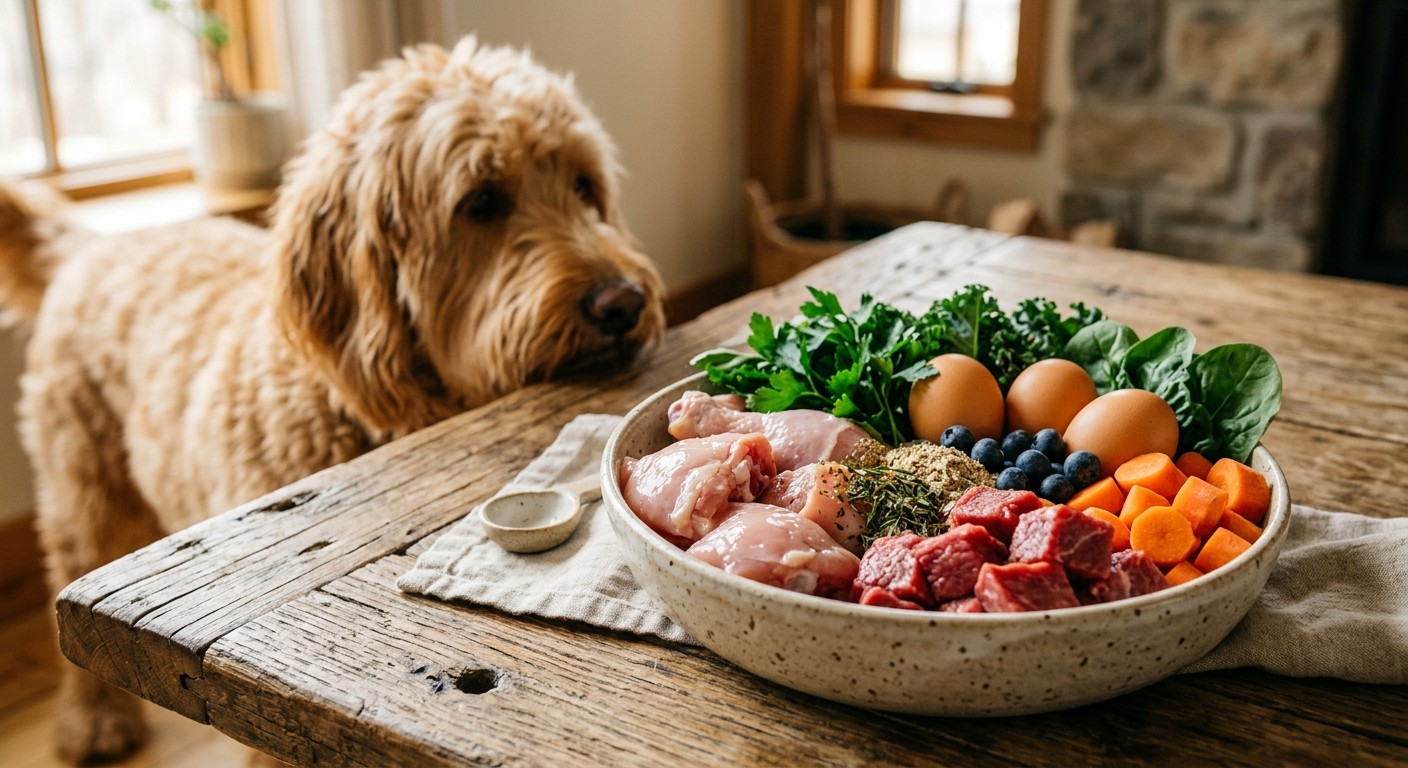
A raw dog diet—sometimes called BARF (Biologically Appropriate Raw Food or Bones and Raw Food)—is a feeding approach built around uncooked, minimally processed ingredients. We're talking raw muscle meat, organ meats, raw meaty bones, eggs, and sometimes fruits and vegetables. The idea is to mimic what my wild ancestors ate before kibble showed up in fancy bags.
The concept was popularized in the 1990s by Australian veterinarian Dr. Ian Billinghurst, who argued that adult dogs would thrive on the evolutionary diet they consumed before domestication. Since then, the raw diet dog food movement has exploded. Walk into any specialty pet store in your area, and you'll find freezers stocked with pre-made raw patties, freeze-dried raw toppers, and bone broth blends.
So why is it so popular? Advocates—including many dog parents I meet at the park—swear by shinier coats, healthier skin, cleaner teeth, smaller stools, and higher energy. And I'll be honest: when my mom Lacey opened a packet of freeze-dried raw food near me for the first time, my nose practically left my face. The smell alone told me this was something special.
But popularity doesn't automatically mean something is the right choice for every pup. Let me break down the full picture.
Potential Benefits of a Raw Dog Diet
Let's start with the good stuff, because there ARE reasons so many dog parents are exploring dog diet raw food options:
Improved Coat and Skin Health
This is the benefit I hear about most at dog parks near you. Many raw feeders report that their dogs develop noticeably shinier, softer coats within weeks. The theory? Raw diets are typically higher in natural fats and omega fatty acids from animal sources, which are bioavailable (that's a fancy word my mom taught me—it means my body can actually use them efficiently).
Better Dental Health
Chewing on raw meaty bones can act as nature's toothbrush. The gnawing and scraping action helps remove plaque and tartar buildup. I personally love a good chew session—it's like a spa day for my mouth. That said, bones come with their own risks (more on that below).
Smaller, Firmer Stools
Okay, we're going there. One of the most commonly reported benefits of a raw dog diet is that dogs produce less waste, and what they do produce is firmer and less smelly. This likely happens because raw diets tend to be more digestible with fewer fillers than some commercial kibbles. Your local park cleanup just got a little easier.
Higher Palatability
Let me put it this way: if you set a bowl of raw beef and organ meat next to a bowl of dry kibble, I know which one every dog in my neighborhood is choosing. Dogs on raw diets often eat with more enthusiasm, which can be helpful for picky eaters.
Potential Allergy Relief
Some dog parents turn to raw feeding because their pups struggle with food sensitivities. By controlling every single ingredient, you can run elimination diets more precisely. A raw diet dog food approach lets you know exactly what's going into your dog's bowl—no hidden ingredients, no mystery "animal by-products."
The Risks and Concerns: What the Science Actually Says
Now, here's where I put on my serious face (yes, I have one—it involves a slight head tilt and furrowed brow). My mom Lacey is big on evidence-based decisions, and the research on raw dog diets raises some legitimate concerns that every dog parent should understand.
Bacterial Contamination Is a Real Concern
This is the big one. Multiple peer-reviewed studies have found that raw pet food products carry significantly higher bacterial loads than processed alternatives. According to research published on NCBI/PMC, up to 80% of raw chicken diets tested positive for Salmonella, with 30% of dogs consuming them shedding Salmonella in their stool compared to 0% of dogs eating commercial dry food.
The U.S. Food and Drug Administration (FDA) has explicitly warned that raw pet foods are more likely to be contaminated with disease-causing bacteria like Salmonella and Listeria than other types of pet food. And here's the kicker: nearly half of infected dogs can appear completely healthy while still shedding these pathogens. That means your dog could be spreading bacteria around your home, your yard, and yes—your dog park—without showing any symptoms.
Risk to Humans in the Household
This isn't just about us dogs. The Cornell University Riney Canine Health Center found that 10% of canine raw food products contain Gram-negative bacteria producing ESBLs (extended-spectrum beta-lactamases)—that's antibiotic-resistant bacteria. The CDC linked these resistant strains to over 9,000 human hospitalization deaths in 2017. If you have young children, elderly family members, or immunocompromised individuals in your home, this risk becomes especially serious.
A study on therapy dogs found that raw-fed dogs had a Salmonella shedding rate of 0.61 cases per dog-year versus just 0.08 in non-raw feeders. That's why many hospitals and therapy organizations prohibit raw-fed dogs from participating in visits.
Nutritional Imbalances
Another concern highlighted by a comprehensive review on PMC is that homemade raw diets frequently fail to meet established nutritional guidelines. Dogs need precise ratios of calcium to phosphorus, adequate vitamin D, and balanced micronutrients. Without careful formulation, a raw dog diet can lead to deficiencies or excesses that cause serious health problems over time—including bone abnormalities, organ damage, and immune dysfunction.
Intestinal Inflammation
Research from Oklahoma State University's College of Veterinary Medicine found that dogs on raw meat diets showed higher intestinal inflammation markers and greater presence of pathogenic bacteria, even though systemic inflammation markers didn't differ significantly in healthy dogs. This suggests that even when a dog looks fine on the outside, the gut might be telling a different story.
How to Feed a Raw Dog Diet Safely (If You Choose To)
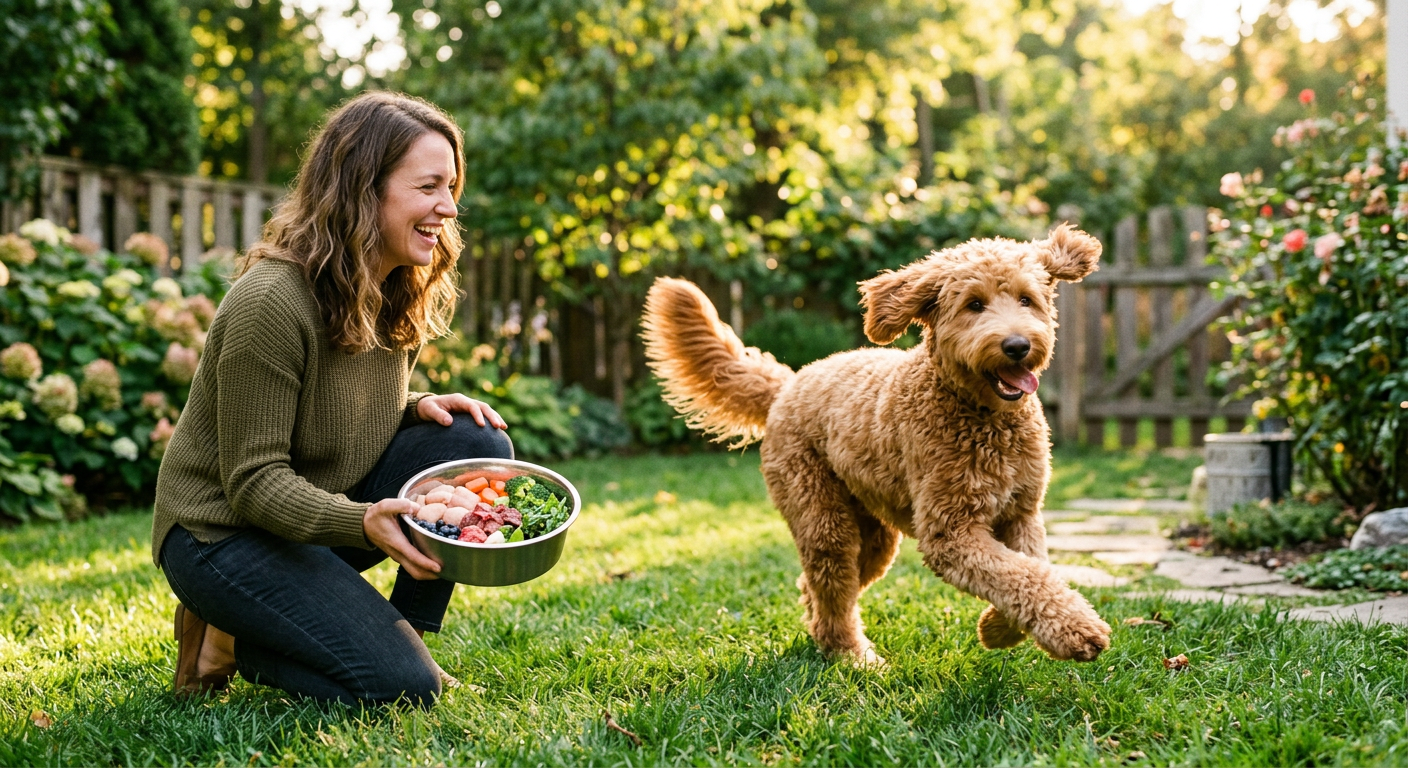
Look, I'm not here to tell you what to do—I'm a dog, not a dictator (though my mom Lacey might disagree when it comes to couch territory). If after weighing the evidence you decide a raw dog diet is right for your pup, here's how to minimize risks:
1. Work With a Veterinary Nutritionist
This is non-negotiable. A board-certified veterinary nutritionist can formulate a balanced raw diet specific to your dog's age, breed, size, and health status. Don't rely on internet recipes alone—the stakes are too high for guesswork.
2. Choose High-Quality, Human-Grade Ingredients
Source your raw meats from reputable suppliers. Look for human-grade quality when possible, and always check for recalls. If you're buying pre-made raw diet dog food, choose brands that follow AAFCO guidelines and conduct pathogen testing.
3. Practice Impeccable Food Safety
Treat raw dog food the same way you'd treat raw chicken for your own dinner:
- Store raw food frozen until use
- Thaw in the refrigerator, never on the counter
- Wash bowls, surfaces, and your hands thoroughly after every feeding
- Don't let raw food sit out for more than 15-20 minutes
- Designate specific cutting boards and utensils for raw pet food prep
A great stainless steel bowl set makes cleanup much easier and reduces bacterial harboring compared to plastic. I love the PEGGY11 Deep Stainless Steel Anti-Slip Dog Bowls—they're durable, dishwasher-safe, and won't slide across the kitchen while I'm enthusiastically eating.
4. Add a Probiotic Supplement
Since raw feeding can impact gut flora, adding a quality probiotic can support digestive health. My mom keeps Purina Pro Plan Veterinary Supplements FortiFlora on hand—it's veterinarian-recommended and easy to sprinkle on any meal.
5. Supplement Wisely
Most homemade raw diets need supplementation. Fish oil provides essential omega-3 fatty acids that support coat health, joint function, and brain health. The Zesty Paws Wild Alaskan Salmon Oil is a pump-top liquid that makes dosing easy and dogs (including this one) go absolutely bonkers for the taste.
6. Get Regular Veterinary Checkups
If you're feeding a raw dog diet, more frequent vet visits are smart. Blood panels and fecal testing can catch nutritional imbalances and pathogen shedding before they become problems.
Raw Feeding Options: DIY vs. Commercial Raw Dog Food
Not all raw feeding looks the same. Here are the main approaches:
Homemade Raw Diets
This is the full DIY route—you source, portion, and balance everything yourself. It offers maximum control but requires the most knowledge and effort. You'll need a nutritionist-designed recipe and likely several supplements.
Pre-Made Commercial Raw Diets
These come frozen or freeze-dried and are formulated to meet AAFCO nutritional standards. Brands like Stella & Chewy's, Primal, and Northwest Naturals do the balancing for you. They're more convenient but pricier than DIY.
For storage and meal prep, a dedicated food container keeps things organized and fresh. The IRIS USA Airtight Pet Food Storage Container is perfect for storing freeze-dried raw food or kibble toppers and keeping everything sealed and safe.
Raw Toppers and Mix-Ins
This middle-ground approach adds raw elements to a base of high-quality kibble or cooked food. It's a way to offer some raw benefits—like enhanced palatability and nutrient variety—without going all-in. Many dog parents in your area start here before deciding whether to commit fully.
What to Include in a Balanced Raw Dog Diet
If you're building a raw diet from scratch, here's a general framework (always confirmed by your vet or nutritionist):
| Component | Approximate % | Examples |
|---|---|---|
| Muscle Meat | 35-50% | Beef, chicken, turkey, lamb |
| Raw Meaty Bones | 10-15% | Chicken necks, turkey necks, duck frames |
| Organ Meat (Liver) | 5% | Beef liver, chicken liver |
| Organ Meat (Other) | 5% | Kidney, spleen, brain |
| Vegetables/Fruits | 10-15% | Spinach, broccoli, blueberries, pumpkin |
| Supplements | As needed | Fish oil, vitamin E, kelp, zinc |
A critical note on bones: Never feed cooked bones. Cooking makes bones brittle and prone to splintering, which can cause choking, intestinal punctures, and blockages. Raw bones are softer and more flexible, but they still carry risks—always supervise your dog during bone chewing. A safer alternative for dental benefits is the Nylabone Power Chew Textured Dog Chew Ring, which satisfies the chewing instinct without the splintering risk.
Who Should NOT Feed a Raw Dog Diet?
While raw feeding can work for some dogs, there are situations where it's generally not recommended:
- Puppies and senior dogs with developing or weakened immune systems
- Dogs with cancer, kidney disease, or liver disease who may be immunocompromised
- Therapy dogs or service dogs who regularly visit hospitals, nursing homes, or schools
- Households with young children, pregnant women, elderly, or immunocompromised members due to bacterial transmission risks
- Dogs with pancreatitis or other conditions requiring carefully controlled fat intake
If your dog falls into any of these categories, talk to your veterinarian before making any dietary changes. There are excellent high-quality cooked and commercial diets that can offer many of the same benefits without the heightened bacterial risks.
Transitioning to a Raw Dog Diet: A Step-by-Step Approach
If you've done your homework, consulted your vet, and decided to try a raw dog diet, don't switch overnight. Here's how my mom Lacey would approach a gradual transition:
- Days 1-3: Replace 25% of current food with raw food
- Days 4-6: Move to a 50/50 split
- Days 7-9: Increase to 75% raw
- Days 10-14: Full raw meals
During the transition, watch for digestive upset—loose stools, vomiting, or decreased appetite. Some adjustment is normal, but persistent issues warrant a vet call. Keep a feeding journal to track what you're offering and how your dog responds.
The Bottom Line on Raw Feeding
The raw dog diet is not a black-and-white issue. There are genuine potential benefits—improved coat quality, dental health, and palatability among them. But the scientific evidence also documents real risks, particularly around bacterial contamination, nutritional imbalances, and public health concerns.
The most responsible approach? Educate yourself thoroughly, work with veterinary professionals, practice rigorous food safety, and monitor your dog's health closely. Whether you go full raw, try raw toppers, or stick with a premium commercial diet, the best dog diet raw food plan is one that's balanced, safe, and tailored to YOUR dog's individual needs.
Well, friends, we made it through the full bowl—every last bite of information on the raw dog diet. Whether you're seriously considering the switch or just sniffing around the idea, I hope this guide helped you feel more confident about making the right choice for your pup. My mom Lacey always says that being a great dog parent means staying curious, asking questions, and never being afraid to consult the experts. I'd add that it also means giving belly rubs generously, but that's just my professional opinion.
If you found this guide helpful, share it with your dog park crew! And if you're looking for more parks, trails, and tail-wagging adventures near you, head over to doggieparknearme.com for all the sniff-worthy resources. Got questions? Drop them in the comments—I'll have Lacey type up my answers while I supervise from the couch.
Until next time, keep those tails wagging! 🐾
— Auggie
Frequently Asked Questions
Is a raw food diet better for your dog?
It depends on the individual dog and how the diet is implemented. Some dogs thrive on a properly balanced raw food diet, showing improvements in coat quality, energy levels, and dental health. However, a raw diet is not inherently 'better' for all dogs. Many high-quality commercial diets also meet nutritional needs excellently. The key factors are nutritional balance, food safety practices, and your dog's specific health profile. Always consult your veterinarian before making the switch.
Is it healthy to feed your dog a raw diet?
A raw diet can be healthy IF it's nutritionally complete and properly balanced—ideally formulated by a board-certified veterinary nutritionist. Research shows that many homemade raw diets fail to meet established nutritional guidelines, leading to potential deficiencies in calcium, vitamins, and essential minerals. When done correctly with proper supplementation and veterinary oversight, raw feeding can support good health. When done incorrectly, it can cause malnutrition and other health problems over time.
Is it safe to feed my dog a raw diet?
There are documented safety concerns with raw feeding. Studies show that up to 80% of raw chicken diets tested positive for Salmonella, and the FDA warns that raw pet foods carry higher contamination risks than processed alternatives. These bacteria can affect both your dog and human family members. You can reduce risks by sourcing high-quality ingredients, practicing strict food hygiene, and storing and handling raw food properly. Households with young children, elderly, or immunocompromised individuals should exercise extra caution.
Is a raw meat diet good for my dog?
Raw meat can provide excellent protein and natural nutrients for dogs, but meat alone is not a complete diet. Dogs need a balanced combination of muscle meat, organ meats, bones or calcium supplements, and certain fruits and vegetables to meet all their nutritional requirements. Research from Oklahoma State University found that dogs on raw meat diets showed higher intestinal inflammation markers, even when they appeared healthy externally. If you choose raw meat feeding, ensure the diet is properly balanced and monitored by a veterinary professional.
About Auggie
Hi, I'm Auggie! I'm a Golden Doodle who's been to more dog parks than most humans. My mom Lacey and I started Doggie Park Near Me to help every pup find their perfect park. When I'm not sniffing out new spots, you'll find me napping in the sun or begging for treats.
Learn more about us →More From Auggie

Grain-Free Dog Diet: Is It Really Better for Your Dog?
Is a grain-free dog diet really better for your pup? I'm Auggie the Golden Doodle, and I dug into the FDA research, vet recommendations, and real science to give you the honest truth. Spoiler: the answer might surprise you. Read on before you fill that bowl!

Dog Weight Management: How to Help Your Overweight Dog Lose Weight Safely
Hey friends, it's Auggie! I've been on my own weight management journey, and I'm sharing everything my mom Lacey and I learned about weight management dog food, safe weight loss plans, and how the right food can transform your overweight pup's life. Vet-backed tips inside!

High Protein Dog Food: Benefits, Risks, and Top Picks for Your Pup
Woof! I'm Auggie, and I'm digging into the world of high protein dog diets — the benefits, the risks, and my top food picks. From weight management to muscle building, discover whether a high protein diet dog food is right for your pup, plus expert tips and product recommendations!