
Dog Weight Management: How to Help Your Overweight Dog Lose Weight Safely
Okay, I'll be honest with you — I love food. Like, love love food. If my mom Lacey left a bag of kibble unattended, I'd eat until I looked like a furry beach ball. That's exactly why weight management dog food became a big topic in our house a while back. See, after one particularly indulgent holiday season (my grandma kept slipping me turkey under the table), my vet gave Lacey "the talk" about my waistline. No dog wants to hear that, trust me. But it turned out to be the best thing that ever happened to me. I got more energy, my joints felt better, and I could finally keep up with the young pups at the dog park near me. So today, I'm sharing everything my mom and I learned about helping an overweight dog get back to a healthy, tail-wagging weight. Grab a treat — just one, though — and let's dig in.
Why So Many Dogs Are Overweight (No Judgment, Friends)
Let me start by saying this: if your dog is carrying extra pounds, you're not a bad pet parent. According to the American Veterinary Medical Association (AVMA), an estimated 25-30% of dogs in the United States are overweight or obese. That's a lot of chunky pups! The reasons are simple and relatable — too many treats, not enough exercise, and portion sizes that are a little too generous.
I get it. When I look at my mom Lacey with those big golden eyes, she wants to give me more food. But love isn't measured in kibble, friends. Sometimes love looks like a properly portioned bowl of weight management dog food and a long walk through your favorite dog park in your area.
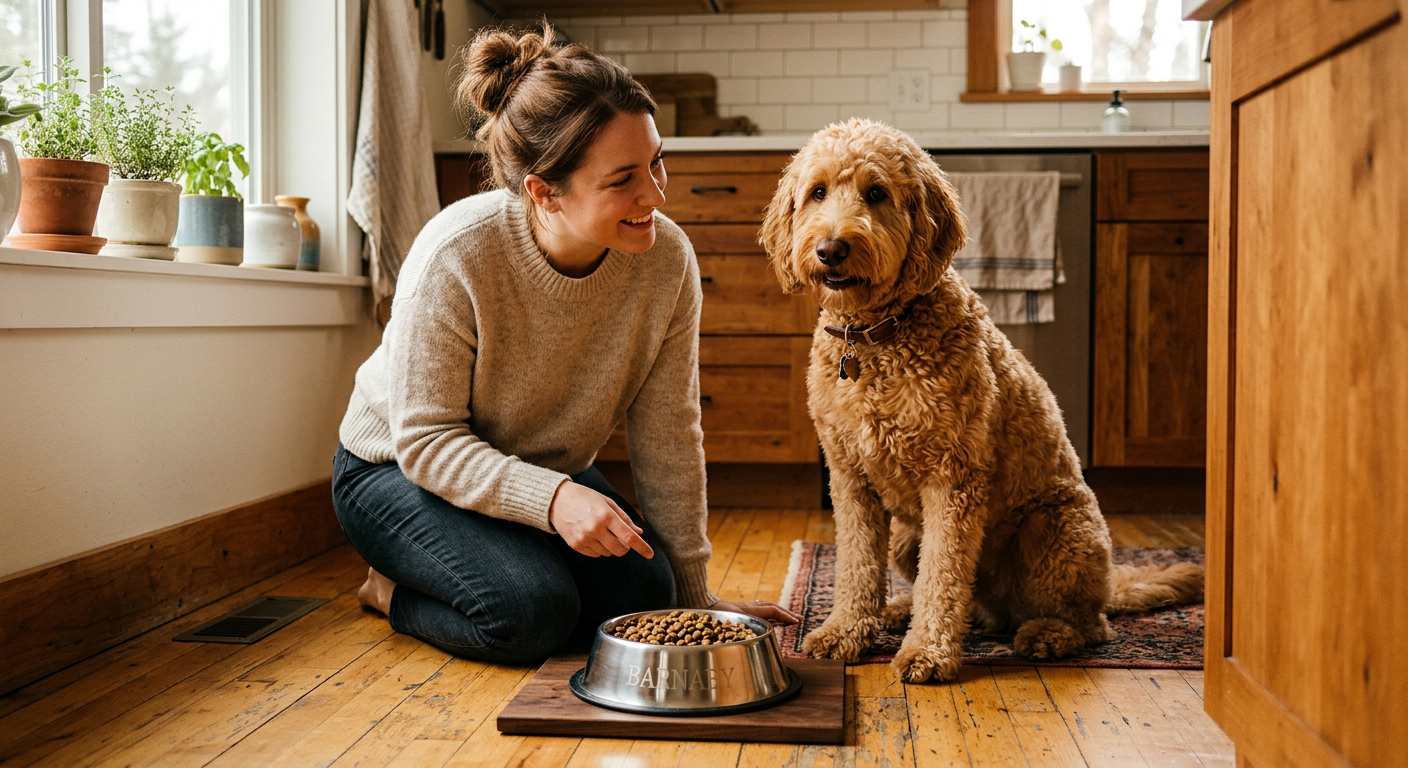
The health consequences of extra weight are serious. Overweight dogs face higher risks of:
- Joint problems and arthritis
- Diabetes
- Heart disease
- Decreased lifespan (by up to 2 years!)
- Reduced energy and mobility
- Respiratory issues
The good news? Weight management is completely achievable, and the right dog food weight management plan can transform your pup's life.
How to Know If Your Dog Is Overweight
Before you swap out the food bowl, let's figure out if your dog actually needs to lose weight. My vet taught Lacey a simple trick called the "rib test." Place your hands on your dog's sides — you should be able to feel their ribs without pressing hard. If you can't feel them at all, your pup might be carrying extra weight.
Here are some other signs to watch for:
- No visible waistline when viewed from above
- Sagging belly when viewed from the side
- Difficulty with stairs, jumping, or normal play
- Excessive panting during light activity
- Reluctance to walk or play at the dog park near you
According to Cornell University's College of Veterinary Medicine, your veterinarian can assign a Body Condition Score (BCS) on a scale of 1-9, with 4-5 being ideal. If your dog scores 6 or above, it's time to talk about a weight reduction plan.
The most important first step? Visit your vet. Seriously. My mom Lacey scheduled an appointment before making any changes, and that made all the difference. Some medical conditions like hypothyroidism can cause weight gain, so you want to rule those out first.
What Makes Weight Management Dog Food Different
Now, I know what you're thinking: "Can't I just feed less of the regular food?" I thought the same thing! But here's what I learned — simply reducing portions of regular dog food can leave your pup nutrient-deficient and miserable. Trust me, a hangry dog is not a happy dog.
Weight management dog food is specifically formulated to:
- Reduce calories without reducing volume — so your dog still feels satisfied after meals
- Increase fiber content — which promotes fullness and healthy digestion
- Boost protein levels — to preserve lean muscle mass while losing fat
- Maintain essential nutrients — so your dog gets everything they need on fewer calories
According to VCA Animal Hospitals, purpose-formulated veterinary weight-loss foods typically contain approximately 300 calories per cup, allowing dogs to eat adequate volume while maintaining satiety. That's significantly less calorie-dense than standard adult dog food, which often packs 350-500 calories per cup.
Research highlighted by the Purina Institute shows that increased dietary protein spares lean body mass and facilitates greater fat loss during weight loss compared to lower-protein diets. This is huge, friends. You want your dog losing fat, not muscle.
Choosing the Best Weight Management Dog Food
Alright, this is the part where I get to play food critic — my favorite role besides Professional Stick Finder. Not all weight management dog foods are created equal, so here's what to look for when shopping for the best weight management dog food:
Key Ingredients to Look For
- High-quality animal protein as the first ingredient (chicken, turkey, salmon, beef)
- Fiber-rich ingredients like sweet potatoes, pumpkin, or brown rice
- L-carnitine — an amino acid that helps convert fat to energy
- Omega-3 fatty acids for joint support and a shiny coat
- Glucosamine and chondroitin for joint health (extra important for overweight dogs)
Ingredients to Avoid
- Corn syrup or added sugars
- Artificial colors and preservatives
- Excessive fillers with no nutritional value
- Vague terms like "meat meal" or "animal by-products"
Here are some products that my mom Lacey and I have researched extensively and that get great reviews from other dog parents:
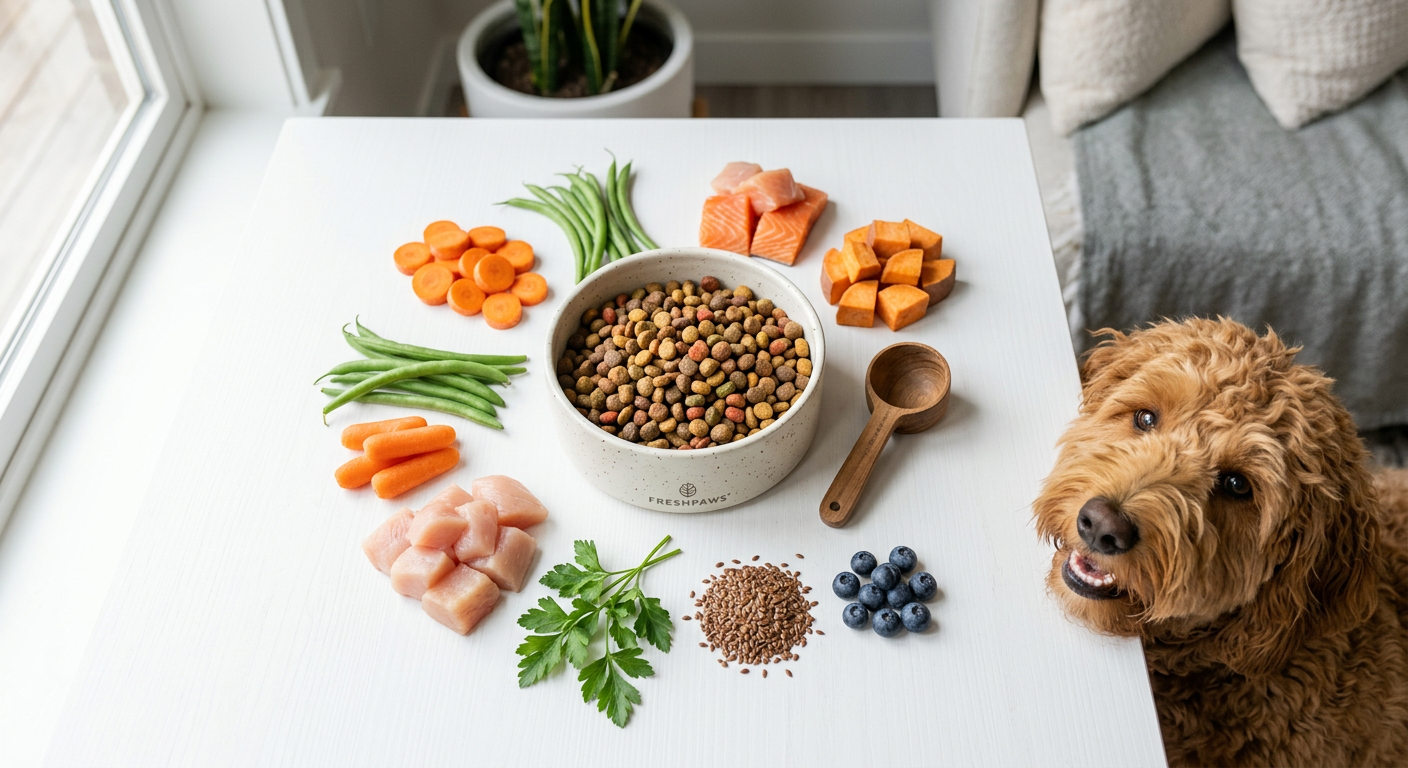
For a solid everyday option, the Blue Buffalo Life Protection Healthy Weight Dog Food features deboned chicken as its first ingredient and is formulated with L-carnitine to support healthy weight loss. It's one of the most popular choices in the weight management category, and I can confirm it tastes pretty darn good.
If your vet recommends a therapeutic diet, Hill's Science Diet Perfect Weight Dog Food is clinically proven to help dogs achieve a healthy weight within 10 weeks. It's packed with lean protein and prebiotic fiber.
For pups who love variety, Nutro Natural Choice Healthy Weight Adult Dog Food uses real chicken and brown rice with no artificial flavors, colors, or preservatives. My friend at the dog park near me is on this one and looks amazing.
Creating a Weight Loss Plan That Actually Works
Switching to weight management dog food is an important step, but it's just one piece of the puzzle. Let me walk you through the complete plan that worked for me.
Step 1: Get Your Vet's Guidance
I can't stress this enough. Your vet will calculate your dog's ideal weight, determine daily caloric needs, and recommend a safe rate of weight loss. According to VCA Animal Hospitals, dogs should lose 1-2% of their body weight per week through gradual caloric restriction. This preserves lean muscle mass and reduces the risk of rebound weight gain.
For a 60-pound dog aiming to lose weight, that's roughly 0.6-1.2 pounds per week. Slow and steady wins the race, friends!
Step 2: Measure Everything Precisely
This is where most pet parents go wrong — myself included (well, Lacey included). Eyeballing portions is a recipe for overfeeding. My mom invested in a INEVIFIT Digital Kitchen Scale and started measuring my food in grams rather than cups. Veterinarians actually recommend weighing food in grams per day for precise measurement accuracy.
The FDA and AAHA nutritional assessment guidelines recommend adjusting daily food intake every 4 weeks based on your dog's progress. Lacey keeps a little notebook on the fridge to track my weight and food amounts.
Step 3: Control Those Treats
Okay, this one hurts to write, but it's important. Treats should make up no more than 10% of your dog's daily caloric intake. That means if your dog eats 600 calories per day, only 60 calories should come from treats.
Instead of high-calorie biscuits, try these lower-calorie alternatives:
- Baby carrots (about 4 calories each — I love them!)
- Green beans (frozen ones are great for teething too)
- Apple slices (no seeds!)
- Small pieces of plain cooked chicken
- Blueberries (nature's tiny treats)
For training sessions, I love the Zuke's Mini Naturals Dog Treats — they're only about 3 calories per treat, so they won't blow my calorie budget.
Step 4: Increase Exercise Gradually
Exercise is the other half of the weight management equation. But if your dog is significantly overweight, don't go from couch potato to marathon runner overnight. Start slow:
- Week 1-2: Add 5-10 extra minutes to daily walks
- Week 3-4: Introduce gentle play sessions
- Week 5+: Gradually increase duration and intensity
- Ongoing: Visit your local dog park regularly for natural, joyful exercise
Swimming is particularly excellent for overweight dogs because it's low-impact on joints. If there's a dog-friendly swimming spot or beach near you, take advantage of it!
Step 5: Feed Smaller, More Frequent Meals
Instead of one or two big meals, try splitting your dog's daily food allowance into 3-4 smaller meals. This keeps metabolism active and prevents the "starving and stuffing" cycle. Lacey feeds me breakfast, a small midday portion, and dinner — and honestly, I feel like I'm eating MORE even though the total amount is the same.
Common Weight Management Mistakes to Avoid
I've seen a lot of well-meaning dog parents at the park make these mistakes. Let's learn from them:
Mistake #1: Going too fast. Crash dieting is as bad for dogs as it is for humans. Rapid weight loss can cause liver problems (hepatic lipidosis) and muscle wasting. Stick to that 1-2% per week guideline.
Mistake #2: Forgetting about other family members. If grandma is still sneaking table scraps, your weight management plan is doomed. Lacey had to have a family meeting about my diet, and everyone needed to be on the same page.
Mistake #3: Not accounting for dental chews and supplements. Those daily dental sticks and pill pockets have calories too! Factor everything into the daily count.
Mistake #4: Giving up too soon. Weight loss takes time. If you don't see results in the first two weeks, don't switch foods or abandon the plan. Talk to your vet about adjustments.
Mistake #5: Skipping regular weigh-ins. Cornell University recommends regular veterinary weigh-ins to ensure your dog is losing weight at a healthy rate and to make necessary dietary adjustments.
How Long Does Dog Weight Loss Take?
Patience is key, friends (and patience is NOT my strong suit when there's a squirrel nearby). Here's a realistic timeline:
- Weeks 1-2: Your dog adjusts to the new food and routine. You may not see visible changes yet.
- Weeks 3-6: Weight loss becomes measurable at vet check-ins. Energy levels start improving.
- Weeks 7-12: Visible changes! You might need to adjust portions as your dog's caloric needs change.
- Months 3-6: Depending on how much weight your dog needs to lose, you should be approaching the goal weight.
- Ongoing: Transition to a maintenance plan to keep the weight off permanently.
For me, it took about four months to reach my ideal weight. And let me tell you — the difference was incredible. I was running faster, playing longer, and my mom Lacey said I seemed like a puppy again. That's the power of proper dog food weight management.
Transitioning to Weight Management Food
Don't just swap foods overnight — that's a recipe for an upset tummy (and some very unfortunate carpet situations, if you know what I mean). Here's the transition schedule my vet recommended:
| Day | Old Food | New Weight Management Food |
|---|---|---|
| 1-2 | 75% | 25% |
| 3-4 | 50% | 50% |
| 5-6 | 25% | 75% |
| 7+ | 0% | 100% |
If your dog has a sensitive stomach, extend this to 10-14 days. Watch for signs of digestive upset like loose stools, vomiting, or excessive gas.
Beyond the Bowl: Lifestyle Changes for Lasting Results
The best weight management dog food in the world won't help if the overall lifestyle doesn't support healthy weight. Here are some extra tips my mom Lacey and I swear by:
- Use puzzle feeders to slow down eating and provide mental stimulation
- Set a consistent feeding schedule — no free-feeding from a constantly full bowl
- Track progress with photos and weigh-ins every 2-4 weeks
- Celebrate milestones with non-food rewards like a new toy or extra park time
- Find a walking buddy — accountability works for dogs and humans alike
- Explore new trails and dog parks near you to keep exercise fun and exciting
Listen, I know this is a lot of information, but if there's one thing I want you to take away from this post, it's this: helping your dog reach a healthy weight is one of the most loving things you can do for them. Switching to weight management dog food, controlling portions, increasing exercise, and working closely with your vet can add years to your best friend's life — and make those years so much more joyful.
I'm living proof. Thanks to my mom Lacey's dedication and a solid weight management plan, I'm healthier, happier, and can outrun every doodle at the dog park near me. Your dog deserves that same feeling.
So talk to your vet, pick up one of the foods I recommended, and start your pup's journey today. And hey, if you see a fluffy Golden Doodle absolutely crushing it at the park, come say hi — it might just be me! 🐾
Wags and wellness, Auggie
Frequently Asked Questions
What is the best dog food for weight loss?
The best dog food for weight loss is one specifically formulated for weight management that's high in protein, high in fiber, and lower in calories — typically around 300 calories per cup. Brands like Hill's Science Diet Perfect Weight and Blue Buffalo Healthy Weight are popular choices. However, the absolute best option for your individual dog depends on their breed, age, activity level, and any health conditions, so always consult your veterinarian before switching foods.
What's the best food to help dogs lose weight?
Purpose-formulated weight management dog food is the best option because it allows your dog to eat adequate volume while consuming fewer calories. These foods are enriched with protein to preserve lean muscle mass, fiber to promote fullness, and essential nutrients to prevent deficiencies. Supplementing with low-calorie treats like baby carrots, green beans, and blueberries can also help. Your vet can recommend a specific therapeutic diet if your dog needs to lose a significant amount of weight.
Does weight management dog food work?
Yes, weight management dog food works when used as part of a comprehensive plan that includes proper portion control, regular exercise, and veterinary supervision. Studies show that dogs on purpose-formulated weight-loss diets with higher protein content lose more fat while preserving lean muscle compared to dogs simply eating less regular food. The key is consistency — measuring food precisely, limiting treats to 10% of daily calories, and adjusting portions every 4 weeks based on progress.
What do vets recommend for overweight dogs?
Veterinarians typically recommend a multi-step approach for overweight dogs: a thorough health exam to rule out medical causes of weight gain, a switch to a veterinary-approved weight management diet, precise caloric restriction with measured portions, a gradual increase in physical activity, and regular weigh-in appointments every 2-4 weeks. Most vets recommend a safe weight loss rate of 1-2% of body weight per week. They may prescribe a therapeutic weight-loss diet like Hill's Metabolic or Royal Canin Satiety if over-the-counter options aren't sufficient.
About Auggie
Hi, I'm Auggie! I'm a Golden Doodle who's been to more dog parks than most humans. My mom Lacey and I started Doggie Park Near Me to help every pup find their perfect park. When I'm not sniffing out new spots, you'll find me napping in the sun or begging for treats.
Learn more about us →More From Auggie

Grain-Free Dog Diet: Is It Really Better for Your Dog?
Is a grain-free dog diet really better for your pup? I'm Auggie the Golden Doodle, and I dug into the FDA research, vet recommendations, and real science to give you the honest truth. Spoiler: the answer might surprise you. Read on before you fill that bowl!

High Protein Dog Food: Benefits, Risks, and Top Picks for Your Pup
Woof! I'm Auggie, and I'm digging into the world of high protein dog diets — the benefits, the risks, and my top food picks. From weight management to muscle building, discover whether a high protein diet dog food is right for your pup, plus expert tips and product recommendations!

Organic Dog Food: Is It Worth the Extra Cost?
Is organic healthy dog food worth the extra kibble cash? I'm Auggie the Golden Doodle, and I've been my mom Lacey's taste-tester for years. Let me break down what organic really means, which ingredients matter most, and my top product picks to help your pup thrive!