
Organic Dog Food: Is It Worth the Extra Cost?
Hey there, fellow four-legged friends and the wonderful humans who feed us! It's me, Auggie — your favorite Golden Doodle blogger, treat connoisseur, and self-appointed expert on all things that go into my bowl. Today we're sniffing out one of the biggest debates in the dog food aisle: is organic healthy dog food actually worth those extra dollars, or is it just fancy marketing wrapped in a prettier bag?
Look, I'll be honest — I'd eat a sock if my mom Lacey wasn't watching. But she's done a lot of research to make sure my meals are packed with the good stuff, and I've never felt better. My coat is fluffier than a cloud, my zoomies are legendary, and my vet says I'm the picture of health. Coincidence? I think not. So whether you're a curious pup parent browsing the pet food aisle near you or a seasoned dog nutrition nerd, pull up a paw and let's dig into the real deal about organic dog food — what it means, what to look for, and whether it deserves a spot in your cart.
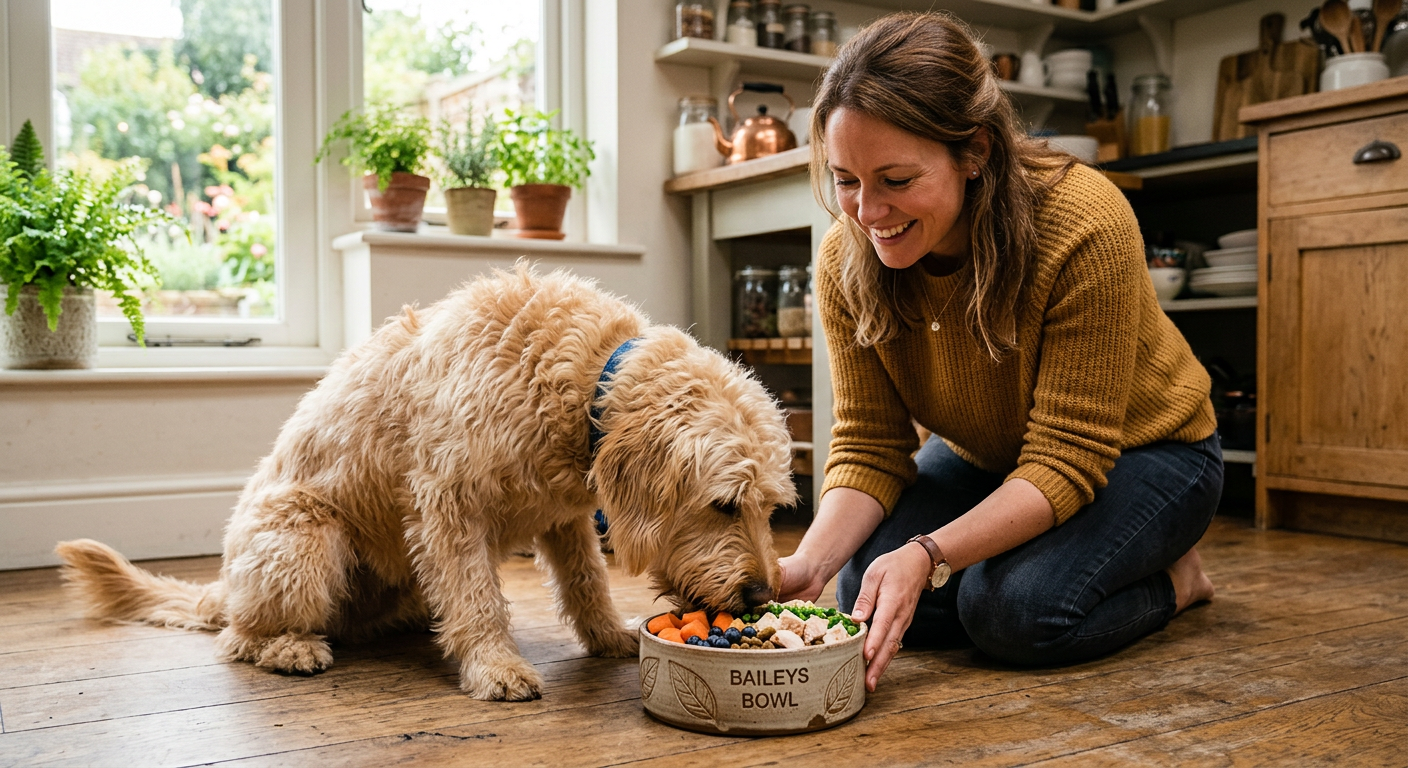
What Does "Organic" Actually Mean for Dog Food?
Before we start wagging our tails about organic healthy dog food, let's get clear on what "organic" actually means. It's not just a buzzword to make your wallet lighter — there are real standards behind it.
In the United States, for a dog food to be labeled "organic," it must comply with the USDA's National Organic Program. That means:
- No synthetic pesticides or fertilizers on crops used in the food
- No artificial preservatives, colors, or flavors
- No genetically modified organisms (GMOs)
- Animals raised for meat must be given organic feed and have access to the outdoors
- No antibiotics or growth hormones in animal protein sources
Now, here's where it gets a little tricky. There are different levels of organic labeling:
- "100% Organic" — Every single ingredient is certified organic
- "Organic" — At least 95% of ingredients are organic
- "Made with Organic Ingredients" — At least 70% of ingredients are organic
So when you see "organic" on a bag of dog food near you at the pet store, flip it over and read the fine print. My mom Lacey always says, "If Auggie can't read the label, I'll read it for him" — and honestly, I appreciate her dedication.
Why Quality Ingredients Matter: The Case for Organic Healthy Dog Food
Let's get down to the meaty stuff — pun absolutely intended. The reason organic healthy dog food has gained so much traction is because the quality of ingredients directly impacts our health. And I'm not just saying that because I want the good stuff.
According to the American Kennel Club (AKC), high-quality proteins like humanely raised chicken, grass-fed beef, and wild-caught salmon provide essential omega-3 fatty acids that support skin health, coat quality, and nutrient absorption — far outperforming byproducts and fillers.
Here's what organic dog food typically offers that conventional options might not:
Better Protein Sources
Organic dog foods generally use whole meats as their first ingredient — think real chicken, beef, or fish that haven't been pumped full of antibiotics. In conventional foods, you might find "meat meal" or "animal byproducts," which can include less desirable parts like hooves and beaks. No offense to chickens, but I don't want to eat their feet.
No Synthetic Additives
Those artificial colors and preservatives like BHA, BHT, and ethoxyquin? Organic formulas skip them entirely. Instead, they use natural preservatives like mixed tocopherols (that's fancy talk for vitamin E).
Non-GMO Fruits and Vegetables
The AKC also notes that non-GMO fruits and vegetables such as pumpkins, apples, and carrots add vitamins, minerals, and fiber without common allergens like soy or wheat, which can trigger flare-ups in sensitive pups. As a Doodle, my skin can be a bit dramatic — so avoiding those triggers has been a game-changer for me.
Healthy Fats
Coconut oil, flaxseed, and fish oils provide omega-3 and omega-6 fatty acids that make my coat so fluffy people stop my mom Lacey on walks to pet me. Every. Single. Time.
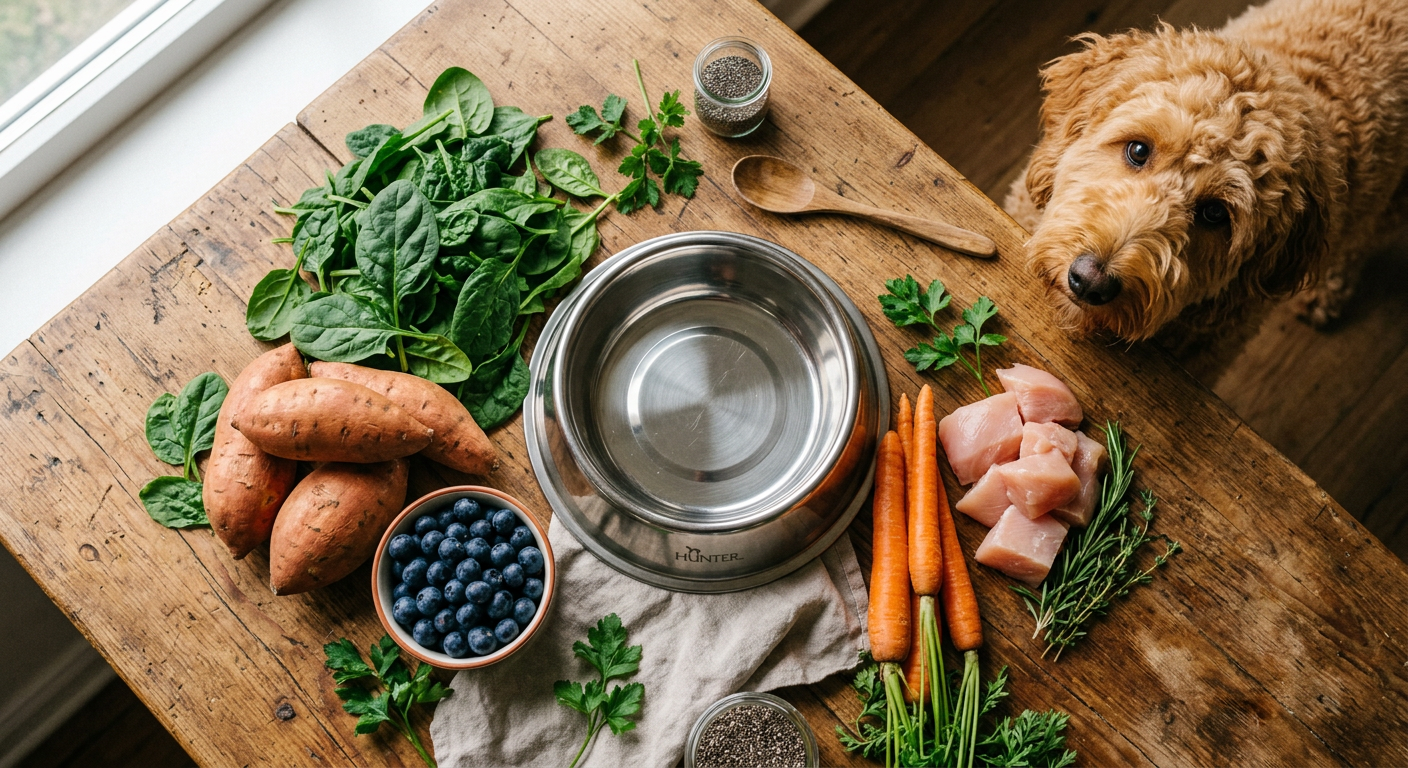
Organic Dog Food vs. Conventional: Breaking Down the Differences
Let's put organic healthy dog food head-to-head with conventional options so you can see the real differences:
| Feature | Organic Dog Food | Conventional Dog Food |
|---|---|---|
| Protein Source | Whole meats, grass-fed, free-range | Meat meals, byproducts |
| Preservatives | Natural (vitamin E, rosemary) | May include BHA, BHT |
| Grains | Ancient grains (oats, quinoa) or grain-free | Corn, soy, wheat fillers |
| Fruits/Veggies | Non-GMO, organic produce | May include GMO crops |
| Artificial Colors/Flavors | None | Often present |
| Price Range | $$ - $$$ | $ - $$ |
| AAFCO Compliant | Yes (good brands) | Yes (good brands) |
Now, I want to be fair here. Not all conventional dog food is bad, and not all organic dog food is automatically great. The ASPCA emphasizes that a balanced diet with appropriate proteins, fats, carbohydrates, vitamins, and minerals is essential for a dog's cell maintenance, growth, and overall health — regardless of whether it carries an organic label.
The key is reading labels, understanding what your individual dog needs, and choosing the best you can afford. As the AKC points out, dog food selection should factor in individual needs like age, health conditions, and preferences, prioritizing complete nutrition tailored to your specific pet.
What to Look for in Organic Healthy Dog Food
Alright, so you're convinced that organic healthy dog food might be worth exploring. But how do you pick the right one? Here's my checklist — well, Lacey's checklist that I supervise from the couch:
1. Real Meat as the First Ingredient
Look for specific proteins like "organic chicken," "grass-fed beef," or "wild-caught salmon." If the first ingredient is vague ("meat meal," "animal digest"), put that bag back on the shelf.
2. AAFCO Statement of Nutritional Adequacy
According to ASPCApro, commercial dog foods meeting AAFCO guidelines ensure balanced nutrition. Always look for the AAFCO statement on the bag — it confirms the food meets minimum nutritional standards for your dog's life stage.
3. Wholesome Carbohydrates
Sweet potatoes, brown rice, oats, and quinoa are excellent sources of sustained energy. Avoid foods heavy on corn, soy, and wheat — those are cheap fillers that don't do us dogs many favors.
4. Added Superfoods and Supplements
The best organic dog foods include extras like:
- Probiotics and prebiotics (chicory root is a great one) for digestive health
- Glucosamine and chondroitin for joint support, especially important for larger breeds and seniors
- DHA from fish sources for brain development in puppies
5. USDA Organic Certification
Look for the actual USDA Organic seal — not just marketing language like "natural" or "wholesome," which aren't regulated the same way.
Top Organic Dog Food Products Worth Trying
My mom Lacey has tested several organic and high-quality options on yours truly (tough job, I know), and here are some favorites that you can find near you or order online:
For everyday nutrition, the Castor & Pollux Organix Organic Dry Dog Food is one of the most trusted USDA-certified organic kibbles out there. It features free-range organic chicken as the first ingredient with no artificial preservatives, and my tail goes absolutely bonkers when Lacey pours it in my bowl.
For pups with sensitive stomachs, the Blue Buffalo Basics Limited Ingredient Grain-Free Dog Food is a fantastic choice. While not fully organic, it uses high-quality, limited ingredients that eliminate common allergens — perfect for dogs in your area who deal with food sensitivities.
For a nutritional boost on top of your regular food, I'm obsessed with the Zesty Paws Multifunctional 8-in-1 Bites. These soft chews include glucosamine, probiotics, omega fatty acids, and vitamins — basically a multivitamin that tastes like a treat. Genius.
For fresh, wholesome meals delivered to your door, the Honest Kitchen Whole Grain Chicken Recipe Dehydrated Dog Food is made with human-grade ingredients and free-range chicken. You just add water, and boom — a warm, delicious meal that'll make your pup think they're dining at a five-star restaurant.
For training treats that match your organic lifestyle, the Riley's Organic Dog Treats are USDA certified organic, made in small batches, and perfect for rewarding good behavior at the dog park near you. I may or may not do extra tricks when I smell these coming out of the bag.
Is Organic Dog Food Worth the Extra Cost? An Honest Assessment
Okay, let's talk about the elephant in the room — or should I say, the price tag on the bag. Organic healthy dog food typically costs 20-40% more than conventional options. So is it worth it?
Here's my honest, tail-between-my-legs-if-I'm-wrong take:
When It's Absolutely Worth It:
- Dogs with allergies or food sensitivities — Organic foods eliminate many common triggers
- Dogs with chronic skin issues — Better fats and fewer chemicals can transform coat and skin health
- Puppies and senior dogs — Their developing or aging bodies benefit most from premium nutrition
- Dogs with compromised immune systems — Fewer pesticides and additives mean less stress on their bodies
When Conventional Might Be Just Fine:
- Healthy adult dogs with no known sensitivities — A high-quality conventional food that meets AAFCO standards can be perfectly adequate
- Budget constraints — A good conventional food beats a bad organic one every time
- Dogs who are already thriving — If your current food is working great, don't fix what isn't broken
The truth is, the "organic" label alone doesn't guarantee a food is healthy. I've seen organic dog foods with questionable ingredient lists and conventional foods with stellar nutrition profiles. What matters most is the actual ingredients, whether they meet AAFCO standards, and whether your individual dog thrives on them.
How to Transition to Organic Healthy Dog Food
If you've decided to make the switch, don't just swap bowls overnight — unless you want your dog to have an upset tummy and give you The Look. Trust me, my mom Lacey learned this the hard way when she upgraded my food.
Here's the gradual transition plan that worked for us:
- Days 1-3: 75% old food, 25% new organic food
- Days 4-6: 50% old food, 50% new organic food
- Days 7-9: 25% old food, 75% new organic food
- Day 10+: 100% new organic food
Watch for signs of digestive upset like loose stools, gas (I'm a gentleman, so I won't elaborate), or decreased appetite. If any of these persist beyond the transition period, the new food might not be the right fit — and that's okay. Every dog is different.
Tips for Finding the Best Organic Dog Food Near You
Not sure where to find quality organic healthy dog food in your area? Here are some tips:
- Local pet specialty stores often carry a wider selection of organic and premium brands than big box retailers
- Farmers markets in some areas feature local, small-batch organic dog food and treats
- Online retailers like Amazon offer a massive selection with reviews from other pet parents — and you can have it delivered right to your door
- Ask your veterinarian — they can recommend specific brands that work well for your dog's breed, age, and health conditions
- Join local dog park groups on social media — other pup parents near you are a goldmine of recommendations
Speaking of dog parks, my favorite thing is when humans at the park start swapping food recommendations while we dogs are busy doing important things like sniffing butts and chasing each other. The dog park community near you is one of the best resources for real-world product reviews!
So, is organic healthy dog food worth the extra cost? After years of being my mom Lacey's willing (and very enthusiastic) taste tester, here's my final verdict: for many dogs, yes — especially if you notice improvements in energy, coat quality, digestion, and overall vitality. The investment in better ingredients today can mean fewer vet bills and more years of tail-wagging happiness tomorrow.
But remember, the best food for your dog is the one that meets their unique needs, fits your budget, and makes them excited to eat. Whether you go fully organic, partially organic, or simply upgrade to a higher-quality conventional option, you're already a great pup parent for doing the research.
Want more tips on dog nutrition, the best dog parks near you, and lifestyle advice from a pup who's living his best life? Explore more posts right here on doggieparknearme.com and follow along for all my latest adventures. Now if you'll excuse me, I hear the treat bag rustling. 🐾
Paws and love, Auggie
Frequently Asked Questions
What is the healthiest most natural dog food?
The healthiest, most natural dog food features real, whole-meat protein (like free-range chicken, grass-fed beef, or wild-caught salmon) as the first ingredient, non-GMO fruits and vegetables, healthy fats from sources like fish oil and coconut oil, and zero artificial preservatives, colors, or fillers. Look for USDA Organic certification and an AAFCO statement of nutritional adequacy. Brands like Castor & Pollux Organix and The Honest Kitchen consistently rank among the best for clean, natural ingredients. Remember, the healthiest food is one tailored to your specific dog's age, breed, and health needs.
What dog food is good for hyperlipidemia?
Dogs with hyperlipidemia (high blood fat levels) benefit from a low-fat, high-fiber diet. Look for dog foods with lean protein sources like skinless chicken or turkey, and avoid high-fat ingredients like lamb or excessive fish oils. Foods with added fiber from sources like pumpkin, sweet potato, and brown rice can help manage lipid levels. Always consult your veterinarian before switching your dog's food for a medical condition — they may recommend a prescription diet specifically formulated for lipid management, and they can monitor your pup's blood levels to ensure the new diet is working.
Is a scrambled egg good for a dog?
Yes! Scrambled eggs can be a healthy, protein-packed snack for dogs when prepared simply — no butter, oil, salt, or seasonings. Eggs are rich in protein, fatty acids, vitamins A and B12, iron, and selenium. They can support coat health and provide an easy-to-digest protein boost, especially for dogs with upset stomachs. However, eggs should be a supplement to a balanced diet, not a replacement for complete dog food. Start with small portions to make sure your dog tolerates them well, and always cook eggs thoroughly to eliminate any risk of salmonella.
What is the number one healthiest food for dogs?
While there's no single "number one" food that works for every dog, most veterinary nutritionists agree that high-quality, complete-and-balanced dog food with real meat protein as the primary ingredient is the gold standard. If we're talking about individual superfoods to add to your dog's diet, wild-caught salmon is often cited as one of the best — it's packed with omega-3 fatty acids for brain health, coat quality, and anti-inflammatory benefits. Blueberries, pumpkin, and sweet potatoes are also excellent whole-food additions. The key is a balanced diet that meets AAFCO standards and is appropriate for your dog's life stage.
How can I tell if my dog's food is truly organic?
The most reliable way to verify that your dog's food is truly organic is to look for the USDA Organic seal on the packaging. This certification means the product has been verified to meet strict federal organic standards. Be cautious of marketing terms like "natural," "wholesome," or "premium" — these aren't regulated the same way and don't guarantee organic ingredients. You can also check the ingredient list: certified organic products will specify "organic" before individual ingredients (e.g., "organic chicken," "organic brown rice"). When in doubt, visit the brand's website for their certification details.
Is organic dog food safe for puppies?
Yes, organic dog food can be excellent for puppies — as long as it's specifically formulated for puppy nutrition. Puppies have different nutritional needs than adult dogs, including higher protein and fat requirements and essential nutrients like DHA (from fish sources) for brain development. Look for organic puppy formulas that carry an AAFCO nutritional adequacy statement for "growth" or "all life stages." Avoid feeding puppy food labeled only for adult maintenance, whether organic or not, as it won't meet a growing pup's needs. Always consult your vet when choosing your puppy's first food.
About Auggie
Hi, I'm Auggie! I'm a Golden Doodle who's been to more dog parks than most humans. My mom Lacey and I started Doggie Park Near Me to help every pup find their perfect park. When I'm not sniffing out new spots, you'll find me napping in the sun or begging for treats.
Learn more about us →More From Auggie

Grain-Free Dog Diet: Is It Really Better for Your Dog?
Is a grain-free dog diet really better for your pup? I'm Auggie the Golden Doodle, and I dug into the FDA research, vet recommendations, and real science to give you the honest truth. Spoiler: the answer might surprise you. Read on before you fill that bowl!

Dog Weight Management: How to Help Your Overweight Dog Lose Weight Safely
Hey friends, it's Auggie! I've been on my own weight management journey, and I'm sharing everything my mom Lacey and I learned about weight management dog food, safe weight loss plans, and how the right food can transform your overweight pup's life. Vet-backed tips inside!

High Protein Dog Food: Benefits, Risks, and Top Picks for Your Pup
Woof! I'm Auggie, and I'm digging into the world of high protein dog diets — the benefits, the risks, and my top food picks. From weight management to muscle building, discover whether a high protein diet dog food is right for your pup, plus expert tips and product recommendations!