
High Protein Dog Food: Benefits, Risks, and Top Picks for Your Pup
Woof woof, friends! It's me, Auggie — your favorite Golden Doodle food critic and self-proclaimed nutrition enthusiast. If there's one thing I know about, it's food. I think about it when I wake up, when I nap, and especially when my mom Lacey is cooking dinner and I'm strategically positioned near the kitchen counter. Today, I want to bark about something that's been getting a lot of attention in the dog world: the high protein dog diet. Whether you've seen flashy packaging at the pet store or your vet has mentioned bumping up protein, it can be confusing to figure out what's actually best for your four-legged friend. I've done the research (okay, Lacey helped), I've taste-tested more kibble than I can count, and I'm ready to break it all down — the benefits, the risks, and my top product picks to help you find the perfect high protein diet dog food for your pup.
What Exactly Is a High Protein Dog Diet?
Let's start with the basics, because I know not every pup parent speaks fluent nutrition label. According to the Merck Veterinary Manual, adult dogs need a minimum of 18% protein on a dry matter basis per AAFCO guidelines, while growing puppies need at least 22.5%. These are the floors, not the ceilings.
A high protein dog diet generally refers to any food that contains 30% or more protein on a dry matter basis. Some premium brands push well past 35% or even 40%. But here's the thing — and this is something my mom Lacey always reminds me — more isn't automatically better. As PetMD notes, exceeding 30% protein doesn't necessarily offer additional benefits and may even risk nutritional imbalances if the rest of the diet isn't properly formulated.
So the sweet spot? It depends entirely on your dog's age, activity level, health status, and breed. A high protein diet dog food that's perfect for an athletic Border Collie might be overkill for a senior Basset Hound who considers walking to the food bowl a workout. (No judgment — I have days like that too.)
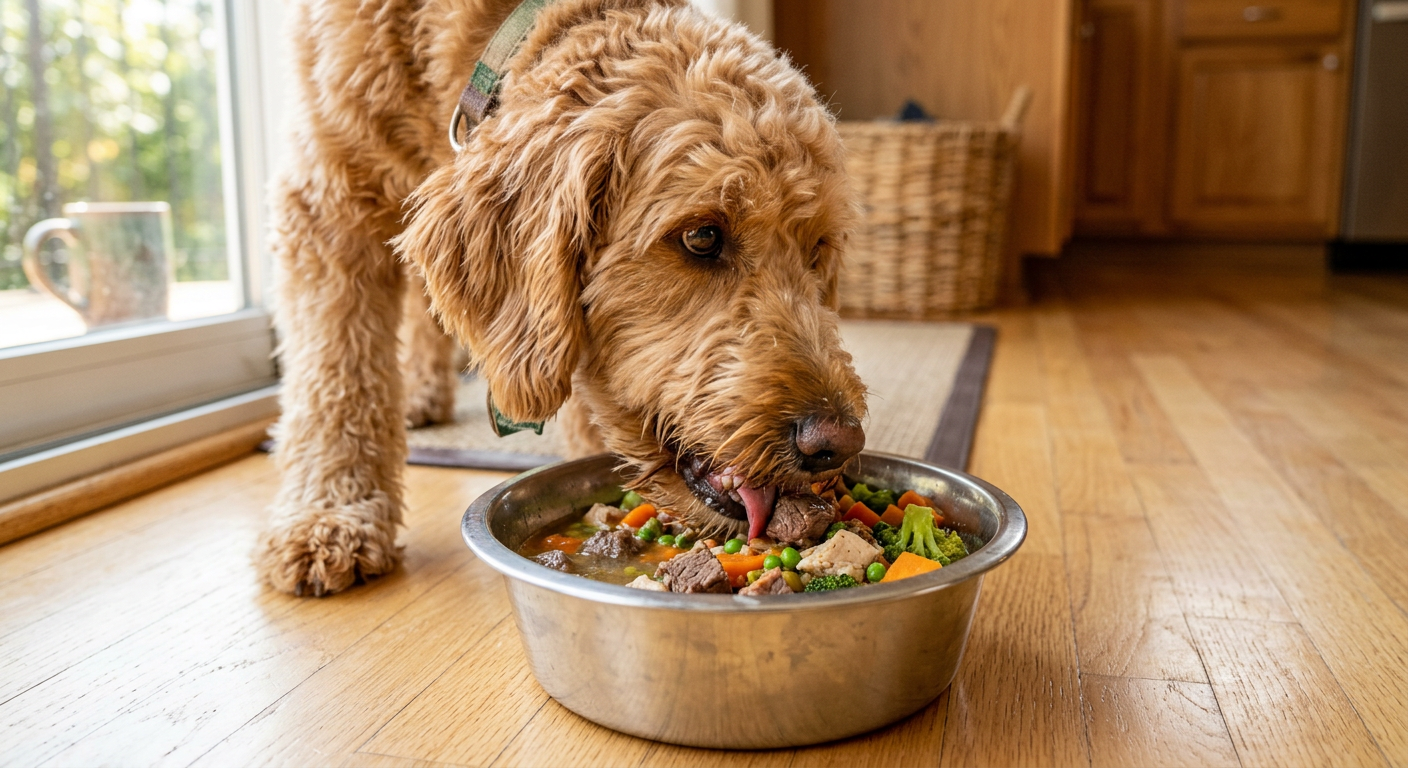
Benefits of a High Protein Dog Diet
Lean Muscle Maintenance and Growth
This one's personal. As a Golden Doodle who loves zoomies at the dog park near you, I need protein to keep my muscles strong and my fetching game elite. Protein provides the essential amino acids that build and repair muscle tissue. For active dogs, working dogs, and growing puppies, a high protein dog diet ensures they have the building blocks they need.
Weight Management and Satiety
Here's a stat that might surprise you: according to Today's Veterinary Practice (ACVN Nutrition Notes), high-protein diets delivering more than 90 grams of protein per 1,000 kcal have been shown to support weight loss in overweight dogs by preserving lean muscle mass and increasing satiety. In simpler terms? Protein helps chubby pups feel fuller longer without losing the good stuff (muscle).
My mom Lacey has seen this firsthand with some of her friends' dogs. After switching to a higher-protein formula, their pups stopped begging as intensely between meals. (I still beg, but that's more of a lifestyle choice.)
Support for Active and Working Dogs
If your dog is an endurance athlete — think sled dogs, hunting dogs, or agility competitors — their protein needs skyrocket. Research suggests active dogs may need around 75 grams of protein per 1,000 kcal, significantly higher than the adult maintenance range of 20-45 g/1000 kcal. A high protein diet dog food designed for performance can make a real difference in stamina and recovery.
Improved Coat and Skin Health
As a doodle with a fabulous coat (if I do say so myself), I can tell you that protein is the backbone of healthy fur. Keratin, the primary structural protein in hair, requires a steady supply of amino acids. Dogs on adequate or high protein diets often show shinier, thicker coats and fewer skin issues.
Better Immune Function
Antibodies are proteins. Enzymes are proteins. A lot of the immune system's heavy lifting depends on adequate protein intake. When your dog's diet is protein-rich with high-quality sources, their body is better equipped to fight off infections and recover from illness.
Risks and Considerations of a High Protein Dog Diet
Now, before you go loading up your cart with the highest-protein food you can find, let me pump the brakes. A high protein dog diet isn't right for every pup, and there are some important risks to consider.
Kidney Disease Concerns
This is the big one that gets tossed around at dog parks in your area, and I want to set the record straight. High protein diets do not cause kidney disease in healthy dogs. That's a myth that's been circulating for years. However — and this is crucial — if your dog already has kidney disease, excess protein paired with high phosphorus can absolutely make things worse.
As the ACVN notes in Today's Veterinary Practice, balanced renal diets provide 25-55 g of protein per 1,000 kcal with controlled phosphorus levels for better survival outcomes. So the issue isn't protein itself — it's the phosphorus content and the overall balance of the diet. Always consult your vet if your dog has renal concerns.
Digestive Upset
Some dogs — especially those with sensitive stomachs — may experience gas, loose stools, or vomiting when suddenly switched to a high protein diet dog food. If you're making the transition, do it gradually over 7-10 days by mixing increasing amounts of the new food with the old. Trust me, your nose will thank you.
Weight Gain (If Not Balanced)
Here's the irony: while a high protein dog diet can help with weight loss, if the food is also high in fat and calories without appropriate portion control, your pup could actually gain weight. Protein is calorie-dense, and those extra calories have to go somewhere. Always follow feeding guidelines and adjust based on your dog's body condition.
Not Ideal for Certain Health Conditions
Dogs with liver disease, certain metabolic disorders, or advanced kidney disease may need protein-restricted diets. If your dog has any chronic health condition, please talk to your veterinarian before switching to a high-protein formula. My mom Lacey always says, "When in doubt, ask the vet" — and she's usually right (don't tell her I said that).
How to Choose the Best High Protein Diet Dog Food
Read the Label Like a Pro
The American Kennel Club (AKC) has excellent guidance on decoding dog food labels. Under AAFCO rules, if a product is named something like "Chicken Dog Food," at least 95% of the product (excluding water) must be chicken. If it says "Chicken Dinner" or "Chicken Entrée," that drops to just 25%. Look for named animal proteins (chicken, beef, salmon) as the first ingredient, and avoid vague terms like "meat meal" or "animal by-products."
Prioritize Quality Over Quantity
Not all protein is created equal. The biological value of the protein source matters immensely. Whole meats, organ meats, eggs, and fish offer more bioavailable amino acids than plant-based proteins like pea protein or corn gluten meal. A food with 30% high-quality animal protein is far superior to one with 40% protein from questionable sources.
Check the AAFCO Statement
Every dog food should have an AAFCO nutritional adequacy statement on the packaging. This tells you the food has been formulated to meet minimum nutritional requirements for a specific life stage. Look for "complete and balanced" — this is your assurance the high protein formula isn't missing other essential nutrients.
Consider Your Dog's Life Stage
VCA Animal Hospitals recommends balancing protein with appropriate carbohydrates and fats based on your dog's life stage. Puppies, adults, seniors, and pregnant or nursing dogs all have different nutritional profiles. A high protein dog diet designed for all life stages may work, but life-stage-specific formulas are often more precisely calibrated.
My Top High Protein Dog Food Picks
Alright, here's what you've been waiting for — my personal top picks! I've sniffed, tasted, and thoroughly investigated these options. (Lacey helped with the research part. I handled quality control.)
1. Best Overall: Orijen Original Dry Dog Food
This one is a legend in the high protein dog food world. With approximately 38% protein from free-run chicken, turkey, wild-caught fish, and cage-free eggs, Orijen delivers a biologically appropriate formula that mirrors what dogs would eat in the wild. The ingredient list is clean, and it's packed with whole prey ratios including meat, organs, and cartilage.
👉 Orijen Original Dry Dog Food
2. Best for Active Dogs: Taste of the Wild High Prairie
If your dog is a fellow park enthusiast who runs circles around every pup near you, this formula features real roasted bison and venison with a protein content around 32%. It's grain-free, loaded with antioxidants from real fruits and vegetables, and includes species-specific probiotics for digestive health.
👉 Taste of the Wild High Prairie Canine Recipe
3. Best Budget-Friendly: Diamond Naturals All Life Stages
Not every high protein diet dog food has to break the bank. Diamond Naturals offers cage-free chicken as the first ingredient with around 26% protein — not ultra-high but well above minimums — plus superfoods, probiotics, and omega fatty acids at a price that won't make your human whimper.
👉 Diamond Naturals All Life Stages Dog Food
4. Best Freeze-Dried Topper: Stella & Chewy's Freeze-Dried Raw Dinner Patties
Sometimes you don't need to overhaul the whole bowl — you just need a protein boost. These freeze-dried raw patties are made with 95% meat, organs, and bone. Crumble them over your dog's regular kibble for an irresistible high-protein upgrade. I personally lose my mind every time Lacey breaks one of these out.
👉 Stella & Chewy's Freeze-Dried Raw Dinner Patties
5. Best for Sensitive Stomachs: Purina Pro Plan Sport
For dogs who need extra protein but have finicky digestive systems, Purina Pro Plan Sport delivers 30% protein with optimized amino acid profiles backed by Purina's extensive research. It includes guaranteed live probiotics and is formulated for highly active dogs without unnecessary fillers.
👉 Purina Pro Plan Sport Performance 30/20 Formula
Tips for Transitioning to a High Protein Dog Diet
Switching foods can be a delicate operation. Here's my tried-and-true (and vet-approved) transition plan:
- Days 1-2: Mix 25% new food with 75% old food
- Days 3-4: Go 50/50
- Days 5-6: Mix 75% new food with 25% old food
- Day 7+: Full transition to the new high protein diet dog food
During the transition, keep an eye on your dog's stool quality, energy levels, and appetite. If you notice persistent digestive issues, slow down the transition or consult your vet. Every dog is different — my buddy at the park, a Labrador named Tank, transitioned in three days flat. Meanwhile, a Shih Tzu named Princess needed a full two weeks. No shame in either approach.
Hydration Matters
High protein diets can increase your dog's water needs slightly, as the body uses water to metabolize and excrete nitrogen from protein breakdown. Make sure fresh water is always available, especially after meals and exercise. If you're visiting dog parks near you, bring a portable water bowl — your pup will need it!
Who Should Avoid a High Protein Dog Diet?
While I'm clearly a fan, honesty is part of my brand. A high protein dog diet is not appropriate for:
- Dogs with chronic kidney disease (unless your vet specifically recommends a controlled-protein renal formula)
- Dogs with advanced liver disease that impairs ammonia processing
- Senior dogs with declining kidney function who haven't been cleared by a veterinarian
- Dogs prone to purine-related bladder stones (certain high-protein sources like organ meats can exacerbate this)
Always, always get your vet's blessing before making significant dietary changes. Lacey schedules regular check-ups for me, and our vet helps us fine-tune my diet based on bloodwork and body condition. That's the gold standard, friends.
So there you have it, friends — the full scoop on the high protein dog diet, straight from a pup who takes his meals very seriously. Whether your dog is an athlete, a couch cuddler, or somewhere in between (like me on Tuesdays), protein is a critical part of their health and happiness. The key is finding the right balance — enough high-quality protein to fuel their body without overdoing it or ignoring underlying health conditions.
My mom Lacey and I hope this guide helps you make a more confident, informed choice the next time you're staring at a wall of dog food options. If you found this helpful, share it with your fellow dog parents, explore more of our guides here on doggieparknearme.com, and don't forget to check out our dog park finder to discover the best spots near you for burning off all that protein-fueled energy!
Until next time — stay hungry, stay healthy, and always steal a treat when your human isn't looking. 🐾
Paws and love, Auggie
Frequently Asked Questions
What is considered a high protein diet for dogs?
A high protein diet for dogs is generally defined as any food containing 30% or more protein on a dry matter basis. For reference, AAFCO minimum requirements are 18% protein for adult dogs and 22.5% for puppies. Foods marketed as 'high protein' typically range from 30-45% protein and feature named animal proteins like chicken, beef, or fish as the primary ingredients. However, exceeding 30% protein doesn't necessarily provide additional benefits unless your dog has specific needs related to activity level, weight management, or muscle recovery.
How do I get more protein in my dog's diet?
There are several ways to boost your dog's protein intake. First, you can switch to a higher-protein kibble formula (look for 30%+ protein on a dry matter basis). Second, you can add freeze-dried raw toppers like Stella & Chewy's patties to your dog's existing food for a protein boost. Third, you can incorporate fresh, dog-safe proteins like plain cooked chicken, turkey, eggs, or sardines as meal toppers. Always transition gradually over 7-10 days to avoid digestive upset, and consult your veterinarian before making major dietary changes, especially for dogs with health conditions.
What is the 90 10 rule for dogs?
The 90/10 rule is a widely recommended feeding guideline stating that 90% of your dog's daily calories should come from their complete and balanced dog food, while no more than 10% should come from treats, snacks, and table scraps. This ensures your dog gets all the essential nutrients they need from their primary diet while still allowing room for the occasional reward. Following this rule is especially important when feeding a high protein dog diet, as adding too many extra protein-rich treats can throw off the nutritional balance and contribute to excess calorie intake.
What is the best diet for a dog with Addison's disease?
Dogs with Addison's disease (hypoadrenocorticism) have impaired adrenal function and often struggle with electrolyte imbalances, particularly sodium and potassium. The best diet is typically a high-quality, easily digestible food with controlled sodium levels and moderate protein. Some veterinarians recommend avoiding grain-free or extremely high protein diets that may be high in potassium. The most important step is working closely with your veterinarian to select a diet that complements your dog's medication regimen (typically fludrocortisone or DOCP injections) and supports stable electrolyte levels. Regular bloodwork helps guide dietary adjustments.
Can high protein dog food cause kidney problems?
No — high protein dog food does not cause kidney disease in healthy dogs. This is a persistent myth. However, if your dog already has compromised kidney function, a diet high in both protein and phosphorus can accelerate the progression of kidney disease. For dogs with renal issues, veterinarians typically recommend controlled-protein diets with reduced phosphorus. If your dog is healthy, a high protein diet is safe and can offer significant benefits including better muscle maintenance, improved satiety, and enhanced coat health.
Is high protein dog food good for puppies?
Yes, puppies actually have higher protein requirements than adult dogs. AAFCO guidelines recommend a minimum of 22.5% protein on a dry matter basis for growing puppies, compared to 18% for adults. High-quality, protein-rich puppy formulas support healthy muscle development, bone growth, and immune function during this critical life stage. However, it's important to choose a food specifically formulated for puppies (or all life stages) to ensure proper calcium-to-phosphorus ratios and other nutrients essential for growth. Large breed puppies especially need carefully balanced formulas to prevent developmental orthopedic issues.
About Auggie
Hi, I'm Auggie! I'm a Golden Doodle who's been to more dog parks than most humans. My mom Lacey and I started Doggie Park Near Me to help every pup find their perfect park. When I'm not sniffing out new spots, you'll find me napping in the sun or begging for treats.
Learn more about us →More From Auggie

Grain-Free Dog Diet: Is It Really Better for Your Dog?
Is a grain-free dog diet really better for your pup? I'm Auggie the Golden Doodle, and I dug into the FDA research, vet recommendations, and real science to give you the honest truth. Spoiler: the answer might surprise you. Read on before you fill that bowl!

Dog Weight Management: How to Help Your Overweight Dog Lose Weight Safely
Hey friends, it's Auggie! I've been on my own weight management journey, and I'm sharing everything my mom Lacey and I learned about weight management dog food, safe weight loss plans, and how the right food can transform your overweight pup's life. Vet-backed tips inside!

Organic Dog Food: Is It Worth the Extra Cost?
Is organic healthy dog food worth the extra kibble cash? I'm Auggie the Golden Doodle, and I've been my mom Lacey's taste-tester for years. Let me break down what organic really means, which ingredients matter most, and my top product picks to help your pup thrive!