
Dog Socialization 101: A Complete Guide for New Owners
Hey there, friends — it's me, Auggie! Your favorite curly-coated Golden Doodle here to talk about one of the most important topics in puppy parenthood: dog socialization. Trust me, I know a thing or two about this subject. When my mom Lacey first brought me home, I was a fluffy little ball of curiosity and nerves. Every new sound, smell, and stranger was either the most exciting thing in the world or the absolute scariest. But thanks to my mom's dedication to proper socialization training, I grew into the confident, park-loving, tail-wagging good boy you know today. Whether you just brought home a wiggly puppy or you're working with an older rescue who's still figuring out this big, loud world, this guide is for you. I'm going to walk you through everything — the science, the timelines, the techniques, and even some of my favorite products that helped me along the way. Let's dig in! (Pun absolutely intended.)
What Is Dog Socialization and Why Does It Matter?
Let me break it down in terms even a puppy can understand: dog socialization is the process of exposing your furry friend to a wide variety of people, animals, environments, sounds, and experiences so they learn that the world is a safe, interesting place — not a scary one.
Think of it like building a mental toolkit. Every positive experience your dog has during their formative weeks adds a new tool to that kit. A friendly kid at the park? Tool. A loud truck rumbling by without anything bad happening? Another tool. A calm visit to the vet where treats were involved? Big tool.
Without those tools, dogs like me can develop fear, anxiety, and even aggression. According to VCA Animal Hospitals, socialization works much like vaccinations — it's a preventive measure against fearful behavior. And just like vaccines, it works best when started early.
Here's the thing that really gets my tail wagging about this topic: socialization isn't just about making your dog "friendly." It's about giving them the emotional resilience to handle whatever life throws at them. A well-socialized dog is a happier dog. And a happier dog makes for a happier human. That's what my mom Lacey always says, and she's right.
The Critical Dog Socialization Window: Timing Is Everything
Okay, let me get a little science-y on you — don't worry, I'll keep it fun.
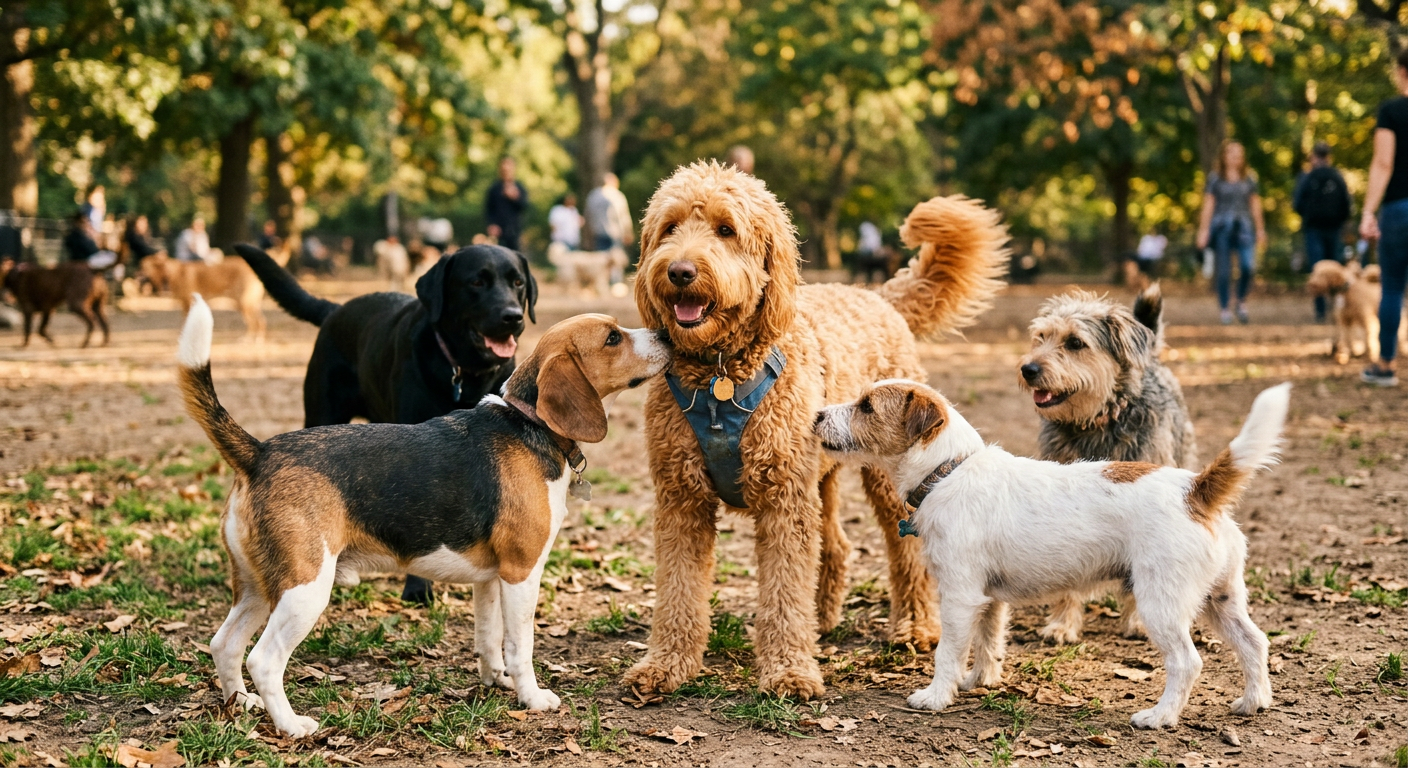
Research published in PubMed Central (PMC) shows that the critical socialization window for puppies falls between 3 and 12 weeks of age, with some experts extending it to 14-16 weeks. During this period, a puppy's brain is essentially a sponge, soaking up information about what's safe and what's not.
Here's what the science tells us:
- Puppies socialized during this window show significantly less fear and anxiety as adults
- Puppies isolated beyond 5 weeks increasingly withdraw from humans and novel situations
- Failure to socialize in the first 12 weeks is the single most common cause of serious behavioral issues in adult dogs — outweighing even infection risks when proper vaccinations are in place
The American Veterinary Society of Animal Behavior (AVSAB) actually recommends that puppies begin socialization classes as early as 7-8 weeks old, as long as they've had their initial vaccinations. The behavioral benefits far outweigh the low risk of infection in controlled environments.
Now, I know what some of you are thinking: "But my vet said to keep my puppy inside until all their shots are done!" I get it — and your vet has your pup's best interests at heart. But there's a balance. The Ohio State University College of Veterinary Medicine provides excellent guidance on balancing socialization with disease prevention. The key is controlled exposure — think clean environments, vaccinated playmates, and supervised interactions rather than a free-for-all at the dog park.
My mom Lacey was really smart about this. Before I had all my shots, she carried me into pet-friendly stores, let me watch the world from the car window, and set up puppy playdates with dogs she knew were healthy and vaccinated. Every little bit counted.
How to Start Dog Socialization Training: A Step-by-Step Approach
Alright, let's get into the good stuff — the actual how-to. Dog socialization training doesn't have to be complicated, but it does need to be intentional. Here's the approach my mom Lacey used with me, and it worked like a charm.
Step 1: Make a Socialization Checklist
Write down all the things your dog needs to experience:
- People: Men, women, children, people wearing hats/sunglasses, people with beards, people in uniforms, people using wheelchairs or walkers
- Animals: Other dogs (various sizes and breeds), cats, birds, squirrels (oh, squirrels...)
- Environments: Parks, sidewalks, parking lots, pet stores, the vet's office, cars, elevators
- Sounds: Thunder, fireworks, vacuum cleaners, doorbells, sirens, construction noise
- Surfaces: Grass, gravel, tile, metal grates, wet pavement, sand
Step 2: Start Slow and Positive
The golden rule of dog socialization? Every new experience should be positive. Never force your dog into a situation that overwhelms them. If your pup seems scared, back off, give them space, and try again later at a lower intensity.
I'll be honest — the first time I heard a garbage truck, I tucked my tail so hard I practically turned into a pretzel. But my mom Lacey sat with me, spoke softly, and gave me some of my favorite treats. The next time a garbage truck came by, I was a little braver. And by the fifth time? I barely noticed.
Having high-value training treats on hand makes a world of difference. My mom always kept Zuke's Mini Naturals Dog Treats in her pocket — they're small, soft, and perfect for rewarding brave behavior without overfeeding.
Step 3: Use the "Observe and Reward" Technique
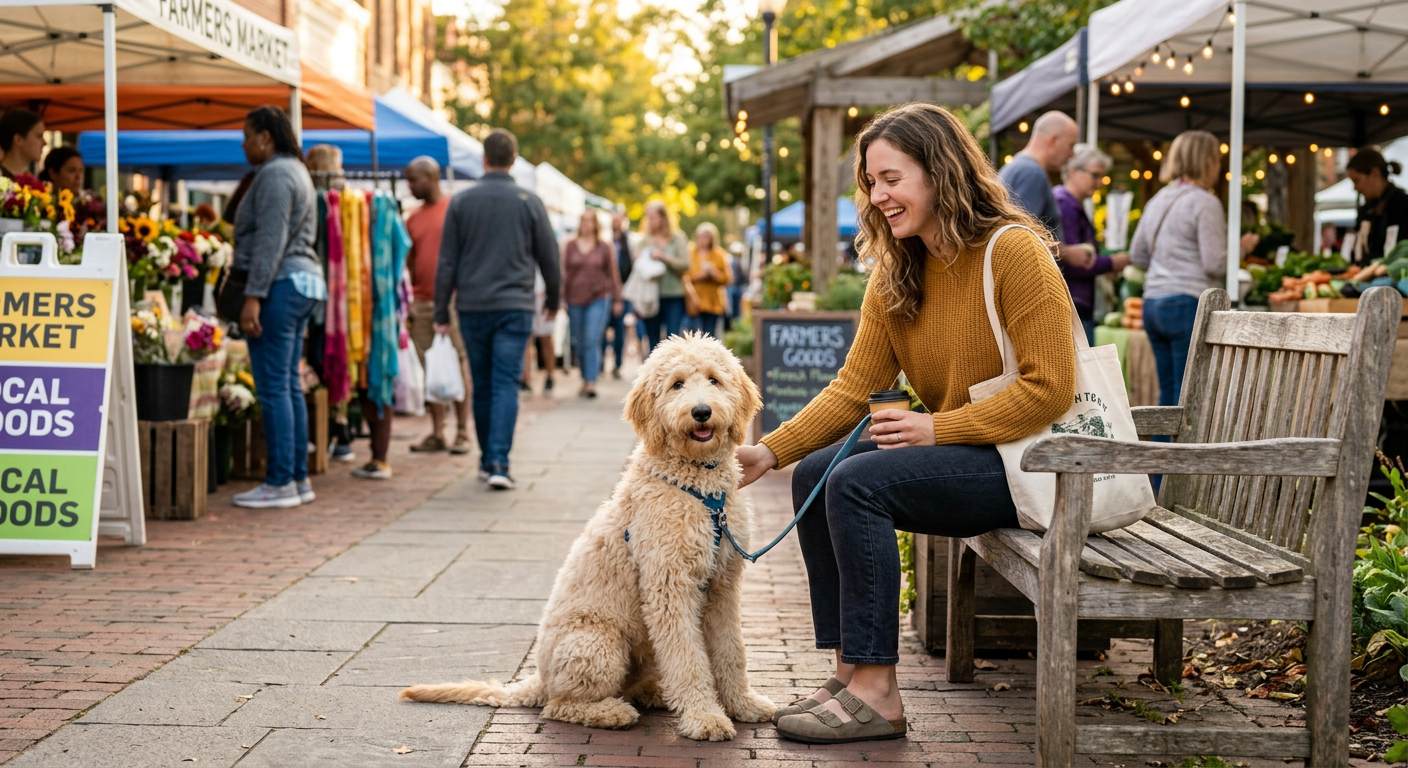
You don't always have to be in the middle of the action. Sometimes the best socialization happens from a distance. Sit on a bench near a busy playground and let your dog watch. Reward calm, curious behavior. Gradually decrease the distance over multiple sessions.
Step 4: Enroll in a Puppy Socialization Class
Puppy classes near you are one of the best investments you can make. Look for classes that use positive reinforcement methods and have controlled environments. These classes expose your pup to other dogs and people in a safe, supervised setting.
The AVMA emphasizes that socialization should prepare dogs to comfortably interact with other animals, people, places, and activities through gradual exposure — and a well-run class does exactly that.
Step 5: Practice Handling Exercises at Home
One thing a lot of new owners overlook is touch socialization. Get your puppy used to having their paws handled, ears checked, teeth examined, and nails touched. This makes grooming and vet visits SO much easier down the road.
My mom uses a Hertzko Self-Cleaning Slicker Brush on me, and because she introduced it gently with treats when I was young, I actually love being brushed now. It's like a spa day!
Dog Socialization at Different Life Stages
Socialization isn't one-size-fits-all. Where your dog is in life changes the approach.
Puppy Socialization (8-16 Weeks)
This is the prime window. Focus on:
- Gentle, positive introductions to as many new stimuli as possible
- Short, frequent sessions (puppies have short attention spans — trust me, I know)
- Puppy playdates with healthy, vaccinated dogs
- Exposure to common household sounds and activities
A great tool during this phase is a KONG Classic Dog Toy stuffed with peanut butter. It creates a positive association with downtime in new environments — like when you're at a café and your puppy needs to chill.
Adolescent Socialization (4-12 Months)
Just when you think your pup has it figured out, adolescence hits. I went through a "secondary fear period" around 6 months where things that never bothered me suddenly seemed terrifying. This is totally normal!
During this stage:
- Continue exposing your dog to new experiences, but don't push too hard
- Reinforce known commands in new environments
- Visit different dog parks in your area to provide variety
- Stay patient — this phase passes
Adult Dog Socialization
Yes, you can absolutely socialize an adult dog! It just takes more time and patience. If you've adopted a rescue who missed that critical window, focus on:
- Very gradual introductions at the dog's pace
- Counter-conditioning (pairing scary things with amazing treats)
- Working with a certified dog behaviorist near you if needed
- Celebrating tiny victories
For nervous adult dogs, a ThunderShirt Classic Dog Anxiety Jacket can provide gentle, constant pressure that helps reduce anxiety during socialization exercises. My mom Lacey got me one during thunderstorm season, and it genuinely helps me feel more secure.
Common Dog Socialization Mistakes to Avoid
I've seen a lot of well-meaning humans make these mistakes at the dog park. Don't worry — I'm not judging! But let me help you avoid them:
1. Forcing Interactions
Dragging your terrified puppy toward a group of rowdy dogs is NOT socialization — it's flooding, and it can make fear worse. Always let your dog approach at their own pace.
2. Only Socializing with Dogs
Dog socialization isn't just about other dogs! It includes people, environments, sounds, and objects. A dog who's great with other pups but terrified of men in hats hasn't been fully socialized.
3. Skipping the Critical Window
I can't stress this enough. Waiting until your puppy is "fully vaccinated" before exposing them to the world can mean missing the most important developmental period. Work with your vet to find safe ways to socialize early.
4. Overwhelming Your Dog
More isn't always better. A trip to a crowded festival isn't ideal for a 9-week-old puppy's first outing. Build up gradually.
5. Stopping Too Soon
Socialization is a lifelong process. Even a well-socialized dog benefits from regular exposure to new people, places, and experiences. I still go on adventures with my mom Lacey every week — it keeps my social skills sharp!
Creating a Dog Socialization Schedule
My mom Lacey is big on routines (she's a planner, that one), and having a schedule really helped keep my socialization on track. Here's a sample weekly plan:
| Day | Activity |
|---|---|
| Monday | Walk in a new neighborhood |
| Tuesday | Practice handling exercises at home |
| Wednesday | Visit a pet-friendly store |
| Thursday | Puppy playdate or dog park visit near you |
| Friday | Sound desensitization (YouTube has great playlists for this!) |
| Saturday | Adventure day — new trail, beach, or outdoor market |
| Sunday | Rest and bonding at home |
The goal isn't to cram in as many experiences as possible — it's to provide consistent, positive exposure over time.
Essential Gear for Dog Socialization Training
Having the right gear makes socialization outings smoother and more enjoyable for everyone. Besides the treats and toys I mentioned above, my mom always brings a sturdy, comfortable leash. I'm a big fan of the PetSafe Easy Walk Dog Harness — it gives my mom Lacey control without pulling on my neck, which keeps me calm and comfortable during socialization walks. When you're trying to teach your dog that the world is a safe place, the last thing you want is equipment that causes discomfort.
Signs Your Dog Socialization Is Working
How do you know your efforts are paying off? Here are some tail-wagging good signs:
- Relaxed body language in new environments (soft eyes, wiggly body, loose tail)
- Curiosity over fear when encountering new things
- Quick recovery after being startled
- Polite greetings with other dogs and people
- Ability to settle in new places (this was a big one for me!)
- Checking in with their human for reassurance rather than panicking
If you're seeing these signs, give yourself a big pat on the back — and give your dog a treat. You're doing great!
When to Seek Professional Help
Sometimes, despite your best efforts, dog socialization can hit a wall. If your dog shows any of these signs, it might be time to consult a certified animal behaviorist or veterinary behaviorist near you:
- Persistent aggression toward people or other dogs
- Extreme fear that doesn't improve with gradual exposure
- Panic attacks in normal environments
- Resource guarding that escalates
- Any sudden behavioral changes
There's absolutely no shame in getting professional help. Some dogs, especially rescues with unknown histories, need a little extra support. My mom Lacey says asking for help is one of the bravest things a pet parent can do, and I agree.
Well, friends, we've covered a LOT of ground today — almost as much as I cover on a good zoomies session in the backyard. Here's the bottom line: dog socialization is one of the single most impactful things you can do for your furry best friend. It's not just about teaching them to play nice at the dog park (though that's definitely a perk). It's about building their confidence, reducing anxiety, and setting them up for a lifetime of happy adventures by your side.
Whether you've got a brand-new puppy or a senior rescue who's still learning to trust, it's never too late to start. My mom Lacey started my socialization journey from day one, and I'm forever grateful — every new friend I make and every park I explore is a testament to that early investment.
So grab some treats, clip on that leash, and get out there! Your dog's bigger, brighter world is waiting. And if you found this guide helpful, sniff around the rest of doggieparknearme.com for more tips, park recommendations near you, and all the tail-wagging advice you need.
Until next time — stay social, stay happy, and always stop to smell the fire hydrants. 🐾
Woof, Auggie
Frequently Asked Questions
Is it ever too late to socialize a dog?
Nope — it's never truly too late! While the critical socialization window closes around 12-16 weeks, adult dogs can absolutely learn to be more comfortable with new experiences. It just takes more time, patience, and often a more gradual approach. Counter-conditioning (pairing scary things with treats and praise) is one of the most effective techniques for older dogs. If you've adopted an adult rescue, work at their pace and celebrate small wins. In some cases, partnering with a certified dog behaviorist near you can make a huge difference.
What is the 3-3-3 rule with dogs?
The 3-3-3 rule is a guideline for rescue and newly adopted dogs that describes their adjustment timeline. In the first **3 days**, your dog may feel overwhelmed, scared, or shut down — they're just taking everything in. After **3 weeks**, they're starting to settle in, learn the routine, and show more of their personality. After **3 months**, your dog should feel truly at home and bonded with you. During each of these phases, gentle, positive socialization experiences can help your new dog build confidence and trust in their new environment.
What is proper socialization for dogs?
Proper dog socialization means gradually and positively exposing your dog to a wide variety of people, animals, environments, sounds, surfaces, and experiences. The key word is *positive* — every new experience should be paired with treats, praise, or play so your dog builds happy associations. It should never involve forcing your dog into overwhelming situations. Proper socialization starts during the critical window of 3-12 weeks but continues throughout your dog's life. It includes everything from meeting different types of people to hearing household sounds to walking on different surfaces.
What is the 7 7 7 rule for dogs?
The 7 7 7 rule is a socialization guideline suggesting that by the time your puppy is 7 weeks old, they should have walked on **7 different surfaces** (grass, tile, carpet, gravel, etc.), played with **7 different types of toys**, been to **7 different locations**, met **7 new people**, been exposed to **7 different challenges** (like climbing small steps or navigating obstacles), eaten from **7 different containers**, and been handled by **7 different people**. It's a handy framework to make sure you're providing well-rounded socialization experiences during those crucial early weeks.
About Auggie
Hi, I'm Auggie! I'm a Golden Doodle who's been to more dog parks than most humans. My mom Lacey and I started Doggie Park Near Me to help every pup find their perfect park. When I'm not sniffing out new spots, you'll find me napping in the sun or begging for treats.
Learn more about us →More From Auggie

Dog Parks as Socialization Tools: Do's and Don'ts for a Happy, Well-Adjusted Pup
Hey, it's Auggie! Dog park socialization can be a game-changer — or a total disaster if you do it wrong. I'm sharing the do's and don'ts of using dog parks as socialization tools, from vaccination must-knows to reading canine body language. Let's make every park visit a tail-wagging success!

Puppy Socialization Checklist: Everything Your Pup Needs to Experience
Hey there, it's Auggie! I put together the ultimate puppy socialization checklist so your new pup can experience everything — people, sounds, surfaces, and more — during that critical 3-16 week window. Packed with expert tips, product picks, and my own Golden Doodle wisdom!

Auggie’s playful guide to a doggie park near me
Hi, I'm Auggie the Golden Doodle and I'm on a mission to uncover the best doggie park near me! In my ultimate guide, you'll discover local adventure tips, safety insights, and the must-have gear for fun, tail-wagging visits. Join me as I sniff out the perfect park spots and share firsthand advice on making every park day a joyous, healthy romp. Come along on this local journey—click to learn more!