
Dog Anxiety Medications: What Vets Recommend in 2025
Hey there, friends — it's me, Auggie, your favorite Golden Doodle and resident dog wellness writer here at doggieparknearme.com. Let's talk about something that hits close to home for a lot of us pups: anxiety. Yep, even us dogs get stressed, worried, and flat-out panicky sometimes. Whether it's thunderstorms rattling the windows, being left alone, or that terrifying vacuum cleaner (don't even get me started), anxiety is real, and dog anxiety meds can be a genuine lifeline. My mom Lacey noticed my own nervous habits early on — the pacing, the panting, the way I'd glue myself to her leg during fireworks season. That's what started our deep dive into understanding what medications vets actually recommend for anxious dogs. So grab a chew toy, curl up on the couch, and let me walk you through everything we've learned about keeping dogs like us calm, happy, and tail-waggy.
Understanding Dog Anxiety: More Than Just the Zoomies
Before we dig into the medicine cabinet, let's talk about what dog anxiety actually looks like. It's not just acting a little nervous — it's a real condition that affects our brains, bodies, and behavior. According to the Cornell University College of Veterinary Medicine, anxious behavior in dogs can manifest as destructive chewing, excessive barking, trembling, house soiling, and even aggression.
Here are the most common types of anxiety us pups deal with:
- Separation anxiety — When our humans leave and we feel like the world is ending
- Noise phobias — Thunderstorms, fireworks, construction sounds
- Generalized anxiety — That free-floating worry that makes everything feel scary
- Situational anxiety — Vet visits, car rides, new environments
My mom Lacey always says, "Auggie, you're not being bad — you're just scared." And she's absolutely right. Understanding the type of anxiety your dog has is the first step toward finding the right dog anxiety meds.
FDA-Approved Dog Anxiety Meds: The Gold Standard
Let's start with the big three — the only medications that are specifically FDA-approved for use in dogs with anxiety. According to PetMD, these are the drugs that have gone through rigorous testing for canine use:
1. Clomicalm (Clomipramine)
Clomicalm is a tricyclic antidepressant (TCA) that's FDA-approved specifically for separation anxiety in dogs. It works by increasing serotonin and norepinephrine levels in the brain. Now, here's the thing — it doesn't work overnight. SSRIs and TCAs like clomipramine take 1 to 4 weeks to reach full effectiveness. So patience is key, humans!
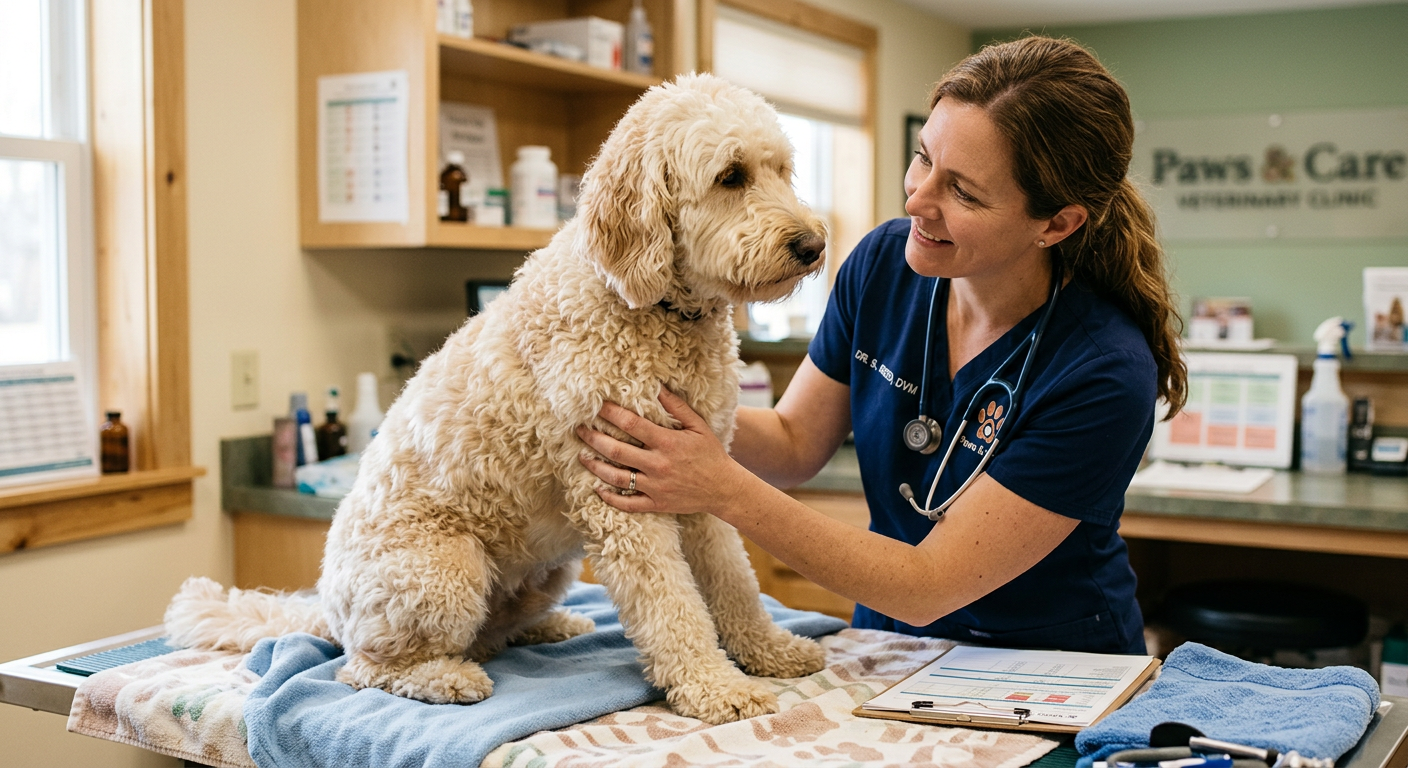
My vet told my mom Lacey that Clomicalm works best when combined with behavior modification training. It's not a magic pill — think of it as a tool that makes the training stick.
2. Reconcile (Fluoxetine)
You might recognize fluoxetine by its human brand name: Prozac. But Reconcile is the canine-specific version, and it's FDA-approved for separation anxiety in dogs when used alongside a behavior modification plan. As noted by Today's Veterinary Practice, fluoxetine is one of the most commonly prescribed dog anxiety drugs for chronic conditions.
Reconcile is an SSRI (selective serotonin reuptake inhibitor), meaning it helps keep serotonin — that feel-good brain chemical — available longer. It typically takes 1 to 4 weeks to see results, and it's meant for long-term use rather than quick fixes.
3. Sileo (Dexmedetomidine)
Sileo is a unique one — it's an oromucosal gel applied between the cheek and gum, specifically FDA-approved for noise aversion in dogs. Fireworks night? Thunder rolling in? Sileo can help take the edge off without fully sedating your pup. It's fast-acting and situational, which makes it different from the daily medications above.
These three represent the gold standard in dog medication anxiety treatment because they've been specifically tested and approved for our species. Everything else? That falls into off-label territory.
Off-Label Dog Anxiety Meds Vets Commonly Prescribe
Here's where things get interesting. Many of the most popular dog anxiety meds are actually human medications used "off-label" for dogs. That means they weren't specifically approved for canine use, but vets prescribe them regularly based on clinical experience and evidence. The MSD Veterinary Manual covers many of these psychotropic agents extensively.
Trazodone
Trazodone has become one of the most popular dog anxiety drugs in veterinary medicine. It's a serotonin antagonist and reuptake inhibitor (SARI) that boosts serotonin levels to reduce anxiety. According to VCA Animal Hospitals, trazodone is frequently used as a pre-visit pharmaceutical to calm dogs before vet appointments.
What I love about trazodone (well, as much as any dog can love a pill) is that it's versatile. It can be used situationally — like before a vet visit or during a thunderstorm — or as a daily medication for more chronic anxiety. My mom Lacey has heard from plenty of dog parents in our area that trazodone has been a game-changer for their anxious pups.
Alprazolam (Xanax)
Alprazolam is a benzodiazepine that acts fast — typically within 30 to 60 minutes — by depressing central nervous system activity. It's most commonly prescribed for situational anxiety like thunderstorm phobias or fireworks. However, benzodiazepines need to be tapered gradually if used long-term, and they can sometimes cause paradoxical excitement in some dogs.
Gabapentin
Originally developed as an anti-seizure medication, gabapentin has found a second life as an anxiety reducer. Many vets near you will prescribe it for pre-visit anxiety or as part of a multi-drug approach for severely anxious dogs.
Amitriptyline
Another tricyclic antidepressant, amitriptyline is sometimes prescribed for generalized anxiety and separation anxiety. It's less commonly used than fluoxetine or clomipramine but remains an option for dogs who don't respond well to other medications.

Natural and Supplement-Based Approaches to Dog Anxiety
Now, not every anxious pup needs prescription dog anxiety meds. Sometimes — especially for mild anxiety — natural supplements and calming products can make a real difference. My mom Lacey always likes to try the gentlest approach first, and I respect that about her.
Here are some products we've tried and recommend:
Calming Supplements
The Zesty Paws Calming Bites are one of my personal favorites. They contain ingredients like L-theanine, chamomile, and valerian root — all known for their calming properties. They taste like treats (huge plus), and they're perfect for mild, everyday anxiety. My mom Lacey gives them to me before we head to busy dog parks near you.
Another excellent option is VetriScience Composure Pro, which uses colostrum calming complex, L-theanine, and thiamine to support relaxation. It's vet-formulated and great for travel anxiety or adjustment periods.
Calming Wearables and Tools
The ThunderShirt Classic Dog Anxiety Jacket applies gentle, constant pressure — kind of like a hug that never ends. It's designed to calm dogs during thunderstorms, fireworks, separation, travel, and vet visits. I'll be honest — I look a little goofy in mine, but it genuinely helps me feel more secure.
For crate-trained dogs dealing with anxiety, the Adaptil Calming Pheromone Diffuser releases a synthetic version of the pheromone mother dogs produce to comfort their puppies. It plugs into any standard outlet in your area and covers up to 700 square feet. My mom Lacey keeps one running in our living room year-round.
And for on-the-go situations, PetHonesty Hemp Calming Chews combine hemp seed powder with chamomile, valerian root, and ginger for a natural calming effect. They're especially handy for car rides and trips to the dog park.
How to Talk to Your Vet About Dog Anxiety Meds
Look, I know vet visits can be stressful (ironic when you're going to ask about anxiety medication, right?). But having a productive conversation with your veterinarian is absolutely essential when it comes to finding the right dog anxiety med for your pup.
Here's what my mom Lacey recommends you bring to the appointment:
- A behavior journal — Note when your dog's anxiety flares up, what triggers it, how long episodes last, and what you've already tried.
- Video evidence — Capture your dog's anxious behavior on camera. Some dogs (raises paw — guilty) act completely normal at the vet's office, so videos help the vet see what's really going on at home.
- Questions about all options — Ask about both prescription dog anxiety meds and behavioral therapy. The best outcomes usually combine both.
- Concerns about side effects — Every medication has potential side effects. Ask specifically about drowsiness, appetite changes, GI issues, and interactions with other medications.
- A realistic timeline — Remember that SSRIs and TCAs take weeks to work. Ask your vet what milestones to look for and when to follow up.
Most vets in your area will want to start with a thorough exam to rule out underlying medical conditions that might mimic anxiety (pain, thyroid issues, cognitive decline in older dogs). Don't skip this step!
Behavioral Therapy: The Other Half of the Equation
I can't bark about this enough: dog anxiety meds work best when combined with behavioral modification. Medication manages the symptoms, but training addresses the root cause.
Common behavioral approaches include:
- Desensitization — Gradually exposing your dog to anxiety triggers at low intensity and increasing over time
- Counter-conditioning — Pairing a scary stimulus with something positive (like treats... did someone say treats?)
- Environmental management — Creating safe spaces, using white noise machines, maintaining predictable routines
- Professional training — Working with a certified animal behaviorist near you who specializes in anxiety
My mom Lacey combined trazodone with a structured desensitization program when I was going through my worst separation anxiety phase, and the results were night and day. The dog anxiety drug took the edge off enough for me to actually learn and retain new coping behaviors.
Choosing the Right Dog Anxiety Med: Daily vs. Situational
One of the biggest decisions you and your vet will make is whether your dog needs daily medication or situational (as-needed) treatment.
Daily medications (fluoxetine, clomipramine, amitriptyline) are best for:
- Separation anxiety
- Generalized anxiety disorder
- Chronic, ongoing anxiety issues
Situational medications (trazodone, alprazolam, Sileo, gabapentin) are best for:
- Thunderstorm and fireworks phobias
- Vet visit anxiety
- Travel anxiety
- Specific event-related stress
Some dogs benefit from both — a daily SSRI for baseline anxiety management plus a situational dog anxiety med for acute triggers. This layered approach is actually quite common and can be incredibly effective when managed properly by your vet.
Potential Side Effects of Dog Anxiety Medications
Being a responsible dog parent means understanding what could happen when starting a new medication. Here are common side effects to watch for:
- SSRIs/TCAs (fluoxetine, clomipramine): Decreased appetite, lethargy, GI upset, restlessness during the first 1-2 weeks
- Benzodiazepines (alprazolam): Sedation, increased appetite, paradoxical excitation, physical dependence with long-term use
- Trazodone: Drowsiness, GI issues, changes in heart rhythm (rare)
- Gabapentin: Sedation, wobbliness, digestive upset
Always — and I mean always — follow your vet's dosing instructions. Never give your dog human anxiety medications without veterinary guidance. What's safe for humans can be dangerous or even fatal for dogs.
When Dog Anxiety Meds May Not Be the Answer
Sometimes what looks like anxiety is actually something else entirely. Medical conditions like hypothyroidism, Cushing's disease, chronic pain, and cognitive dysfunction syndrome in senior dogs can all produce anxiety-like symptoms. That's why a thorough veterinary workup is the essential first step before starting any dog medication anxiety protocol.
Additionally, some behavioral issues stem from lack of exercise, insufficient mental stimulation, or poor socialization — not clinical anxiety. Before jumping to medication, make sure your pup is getting enough physical activity (hello, dog parks near you!), mental enrichment, and social interaction.
Well, friends, we've covered a lot of ground today — from FDA-approved options to off-label prescriptions, natural supplements to behavioral therapy. The world of dog anxiety meds can feel overwhelming, but here's the bottom line from this curly-haired Golden Doodle: every anxious pup deserves relief, and there are more effective options available now than ever before.
My mom Lacey always reminds me that there's no shame in needing a little help to feel calm and safe. Whether your dog benefits from a daily SSRI, a situational dose of trazodone, a ThunderShirt, or calming treats, the most important thing is to work with a trusted vet in your area who understands your dog's unique needs.
If your pup is struggling with anxiety, don't wait — talk to your veterinarian today. And while you're here, sniff around doggieparknearme.com for more tips on keeping your best furry friend happy, healthy, and living their best life. Now if you'll excuse me, I hear my mom opening a treat bag. 🐾
Woof and love, Auggie
Frequently Asked Questions
What is the best thing for a dog with anxiety?
The best approach combines veterinary-prescribed medication with behavioral modification training. For mild anxiety, calming supplements like L-theanine-based chews, ThunderShirts, and pheromone diffusers can help. For moderate to severe anxiety, prescription dog anxiety meds like fluoxetine (Reconcile), clomipramine (Clomicalm), or trazodone — combined with desensitization and counter-conditioning — tend to produce the best long-term results. Always consult your vet to determine what's best for your individual dog.
What medication can I give my dog for anxiety?
Never give your dog any medication without veterinary guidance. That said, commonly prescribed dog anxiety meds include FDA-approved options like Clomicalm (clomipramine), Reconcile (fluoxetine), and Sileo (dexmedetomidine), as well as off-label medications like trazodone, alprazolam (Xanax), and gabapentin. Your vet will recommend the right medication based on your dog's type of anxiety, severity, health history, and other factors. Over-the-counter calming supplements containing L-theanine, chamomile, or valerian root are also available but should still be discussed with your vet.
What is the 3-3-3 rule for dog anxiety?
The 3-3-3 rule is a guideline for newly adopted or rehomed dogs adjusting to a new environment. In the first 3 days, your dog may feel overwhelmed, not eat much, and hide or shut down. In the first 3 weeks, your dog starts settling in, learning routines, and showing their true personality — including anxiety behaviors. After 3 months, your dog should feel fully comfortable and bonded in their new home. Understanding this timeline helps you distinguish normal adjustment anxiety from chronic anxiety that might require dog anxiety meds or professional help.
Is trazodone or Xanax better for dogs?
Both trazodone and Xanax (alprazolam) are effective dog anxiety meds, but they work differently and are suited for different situations. Trazodone boosts serotonin and is widely considered safer for regular use with fewer dependency concerns. It's popular for vet visit anxiety, travel, and general situational stress. Xanax (alprazolam) is a benzodiazepine that acts faster (30-60 minutes) and is often used for acute phobias like thunderstorms, but it carries a higher risk of dependence and can cause paradoxical excitement in some dogs. Your vet will help determine which is best based on your dog's specific needs and health profile.
How long do dog anxiety meds take to work?
It depends on the type of medication. Situational dog anxiety meds like trazodone, alprazolam, and gabapentin typically work within 30 to 90 minutes. Daily medications like fluoxetine (Reconcile) and clomipramine (Clomicalm) are SSRIs and TCAs that take 1 to 4 weeks to reach full therapeutic effect. Sileo, the oromucosal gel for noise phobias, works within about 30 minutes. It's important to follow your vet's instructions and not discontinue daily medications early just because you don't see immediate results.
Can I use natural remedies instead of prescription dog anxiety meds?
For mild anxiety, natural remedies can be effective. Calming supplements with L-theanine, chamomile, and valerian root, as well as tools like ThunderShirts and pheromone diffusers, help many dogs. However, for moderate to severe anxiety — especially separation anxiety, noise phobias, or generalized anxiety disorder — natural remedies alone are often insufficient. In these cases, prescription dog anxiety meds prescribed by a veterinarian, combined with behavioral training, provide the most reliable results. Many dog parents find success using natural remedies alongside prescription medications as part of a comprehensive anxiety management plan.
About Auggie
Hi, I'm Auggie! I'm a Golden Doodle who's been to more dog parks than most humans. My mom Lacey and I started Doggie Park Near Me to help every pup find their perfect park. When I'm not sniffing out new spots, you'll find me napping in the sun or begging for treats.
Learn more about us →More From Auggie

How Auggie finds a doggie park near me, nose first
Hi, I'm Auggie the Golden Doodle, and I'm inviting you to join my tail-wagging adventure to discover the best doggie park near me. In my latest post, you'll learn about essential amenities, safety tips, and insider dog park etiquette that make every visit a joyful romp. Come along to explore local parks, find hidden gems, and ensure your furry friend has the ultimate playtime experience.

Dog Separation Anxiety: Signs, Causes, and Solutions That Actually Work
Woof! It's Auggie here, and I'm getting real about dog separation anxiety — the signs, causes, and proven solutions that helped me go from couch-destroying mess to calm, confident pup. From desensitization training to vet-approved tips and my favorite calming products, I've got everything you and your best friend need.

Therapy Dogs vs. Service Dogs: What's the Difference?
Hey friends, it's Auggie! Ever wondered about the difference between a therapy dog for mental health and a service dog? I'm breaking it all down — from legal protections to training tips and the science-backed benefits of canine companionship. Let me help you find the right path for you and your pup!