
Best Dog Park Equipment: Agility, Obstacles, and Play Structures
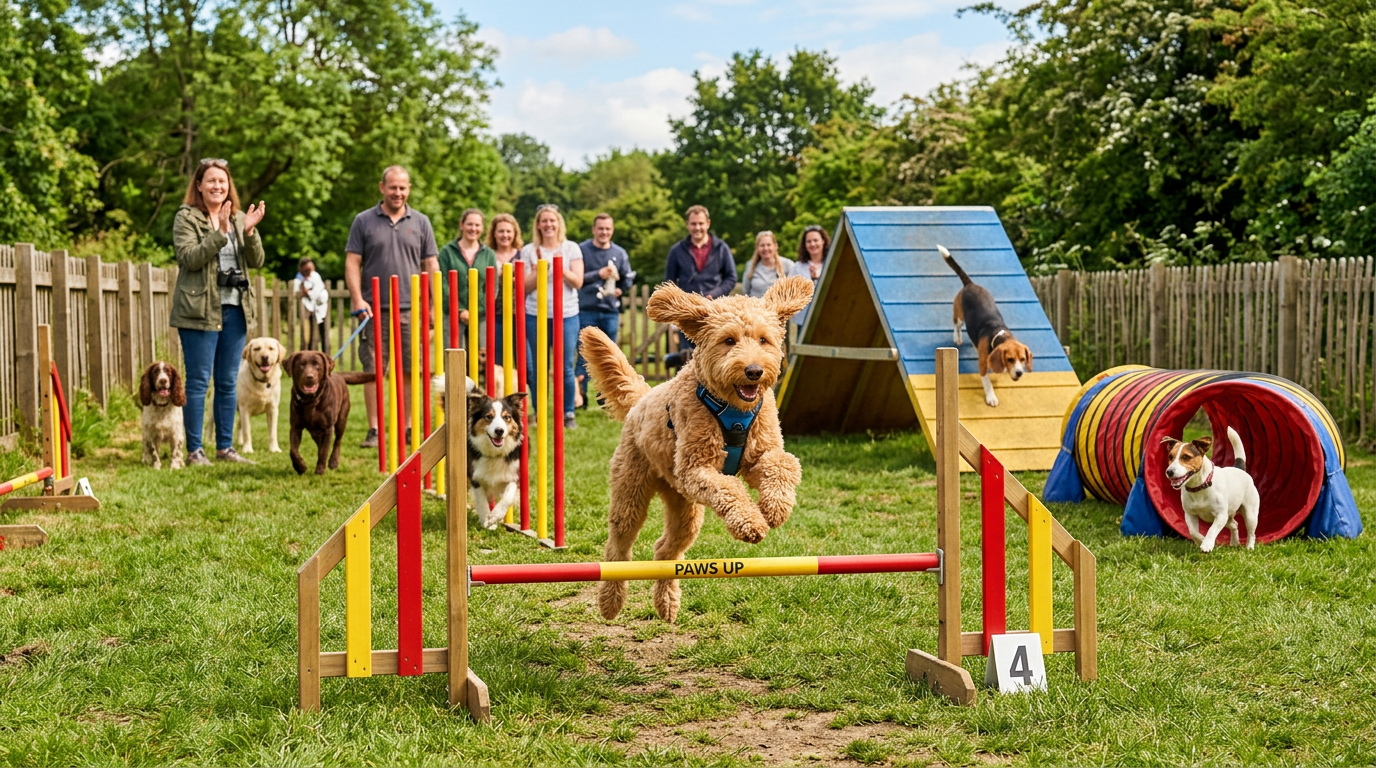
Woof, friends! Auggie here — your favorite curly-haired Golden Doodle and self-appointed expert on all things fetch, zoomies, and off-leash adventures. If there's one thing that makes my tail wag harder than a peanut butter-stuffed Kong, it's walking into a dog park loaded with amazing dog park equipment. I'm talking weave poles, tunnels, ramps, and those glorious play structures that turn an ordinary grassy field into a canine wonderland. My mom Lacey and I have visited dozens of parks near us and across the country, and let me tell you — the difference between a park with great equipment and one without is like the difference between kibble and a fresh rotisserie chicken. In this guide, I'm going to break down everything you need to know about dog park agility equipment, dog park playground equipment, obstacles, and the structures that keep pups like me healthy, happy, and mentally sharp. Whether you're a community planner, a backyard dreamer, or just a curious pup parent, stick with me!
Why Quality Dog Park Equipment Matters for Every Pup
Let me be honest with you — I've been to parks that are basically empty dirt lots with a chain-link fence, and I've been to parks that feel like doggie Disneyland. Guess which one I drag my mom Lacey toward every single time?
Great dog park equipment isn't just about fun (though, trust me, it's very fun). It's about health, socialization, and mental stimulation. According to PetMD's Daily Vet blog, over 90% of dogs who regularly use dog parks maintain an ideal body weight, compared to less than half of the general veterinary population. That's a massive difference, and a lot of it comes down to having the right equipment and space to actually exercise — not just sniff around and pee on things (though I enjoy that too, no judgment).
When parks invest in agility obstacles, ramps, tunnels, and interactive play structures, they're giving dogs a reason to run, jump, climb, and think. And for us dogs, thinking is just as tiring as running. A fifteen-minute session on an agility course leaves me more satisfied than an hour of aimless wandering. My brain gets a workout, my muscles get engaged, and I sleep like a rock on the car ride home.
Beyond physical fitness, well-designed dog park playground equipment encourages healthy socialization. PetMD advocates that dog parks serve as vital green spaces for socialization, emphasizing that thoughtful equipment design supports healthy dog interactions and exercise. When there are multiple stations and structures spread out, dogs can explore at their own pace without getting overwhelmed. Shy pups can hang near the ramp while confident goofballs like me barrel through the tunnel at full speed.
Essential Dog Park Agility Equipment Every Park Needs
Alright, let's talk specifics. If I were designing my dream park (and believe me, I've submitted several strongly worded barks to my local parks department), here's the dog park agility equipment I'd include:
Weave Poles
These are the classic zigzag poles that dogs navigate through at speed. They're incredible for building coordination, body awareness, and focus. For backyard practice, I love the PawHut Dog Agility Weave Poles Set — it's adjustable, portable, and perfect for training before you hit the real park.
A-Frame Ramps
These big triangular ramps are a staple of any agility course. Dogs run up one side and down the other. They build confidence (especially for nervous pups) and strengthen hind leg muscles. The non-slip surface is critical — as PetMD's agility guide explains, equipment like teeter-totters and ramps should feature non-slip, balanced surfaces for safe weight-shifting exercises.
Tunnels
Oh, tunnels. My absolute favorite. There's something primal about charging through a dark tube and exploding out the other side like a furry cannonball. For home or portable use, the Better Sporting Dogs Agility Tunnel is durable, easy to set up, and holds up to enthusiastic zoomies from dogs of all sizes.
Hurdle Jumps
Adjustable hurdles let dogs of different sizes practice jumping safely. They're great for building explosive power and keeping joints healthy. Start low for puppies and small breeds, and raise them for athletic pups like yours truly.
Pause Tables
These raised platforms teach dogs to stop, sit, and wait — which is honestly the hardest part of any agility course for a dog who just wants to GO. But they're essential for impulse control and are a great mental challenge.
Dog Park Playground Equipment: Play Structures Beyond Agility
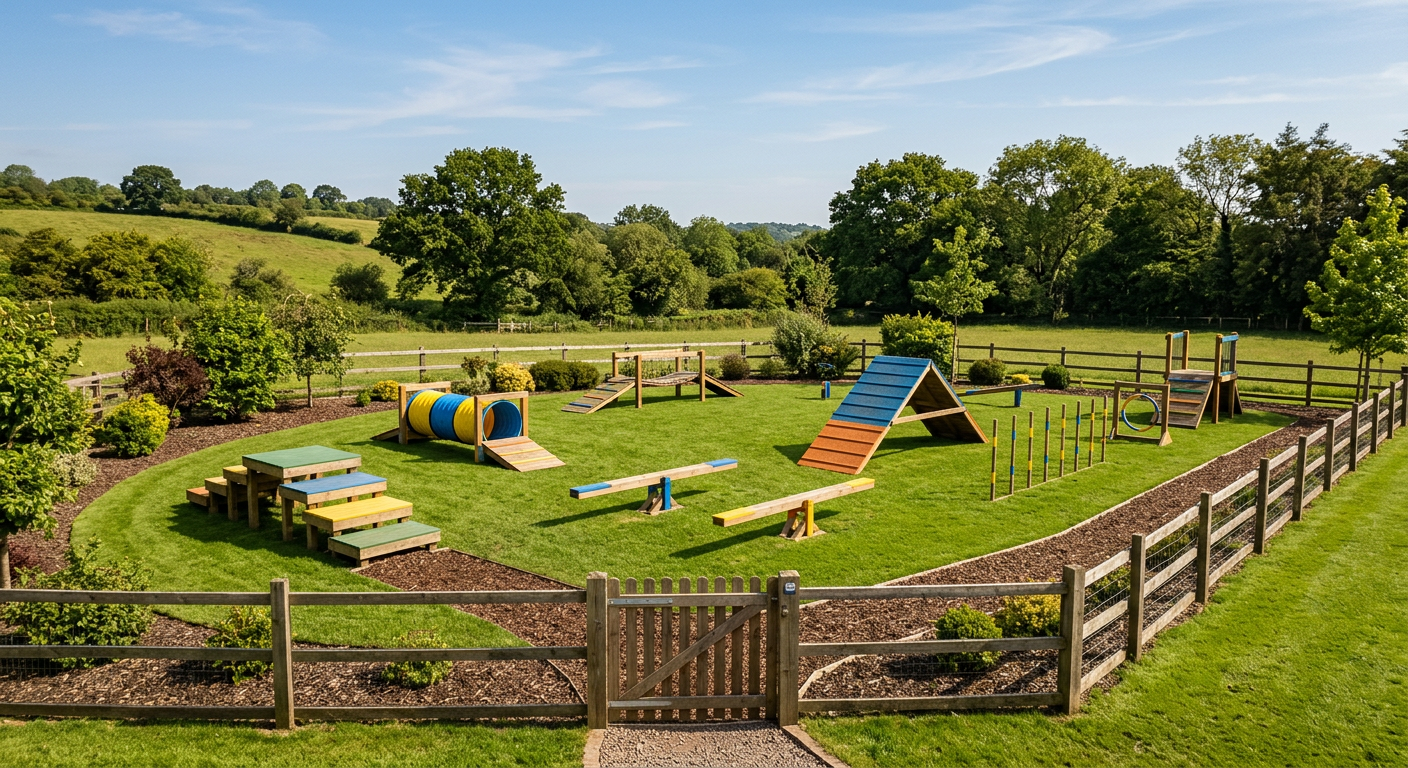
Agility equipment gets a lot of the spotlight, but dog park playground equipment goes beyond competition-style obstacles. Think of these as the jungle gyms of the dog world — structures designed purely for play, exploration, and sensory enrichment.
Climbing Platforms and Steps
Multi-level platforms connected by ramps and steps give dogs places to climb, observe, and rest. Elevated surfaces are especially great for dogs who like to survey their kingdom (guilty as charged). These structures should be made from commercial-grade materials with paw-friendly coatings that are slip-resistant, UV-stable, and urine-repellent, as recommended by The Park Catalog's buyer's guide.
Dog-Specific Bridges and Catwalks
Suspended or elevated walkways challenge a dog's balance and build confidence. They're essentially teeter-totters and balance beams adapted for park play. The wobble factor adds a fun challenge — and watching a Bulldog carefully navigate a catwalk is comedy gold, trust me.
Splash Pads and Water Features
In warmer climates, water features are a game-changer. A ground-level splash pad gives dogs a way to cool down without the drowning risks of a full pool. If your park doesn't have one, you can create a mini version at home with a Ruffwear Trail Runner Portable Dog Bowl and a sprinkler — not as fancy, but my mom Lacey says we work with what we've got.
Digging Pits
Designated digging areas filled with sand or pea gravel satisfy that deep-rooted canine urge to excavate without destroying the rest of the park. Bury some toys in there, and it becomes a treasure hunt. This is enrichment at its finest.
Sensory Stations
Some modern parks include textured surfaces, scent stations, and interactive elements that engage a dog's nose and paws. Since we experience the world primarily through smell, these stations are like an art museum for dogs. Sophisticated, I know.
How to Choose Safe and Durable Dog Park Equipment
Not all equipment is created equal, and as a dog who has personally licked, chewed, and crashed into more structures than I can count, I have opinions on quality.
Material Matters
Commercial dog park equipment should be constructed from powder-coated steel, HDPE (high-density polyethylene), or recycled plastic lumber. These materials resist rust, UV damage, and the relentless assault of dog urine. According to The Park Catalog, paw-friendly coatings on agility equipment must be slip-resistant, UV-stable, and urine-repellent to withstand chewing, claws, and stains while minimizing maintenance.
Size Separation
Any good dog park — and by extension, its equipment — should have separate areas for large and small dogs. A Great Dane launching off a platform is very different from a Chihuahua doing the same. Equipment heights, jump distances, and tunnel diameters should be scaled appropriately.
Smooth Edges and Rounded Hardware
I can't stress this enough. Dogs are chaotic. We run face-first into things. We slide across surfaces at unreasonable speeds. All bolts should be recessed, all edges rounded, and all surfaces smooth. If a piece of equipment could snag fur, cut skin, or trap a paw, it doesn't belong in a dog park.
Ground Surfacing
The equipment is only as safe as the ground beneath it. Engineered wood fiber, rubber mulch, or poured-in-place rubber surfacing provide impact absorption. Concrete and packed dirt? Hard pass. Literally.
Must-Have Support Equipment for Dog Parks
Beyond the agility courses and play structures, there's a whole category of dog park equipment that keeps the park functional, clean, and welcoming.
Waste Stations — Install More Than You Think
Here's a pro tip straight from industry experts: install three times more waste stations — with bag dispensers and trash bins — than you initially planned. The Park Catalog's buyer's guide emphasizes that empty dispensers lead to non-pickup, and the best way to ensure compliance is to make it ridiculously convenient. Nobody wants to walk past poop. Nobody. Not even me, and I think some smells are fascinating.
For your personal trips to the park, I recommend always having the Earth Rated Dog Poop Bags on hand. They're leak-proof, lavender-scented, and my mom Lacey swears by them.
Double-Gate Entry Systems
Also known as "doggie airlocks," these double-gate systems are essential for dog park fencing. They create a small buffer zone between the outside world and the off-leash area, preventing escapes during entry and exit. If your local park doesn't have one, consider advocating for it at your next community meeting. It's one of the most important safety features in modern dog park design.
Water Stations
Dog-height water fountains or spigots with attached bowls keep pups hydrated during play. Dehydration and overheating are real risks, especially during summer. Before heading to the park, make sure you've read up on proper dog park preparation, including bringing your own water bowl, waste bags, and ensuring vaccinations are current.
Shade Structures and Benches
Humans need equipment too! Covered benches and shade structures keep the humans comfortable while we dogs do the hard work of playing. Happy humans stay longer, and longer visits mean more fun for me.
Building a Dog Agility Course in Your Own Backyard
Can't find great dog park equipment near you? Bring the park home! My mom Lacey set up a mini agility course in our backyard, and it's become my favorite place on Earth (after the kitchen, obviously).
Here's what you need to get started:
A basic agility starter kit — The Dog Agility Training Equipment Set by Cheering Pet includes weave poles, a tunnel, a hoop jump, hurdles, and a pause box. It's affordable, portable, and perfect for beginners.
A flat, grassy area — You don't need an acre. A 20x30-foot space is enough for a basic course.
High-value treats — Motivation is everything. I personally negotiate for cheese.
Patience — I didn't master the weave poles on day one. Okay, I didn't master them on day thirty either. But I look adorable trying.
Start with one obstacle at a time, use positive reinforcement, and gradually link them together into a sequence. Before you know it, you'll have a pup who's confident, focused, and completely addicted to agility. You're welcome.
What to Look for in Dog Park Equipment Near You
When evaluating parks in your area, here's my checklist — refined over years of park visits with my mom Lacey:
- Variety of equipment: A mix of agility obstacles, play structures, and enrichment stations keeps things interesting for all dog personalities.
- Proper maintenance: Equipment should be inspected regularly for rust, loose bolts, splintering, and worn surfaces.
- Size-separated areas: Separate zones for small and large dogs are non-negotiable for safety.
- Adequate fencing with double gates: Those "doggie airlocks" prevent escapes and give nervous dogs a decompression zone.
- Cleanliness: Plentiful waste stations, regular grounds maintenance, and clean water sources.
- Shade and seating: Because your humans deserve comfort too.
- Safe ground surfacing: Rubber, mulch, or turf — not concrete or exposed roots.
If your local park is lacking, don't just bark about it — get involved! Attend community meetings, connect with your local parks and recreation department, and advocate for upgraded dog park equipment. Many municipalities are actively planning improvements, as dog parks consistently rank high in annual surveys of planned park enhancements by recreation managers.
The Benefits of Investing in Quality Dog Park Equipment
Let's bring it all together. Whether you're a city planner budgeting for a new community park or a dog parent setting up a backyard course, here's why quality dog park equipment is worth every penny:
- Physical health: Agility equipment promotes cardiovascular fitness, muscle development, and healthy weight maintenance. Remember — 90% of regular park-goers stay at ideal weight!
- Mental stimulation: Obstacles and sensory stations challenge a dog's brain, reducing boredom-related behavioral issues like excessive barking, chewing, and digging (in the wrong places).
- Socialization: Structured play environments encourage positive interactions between dogs and between dogs and humans.
- Community building: Dog parks bring people together. Some of my mom Lacey's best friends are humans she met at the dog park. And some of my best friends are dogs I met on the agility course.
- Property value: Homes near well-equipped dog parks often see increased property values. That's a win for everyone in the neighborhood.
Quality equipment, properly maintained, can last 15-20 years in a public setting. That's thousands of dogs served, thousands of happy tails, and a healthier, more connected community.
Well, friends, we've sniffed every corner of this topic, and I hope you're as excited about dog park equipment as I am every time I see a tunnel in the distance. Whether you're scouting the best-equipped parks near you, advocating for upgrades in your community, or building your very own backyard agility course, remember — the right equipment transforms an ordinary outing into an extraordinary adventure for pups and humans alike. My mom Lacey always says that a tired dog is a happy dog, and there's no better way to earn that glorious post-park nap than a solid session on the agility course. So go explore, go play, and go make every park visit count. Got a favorite piece of dog park equipment or an awesome park near you? Drop a comment below or check out more of my guides at doggieparknearme.com. Until next time — stay golden, stay goofy, and keep those tails wagging! 🐾
— Auggie
Frequently Asked Questions
What is the best dog park equipment for beginners?
For dogs new to agility and park obstacles, start with low-impact equipment like tunnels, low hurdle jumps, and pause tables. These build confidence without overwhelming your pup. A basic agility starter kit with adjustable obstacles is a great at-home investment. Introduce one piece of equipment at a time using positive reinforcement and high-value treats.
How much does it cost to install dog park equipment in a community park?
Costs vary widely depending on scope. A basic agility set for a community park can range from $5,000 to $15,000, while a fully equipped dog park with fencing, double-gate entry systems, shade structures, waste stations, and multiple play structures can cost $50,000 to $150,000 or more. Many communities fund these through grants, donations, and public-private partnerships.
Is dog park agility equipment safe for all breeds and sizes?
Most dog park agility equipment can be used by a range of breeds, but size-appropriate equipment is important. Parks should have separate areas for large and small dogs, with equipment scaled to each group. Always supervise your dog, especially when they're trying new obstacles, and consult your vet if your dog has joint issues or mobility limitations before starting agility work.
What materials are safest for outdoor dog park equipment?
The safest materials include powder-coated steel, HDPE (high-density polyethylene), and recycled plastic lumber. These resist rust, UV damage, and the corrosive effects of dog urine. Surfaces should feature paw-friendly, slip-resistant coatings that are also urine-repellent. Avoid untreated wood, which can splinter, and any materials with sharp edges or exposed hardware.
How can I advocate for better dog park equipment in my area?
Start by attending local parks and recreation department meetings and presenting data on the health and community benefits of well-equipped dog parks. Gather signatures from fellow dog owners, connect with local dog-related businesses for potential sponsorships, and research grant opportunities. Many municipalities are actively planning dog park improvements, so your voice can make a real difference.
Can I set up dog agility equipment in my backyard?
Absolutely! A flat, grassy area of at least 20x30 feet is enough for a basic course. Portable agility kits with weave poles, tunnels, hurdles, and hoop jumps are affordable and easy to set up. Start with one obstacle at a time, use positive reinforcement, and gradually link them into sequences. It's a fantastic way to exercise and bond with your dog at home.
About Auggie
Hi, I'm Auggie! I'm a Golden Doodle who's been to more dog parks than most humans. My mom Lacey and I started Doggie Park Near Me to help every pup find their perfect park. When I'm not sniffing out new spots, you'll find me napping in the sun or begging for treats.
Learn more about us →More From Auggie

DIY Dog Park Equipment You Can Build This Weekend
Woof! I'm Auggie, and I'm here to show you how to build amazing DIY dog park equipment in just one weekend. From PVC agility jumps to A-frame ramps and weave poles, these budget-friendly projects will transform your backyard into a dog park paradise. Let's build something awesome together!

How to Build a Backyard Dog Park (Step-by-Step Guide)
Woof! It's Auggie here with the ultimate step-by-step guide to building a backyard dog park your pup will absolutely love. From fencing and ground surfaces to agility equipment and safety protocols, I'm covering everything you need to create a tail-wagging paradise right in your own yard. Let's get digging!

How I find a doggie park near me, Auggie's quick guide
Hi there, I’m Auggie the Golden Doodle, and I’m here to lead you on my tail-wagging adventure at a doggie park near me. Discover my favorite local spots, essential park etiquette tips, and how each visit boosts my energy and happiness. Join me as I sniff out secrets behind the best dog parks, all wrapped in fun, firsthand insights you won’t want to miss!