Dog Parks in West Virginia
West Virginia is home to an estimated 461,000 dogs living in approximately 240,000 dog-owning households, based on 2025 projections. With a human population of 1,766,147 as of 2023, that means roughly one in every four Mountain State households includes at least one dog. Despite that substantial canine population, the state's documented off-leash infrastructure is still developing. Our current directory tracks 19 dog parks across 17 cities — a modest number for a state this size, but one that reflects real growth in communities investing in dedicated dog spaces.
All 19 parks in this inventory are tagged as off-leash areas, meaning dogs are permitted to run free within designated boundaries. However, the underlying data comes from OpenStreetMap imports, which means amenity details are sparse. Fencing, water access, shade, parking, and surface conditions are not consistently documented for most of these parks. This guide will help you understand where the parks are, what to expect from West Virginia's climate, and how to confirm details before you load up the car.
Where West Virginia's Dog Parks Cluster
The state's 19 dog parks are distributed across 17 cities, but they are not evenly spread across the map. The clearest cluster sits in the greater Charleston metro area, where multiple communities have built dedicated off-leash spaces within a relatively short drive of each other. A second concentration exists in the Huntington region, which accounts for three of the state's 19 listings.
Beyond those two metros, most parks are single-park communities — cities and towns with one off-leash area serving local residents. These include parks in the Eastern Panhandle, the Ohio River corridor, and the north-central part of the state. If you live in or near one of these 17 cities, you likely have at least one option nearby. If you are outside these communities, the nearest documented dog park may require a drive.
Huntington: Three Parks, One City
Huntington stands out as the city with the most documented dog parks in West Virginia, with three listings in our directory. All three are tagged as off-leash areas:
The presence of three separate listings with the same name is worth noting. This can indicate multiple enclosures within a single park complex, separate dog parks in different parts of the city, or duplicate entries in the OpenStreetMap data that need reconciliation. If you are planning a visit, we recommend checking locally to confirm which of these represents the facility closest to you and whether they are distinct locations or a single site listed multiple times.
Huntington sits along the Ohio River in Cabell County and is the second-largest city in West Virginia. Having multiple off-leash options makes it one of the more dog-friendly municipalities in the state for owners who want space for their dogs to exercise freely.
The Charleston Metro Cluster
The Charleston metropolitan area accounts for a significant share of West Virginia's dog park inventory. Charleston itself has one documented park — Ruth Rafferty Peyton Dog Park — but neighboring communities within the metro add several more to the count.
To the west of Charleston, Nitro offers the Ridenour Memorial Park Dog Park. South Charleston has the Joplin Park Dog Park. Hurricane, situated along the I-64 corridor between Charleston and Huntington, is home to the Valley Park Dog Park. Teays Valley, also in Putnam County near Hurricane, has its own off-leash area. This concentration means dog owners in the Kanawha Valley region have multiple options within a reasonable driving distance.
Charleston, as the state capital and largest city, serves as the hub for this cluster. The surrounding communities in Kanawha and Putnam counties have collectively built out more off-leash infrastructure than most other regions of the state.
Parks Across Northern West Virginia
Moving north from the Charleston metro, several communities along the I-79 corridor and the Ohio River have established dog parks. Clarksburg and Fairmont, both in the north-central part of the state, each have a single documented off-leash area. The Fido Dog Park in Fairmont and the Clarksburg Dog Park serve their respective local dog-owning populations.
Further north, Morgantville-area dog owners can visit the Bark Park in Granville. Vienna, located along the Ohio River in Wood County near Parkersburg, has the North Hills Dog Park. And in Wheeling — the northernmost city in West Virginia's Northern Panhandle — the Fitzsimmons Family Dog Park provides an off-leash space for Ohio Valley residents.
New Martinsville, another Ohio River community in Wetzel County, has the Lewis Wetzel Park Dog Park. These northern parks are spread out geographically, so owners in this region should expect some travel time between locations.
Eastern Panhandle and Southern Parks
West Virginia's Eastern Panhandle — the section of the state closest to Washington, D.C., and Maryland — has two documented dog parks. Berkeley has the Berkeley Dog Park, and Martinsburg has the Ambrose Park Dog Park. This region has grown steadily in population as commuters and remote workers have settled in Jefferson and Berkeley counties, so demand for dog-friendly infrastructure is likely to increase.
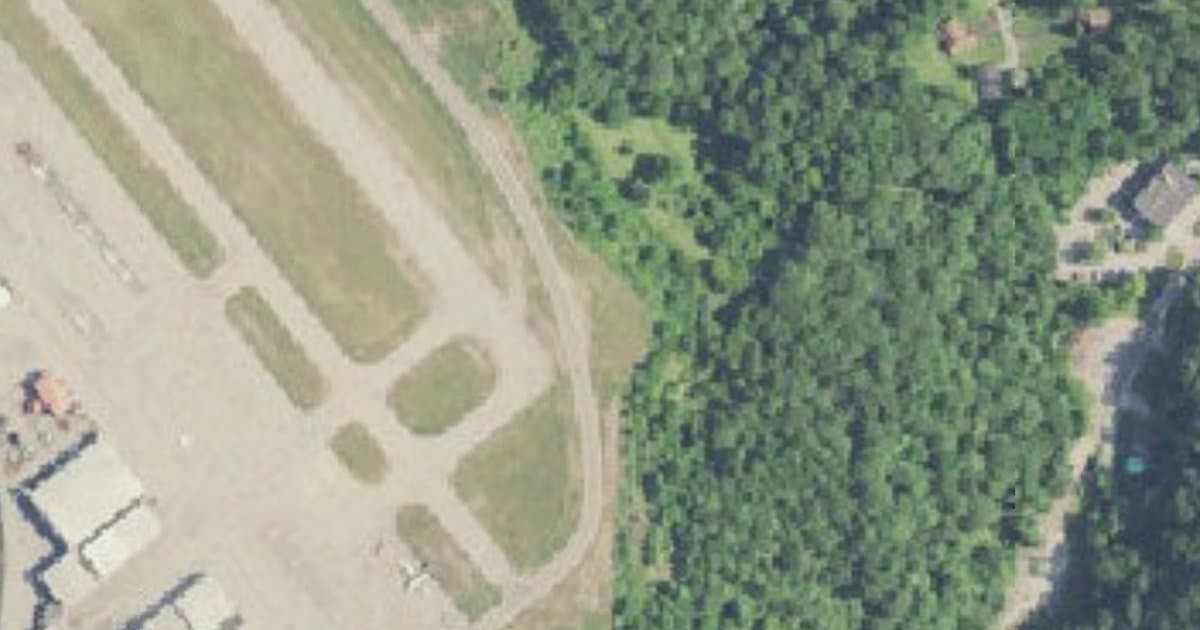
In the southern part of the state, Kenna has a single dog park listed. Milton, located in Cabell County near Huntington, has the City of Milton Dog Park. Airport Village, a small community near the Yeager Airport area close to Charleston, rounds out the list with the Airport Village Dog Park.
West Virginia Climate and Seasonal Guidance
West Virginia has four distinct seasons, and each one affects how you and your dog will experience outdoor spaces. Summers are warm and humid, particularly in the river valleys where many of the state's cities are situated. July high temperatures routinely reach the mid-80s to low 90s Fahrenheit. If you visit a dog park during summer months, mornings and evenings are generally the most comfortable times. Heat and humidity can be taxing for dogs, especially thick-coated breeds, so bring water and watch for signs of overheating.
Fall is widely considered the best season for outdoor activity in West Virginia. Temperatures cool into the 60s and 70s, humidity drops, and the state's heavy tree cover produces vivid autumn color. Dog parks with natural grass or dirt surfaces — which describes most of the parks in this inventory — are generally pleasant in fall, though wet weather can create muddy conditions.
Winters are variable. Lowland areas along the Ohio and Kanawha rivers may see relatively modest snowfall, while higher-elevation communities can receive significant accumulation. Ice and frozen ground can make dog park surfaces hard and uneven. Some parks may be less maintained in winter, and shorter daylight hours limit evening visits.
Spring brings warming temperatures but also frequent rain. West Virginia receives roughly 40 to 50 inches of precipitation annually depending on location, and spring months can be particularly wet. Natural-surface dog parks may be muddy after rain, so plan accordingly and consider bringing a towel for your dog.
What to Verify Before You Go
The data in this directory was ingested from OpenStreetMap, a collaborative mapping project. While OpenStreetMap provides valuable geographic data, the information for individual dog parks is often contributed by volunteers and may not be regularly updated. Most of the 19 parks listed here have minimal detail beyond their name, city, and off-leash designation.
Before visiting any park on this list, we recommend confirming the following locally:
- Is the park fenced? None of the parks in this inventory are tagged as fully fenced in our current data. If containment is important for your dog's safety, verify fencing directly with the managing city or parks department.
- Is the park still open? Parks can close temporarily for maintenance, weather damage, or other reasons. Check municipal websites or call the relevant parks department.
- What are the access conditions? Parking availability, entrance locations, and any applicable fees are not documented in our data for most of these parks.
- Are there rules beyond off-leash designation? Some parks may require permits, vaccination proof, or have restrictions on dog size or number.
If you visit a park and find that information in our directory is incorrect — a park has closed, moved, or never existed at the mapped location — please let us know. You can report corrections through our site, and we will update the listing. Accurate data depends on community feedback.
Leash Laws and Park Etiquette in West Virginia
West Virginia does not have a single statewide leash law. Instead, animal control regulations are established at the county and municipal level. Most cities and counties require dogs to be leashed when in public spaces unless they are in a designated off-leash area. The 19 parks in this directory are tagged as off-leash spaces, which means that within their boundaries, dogs are generally permitted to run free.
Even in off-leash areas, basic etiquette applies. Keep your dog under voice control or within visual range. Do not bring a dog that is aggressive toward people or other animals. Pick up after your dog — most parks expect owners to carry their own waste bags, though some may provide stations. If your dog is not spayed or neutered and is in heat, skip the park visit. Puppies that have not completed their vaccination series should also stay home.
Rabies vaccination is required for all dogs in West Virginia under state law. Keep your dog's vaccinations current, and carry proof if a park requires it.
Planning Your Visit
With 19 documented dog parks across 17 cities, West Virginia's off-leash infrastructure is growing but still limited compared to more densely populated states. The parks that do exist are concentrated in the Charleston and Huntington metro areas, with the remaining facilities spread across the state's other cities and towns.
Use this directory to identify parks near you, then take the extra step of confirming details with local sources before you visit. As more communities invest in dog-friendly spaces and as our data improves through community corrections, this guide will continue to be updated to reflect the current landscape.