Dog Parks in Washington: 261 Off-Leash Areas from Seattle to Spokane
Washington state offers 261 documented dog parks spread across its diverse landscapes, from the dense urban corridors of the Puget Sound to the high desert of the Columbia Plateau. Seattle leads with 14 facilities, followed by Seattle village at 12, Everett with 7, Tacoma at 6, and Vancouver rounding out the top 5 cities. Eighty parks provide water access for dogs that enjoy swimming or splashing, while fenced options range from fully enclosed to unknown status depending on local maintenance. our directory captures facilities across 39 counties, with concentrations along the I-5 corridor and growing numbers in the Spokane metro and Tri-Cities region. Park density correlates strongly with population centers, though rural counties maintain at least one documented option for local residents and travelers passing through on major highways.
Top dog parks in Washington
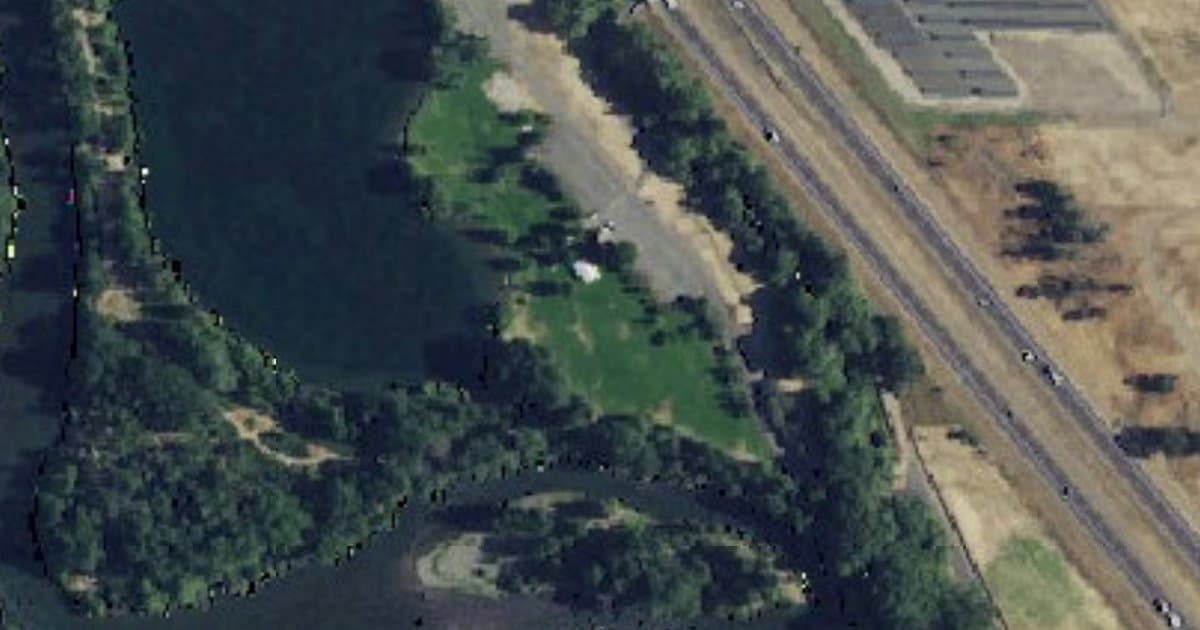
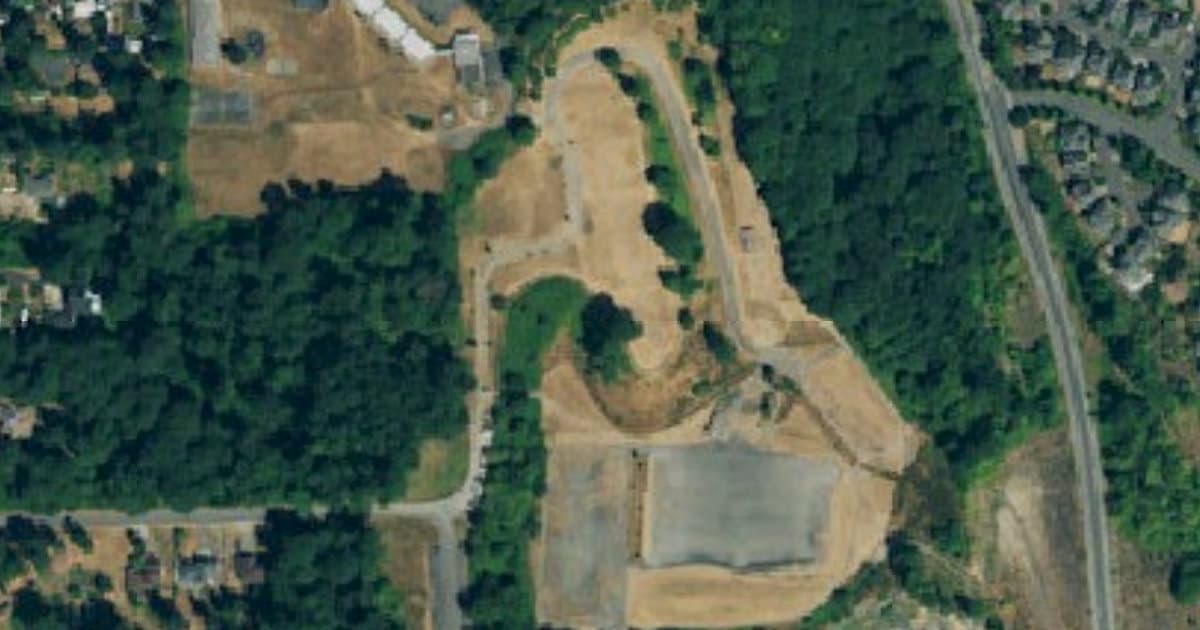
Eight facilities stand out for their ratings and written descriptions. Ephrata Dog Park in Ephrata village earns a perfect 5-star rating as a fully fenced off-leash area with separate sections for different dog sizes. Hounds Hollow Dog Park in Bonney Lake village also rates 5 stars within the Tehaleh community, featuring spacious grounds and water access. Irene Rinehart Riverfront Park in Ellensburg village spans 117 acres along the Yakima River, offering water access though fencing status remains listed as unknown.
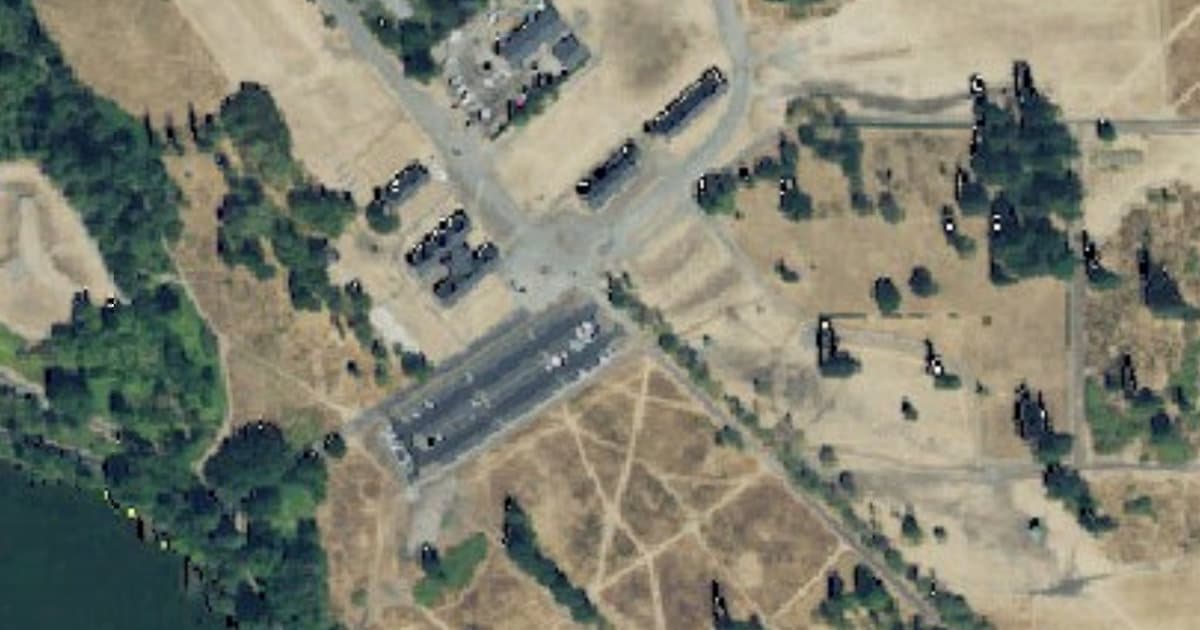
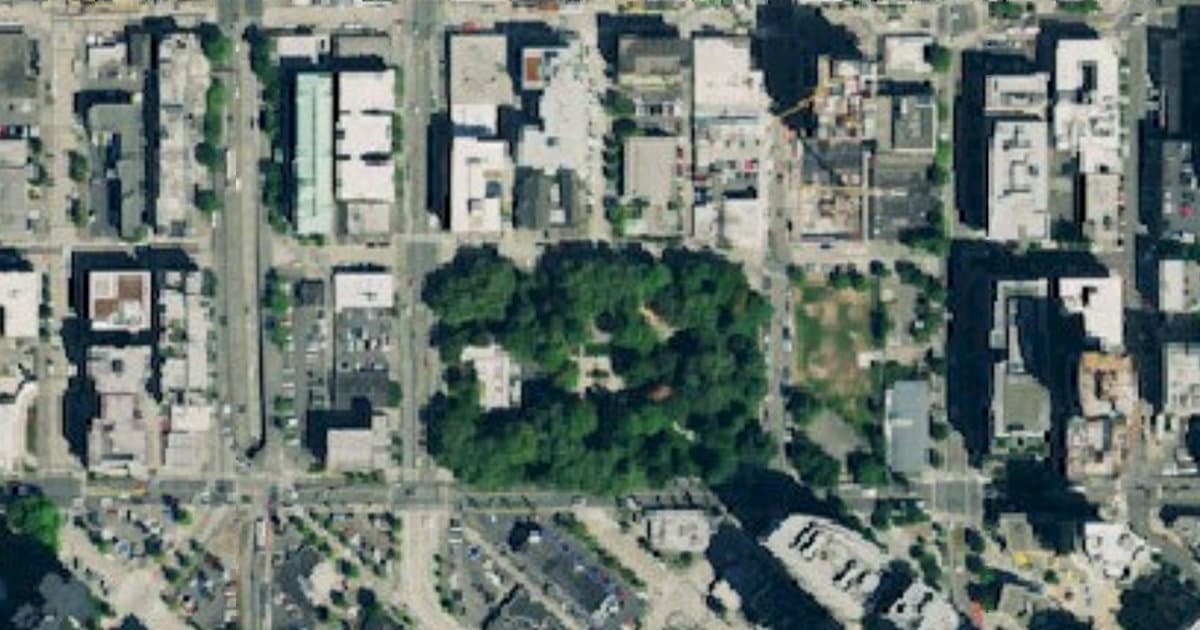
Fort Steilacoom Dog Park in Lakewood provides 22 acres of fully fenced off-leash space with thoughtful landscaping and multiple activity zones. Rotary Bark Park in Gig Harbor covers 97 acres total, including a 15-acre fenced off-leash zone that draws visitors from across the Kitsap Peninsula. Denny Park Off-Leash Area sits in Seattle's oldest park, established in 1853, with full fencing and water access that makes it a year-round destination despite the frequent rain. The park's central location and historic setting attract both neighborhood residents and visitors exploring downtown Seattle attractions.
Grandview Off-Leash Dog Park in SeaTac spans 37 fenced acres that include walking trails and forest paths, appealing to owners who prefer natural settings over manicured turf. Pawsome Park and Lodge in Everett operates as a full-service indoor facility downtown, rated 5 stars with no water access but comprehensive amenities including climate control and structured play programs. Each of these parks links directly to its listing page for hours, photos, and recent reviews. These counts may shift as new facilities are documented or existing ones update their status through community submissions and verification processes.
Climate and seasonal patterns
Washington's maritime climate west of the Cascades brings mild, wet winters and comfortable summers, while the eastern side experiences hotter summers and colder winters with less precipitation. Dog owners on the west side should expect muddy conditions from fall through spring, making waterproof gear and towel routines essential after park visits. Summer months from June through September offer the most reliable dry weather for extended outdoor time, though occasional marine layers can bring morning fog to coastal areas and extend into the afternoon during particularly cool periods.
East of the mountains, summer heat can reach uncomfortable levels for dogs during midday hours, particularly in the Yakima Valley and Columbia Basin where temperatures regularly exceed 90 degrees. Early morning or evening visits become preferable from June through August. Winter snow accumulation varies widely by elevation, with higher mountain passes seeing significant accumulation that may limit access to remote parks for weeks at a time. Year-round water sources remain more reliable west of the Cascades due to consistent rainfall patterns, while eastern reservoirs and rivers provide seasonal access that peaks during spring runoff from mountain snowmelt.
Leash laws and local regulations
Washington does not maintain a single statewide leash law statute published in one location. Individual counties and cities set their own rules, which range from strict leash requirements in all public spaces to designated off-leash zones within parks. Seattle maintains specific off-leash area rules that differ from surrounding King County regulations, with some parks requiring permits and others operating on a first-come basis. Pierce County, Snohomish County, and Clark County each publish their own guidelines that may change seasonally or with new facility additions.
Dog owners should verify current rules for their specific destination before visiting. City and county websites typically list designated off-leash parks along with any permit requirements or time restrictions. When in doubt, keep dogs leashed outside marked off-leash zones and follow posted signage at each location. Enforcement varies by jurisdiction, with some areas conducting regular patrols and others relying on user self-regulation and community reporting. Violations can result in citations ranging from warnings to fines depending on the severity and local ordinances in effect at the time.
What to expect at Washington dog parks
Most facilities operate dawn to dusk, though some city parks maintain specific hours tied to staffing or lighting availability. Water access varies from designated splash areas to natural shorelines along rivers and lakes, with some locations offering both options depending on the season and water levels. Waste bag dispensers and trash receptacles appear at many locations, though bringing backup supplies remains advisable during peak weekend hours when dispensers may empty faster than scheduled restocking allows.
Parking availability differs significantly between urban and suburban sites, with street parking common in denser neighborhoods and dedicated lots at regional facilities. Surface types range from grass and bark chips to gravel and natural forest floor, with some parks providing agility equipment or separate small-dog sections. Others remain simple open fields designed for basic exercise. Checking recent reviews helps identify current conditions, especially after winter storms or summer heat waves that can affect turf quality and water availability at specific locations.
Regional variations across the state
The Puget Sound region accounts for the majority of documented facilities, with King, Pierce, and Snohomish counties hosting dense clusters around Seattle, Tacoma, and Everett. Kitsap County across the water maintains several waterfront parks that benefit from ferry-accessible day trips from downtown Seattle. Clark County in the southwest corner near Portland shares some regional patterns with Oregon facilities across the Columbia River, creating a cross-border community of regular visitors who may frequent parks on both sides.
Spokane County in eastern Washington has seen steady growth in documented parks, though the total count remains lower than western population centers. The Tri-Cities area along the Columbia River offers several riverfront options that see heavy summer use from residents seeking relief from the heat. Central Washington counties like Kittitas and Grant provide scattered facilities that serve agricultural communities and travelers along I-90 and I-82 corridors who need exercise stops during long drives between major destinations.
Planning visits with multiple dogs
Households with dogs of different sizes or energy levels may benefit from parks that offer separate sections or varied terrain. Fully fenced facilities provide peace of mind for reactive dogs or those still learning recall commands. Water access appeals to breeds with strong swimming instincts, while shaded areas become essential during summer months when temperatures climb. Many owners scout multiple parks within driving distance to rotate locations and avoid overcrowding during peak evening hours after work when most facilities see their highest attendance from commuters and families. Advance planning helps ensure positive experiences for dogs and owners alike.