Dog Parks in Texas: Where to Find Off-Leash Space Across 569 Locations
Texas covers more ground than most countries, and its dog parks reflect that scale. From the pine forests of East Texas to the desert basins around El Paso, owners can choose among 569 documented off-leash areas. The five cities with the largest inventories are Austin with 39 parks, Houston with 37, San Antonio with 26, Dallas with 17, and El Paso with 9. These counts come from our listings and shift as new facilities open or older ones close for renovation.
How Texas Dog Parks Are Distributed
Population centers drive park density. The Austin metro area leads because of rapid suburban growth and consistent municipal funding for green space. Houston follows closely despite its sprawling layout; many parks sit inside larger county precincts rather than city limits. San Antonio's inventory clusters along the northern and western corridors where new subdivisions include dedicated dog zones. Dallas parks often share acreage with sports fields or flood-control basins, a pragmatic use of urban land. El Paso maintains fewer sites but each tends to be larger to serve a spread-out population in a high-desert climate.
Smaller cities and towns add another layer. Spring, Katy, Flower Mound, Roanoke, Fredericksburg, and Rockport each host notable facilities that draw regional visitors. Even modest towns like Abilene and Midland prove that a single half-acre with waste stations and shade can anchor a neighborhood. A 5-acre fenced area with shade, water, and separate small-dog sections can serve a community for years with modest maintenance.
Eight Standout Facilities
The eight parks below earned the highest user ratings among Texas listings that include written descriptions.
Dog Park at Pundt Park in Spring combines a fully fenced main area with water access, kiddie pools, and a dedicated bathing station. Separate small and large dog zones reduce size-based conflicts. Wide walkways, double-gate entry, and waste-bag stations keep the space functional for handlers managing several dogs at once. Shady trees provide relief during humid Gulf Coast summers.
MUTTS Canine Cantina in Fort Worth operates as a hybrid dog park and social venue. Owners can order food and drinks while dogs play in fully fenced sections sized for small and large breeds. Staff members known as bark rangers circulate to handle waste and refill water. Memberships and day passes accommodate both regulars and occasional visitors. Evening events such as yappy hours and outdoor movie nights add a community calendar.
ZBonz Dog Park at North Z Boaz Park occupies a 10-acre former golf course in Fort Worth. The layout splits into a 7-acre large-dog zone and a 3-acre small-dog zone. Two aerated ponds allow swimming, while tunnels, ramps, and jumps provide agility options. Shaded shelters and pet drinking fountains line the perimeter. Irrigation keeps the turf resilient through North Texas heat.
Dog Park at Memorial Park sits inside Rockport's 92-acre municipal park. The 2-acre fenced dog area offers water stations, automatic bowls, training props, and generous shade from live oaks. Separate sections for large and small dogs, plus well-maintained grounds, make the site practical for coastal visitors who want a shaded break during beach days.
Katy Dog Park opened in March 2007 and covers 14 acres with separate small and large breed zones. A wading pool, custom dog showers, fountains, a third-of-a-mile walking path, and an agility course occupy the west side. Public restrooms and shaded seating support longer visits. The park has aged well because of consistent irrigation and tree cover.
Freedom Dog Park in Roanoke serves Trophy Club residents with an 8.3-acre leash-free zone. A training area, wooded natural section, and open grassy fields give dogs varied terrain. Agility courses, dog water fountains, shaded pavilions, and a children's playground sit within the fenced perimeter. Small-dog (under 35 lbs) and large-dog sections remain fully separate.
Hound Mound Dog Park in Flower Mound covers 5 acres of hybrid Bermuda turf with irrigation and natural shade. Lighted and video-monitored parking adds security for evening visits. Separate small and large dog areas, water fountains, waste stations, and ramps integrated into the landscape keep the site functional. The east-side location within Heritage Park makes it convenient for local families.
Fredericksburg Dog Park opened in 2018 inside Lady Bird Johnson Municipal Park. The 5-acre ADA-accessible facility offers water stations, seating, and shade for both residents and Hill Country tourists. Separate small and large dog sections reduce friction. The park's central location makes it a practical stop for travelers crossing the Edwards Plateau.
Climate and Seasonal Patterns
Texas weather dictates park usage more than any other factor. Coastal humidity and salt air accelerate wear on metal equipment and require more frequent fountain maintenance. Central Texas summers push temperatures above 100 F for weeks; parks with deep shade and multiple water points stay busier during those stretches. The Panhandle and High Plains experience sudden freezes that can ice over ponds and fountains, prompting temporary closures. Desert parks near El Paso contend with intense UV exposure and wind-blown sand that can irritate eyes and paws.
Spring and fall remain the most comfortable windows for extended visits. Summer requires extra water, paw protection on pavement, and early or late timing. Winter brings milder conditions along the Gulf Coast but occasional hard freezes that limit water access farther north. Checking local forecasts before travel prevents unpleasant surprises at the gate.
Leash Laws and Enforcement
Texas does not maintain a single statewide leash statute. Cities, counties, and park districts adopt their own ordinances that may require leashes outside designated off-leash zones, mandate waste removal, or set hours of operation. Some municipalities publish detailed codes online; others rely on posted signage and staff presence. Fines and enforcement frequency vary. Handlers planning to visit multiple jurisdictions should consult each city's animal services page or call the non-emergency number listed at park entrances. When in doubt, verify locally rather than assume uniformity.
Park Maintenance and Funding
Most Texas dog parks rely on a mix of municipal budgets, county precinct funds, and private donations. Irrigation, waste removal, and fence repairs represent recurring costs. Facilities that attract steady visitors often develop "friends of the park" groups that organize volunteer workdays and small fundraisers. Larger sites with restaurants or membership models (MUTTS) generate revenue that offsets staffing. Smaller neighborhood parks depend more heavily on city crews for mowing and trash pickup. Reporting damage or missing waste bags to the listed contact number helps staff prioritize repairs.
What to Expect on a First Visit
Arrive with waste bags, a collapsible water bowl, and a leash for entry and exit. Scan posted rules for any breed, size, or hour restrictions. Enter through the double-gate airlock if present, close each gate before releasing your dog, and keep an eye on body language during initial greetings. Many parks post staff or volunteer cell numbers for urgent issues. If a dog appears unwell or aggressive, exit calmly and notify the contact on the sign. Most parks operate on an honor system; consistent responsible use keeps them open and well maintained.
Frequently Asked Questions
Do all Texas dog parks require memberships?
No. The majority of municipal parks listed here are free and open to the public during posted hours. Facilities such as MUTTS Canine Cantina offer optional memberships for unlimited access, but day passes are also available.
Are small and large dogs separated at most parks?
Many of the higher-rated parks maintain separate fenced sections. Check the feature list for each park before visiting, especially if you have a small dog or a dog that prefers calmer company.
Can I bring water for my dog?
Yes. Most parks provide drinking fountains or water stations, and handlers are encouraged to carry collapsible bowls during hot weather. Some parks post reminders about heat safety.
What should I do if another dog seems aggressive?
Leave the area calmly, keep your dog close, and notify park staff or the city animal control number posted at the entrance. Most parks rely on owner responsibility rather than constant supervision.
Are there parks with swimming areas?
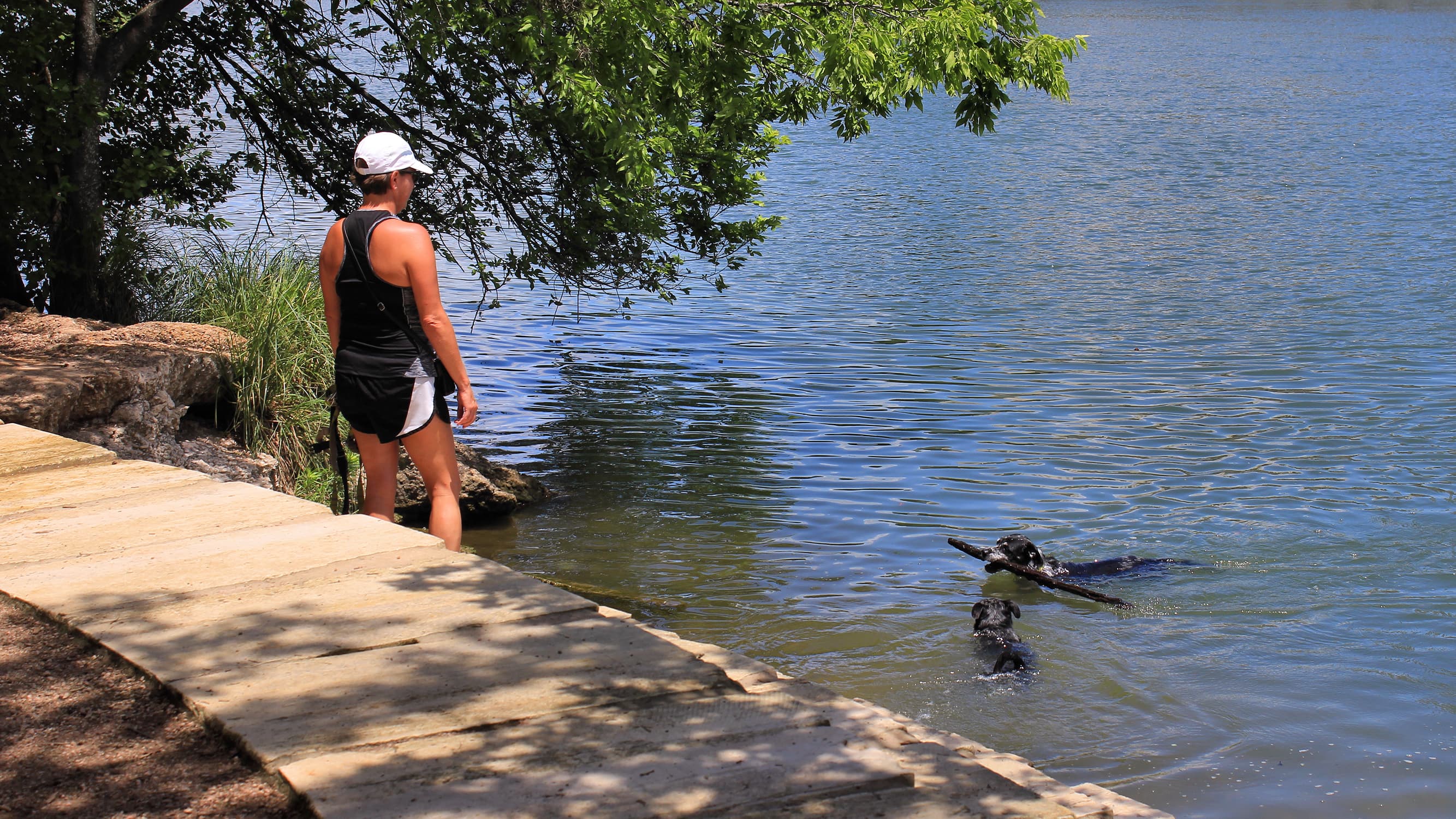
Several facilities (Pundt Park, ZBonz, Katy) include wading pools, aerated ponds, or water access. Confirm current water quality and any seasonal closures before planning a swim day.
Do Texas parks enforce waste removal?
Local ordinances generally require handlers to clean up after their dogs. Many parks supply waste bags and receptacles; a few (MUTTS) employ staff for regular patrols.
Can I visit with a puppy that has not completed all vaccines?
Veterinarians typically recommend waiting until core vaccines are complete and the puppy is at least four to six months old. Check with your vet for individualized advice.