Dog Parks in Tennessee: 168 Sites from Nashville to the Smokies
Tennessee hosts 168 documented dog parks spread across ninety-one cities, with Nashville claiming the largest share at twenty locations. Knoxville follows with twelve parks, while Memphis, Chattanooga, and Franklin round out the top five with ten, eight, and six respectively. Eighty-one sites offer water access and eighty-eight include a designated small-dog area, according to our listings. The state ranks sixteenth nationally in total park count and seventeenth in parks per million residents, which reflects a solid if unevenly distributed network of off-leash options across its three grand divisions.
Leash Regulations in Tennessee
Tennessee does not enforce a single statewide statute governing dog parks. Each municipality and county sets its own entry rules, time restrictions, and tag requirements. Some cities require proof of current rabies vaccination or a municipal license displayed on the collar; others post signs that simply restate "leash on entry, off-leash inside the run." Enforcement sits with local police or animal control, so the safest approach is to read the posted rules at the gate and verify on the city or county website before traveling.
The Tennessee Department of Health maintains general guidance on rabies vaccination requirements at https://www.tn.gov/health/. Individual cities layer additional licensing or permit rules on top of state health mandates. An owner who has visited Nashville parks should not assume the same rules apply in Knoxville or Memphis. Clarksville, for instance, requires an annual membership at King's Run Bark Park to confirm vaccination compliance, while most municipal runs across the state operate on a first-come basis with no registration.
Eight Parks Worth a Visit
The eight parks below represent a geographic cross-section of Tennessee's off-leash offerings, spanning the major metros and covering different feature sets across the state.
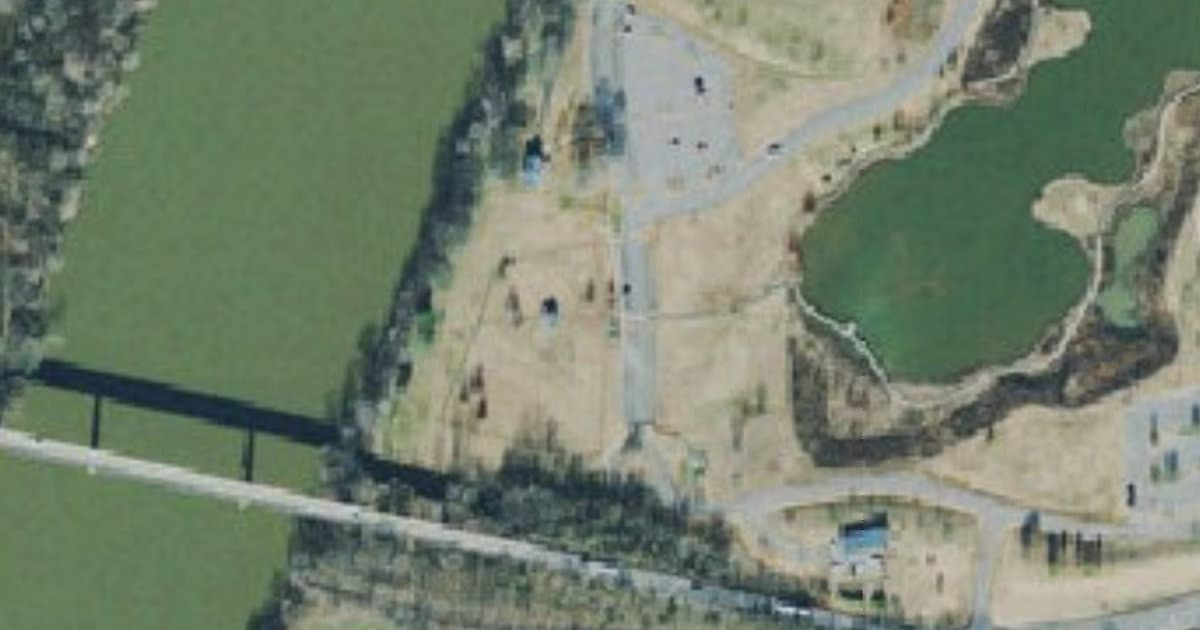
King's Run Bark Park in Clarksville stands as one of the more amenity-rich sites in the state, with a two-acre fenced footprint inside Liberty Park. The listing notes a manmade pond, walking trails, shaded areas, dog drinking fountains, waste stations, benches, and obstacles. An annual membership requirement helps ensure all dogs are vaccinated and healthy, a policy that sets it apart from most open-access municipal runs in Tennessee.
Centennial Dog Park sits inside Nashville's Centennial Park, one of the city's most visited green spaces near the Parthenon replica. The fully fenced layout includes water access and a small-dog area, and its central location draws both residents and tourists exploring the surrounding museums and Music Row attractions. Its combination of amenities and visibility makes it one of the busiest off-leash spots in the state.
PetSafe Concord Dog Park anchors the Knoxville dog-park scene as part of the city's PetSafe network of off-leash facilities. The fully fenced park includes water access and a designated small-dog area. Knoxville's twelve parks benefit from the PetSafe brand presence, which has invested in multiple well-maintained runs across the city.
Shelby Farms Park in Memphis offers water access within one of the largest urban parks in the United States. The listing notes that it connects to the Shelby Farms Greenline corridor, giving owners the option to extend their visit with on-leash walks along miles of paved trail after off-leash play.
Chattanooga Chew Chew Canine Park serves as the most amenity-rich off-leash option in Chattanooga, with water access and a small-dog area. The park's location near downtown Chattanooga gives visitors a convenient stop between exploring the Tennessee Aquarium, Lookout Mountain, and the city's riverfront attractions.
Freedom Run Dog Park in Franklin provides a well-appointed fenced option for Williamson County residents south of Nashville. The park includes water access and a small-dog area, and its location along the I-65 corridor makes it a practical stop for commuters who prefer to exercise their dogs before or after the drive into Nashville.
Murfreesboro Bark Park serves the Rutherford County community near Middle Tennessee State University. The listing confirms off-leash access within a fenced run, giving students and local families a dedicated exercise space without the drive into Nashville.
Johnson City Dog Park brings the selection east toward the Tri-Cities region of upper East Tennessee. The fully fenced park includes water access and a small-dog area, giving residents of Johnson City, Jonesborough, and surrounding communities a reliable off-leash destination near the Appalachian foothills.
Regional Distribution and Travel Patterns
Tennessee's 168 parks distribute unevenly across its three grand divisions. Middle Tennessee accounts for the densest concentration, with Nashville's twenty parks serving both urban residents and suburban commuters from Brentwood, Franklin, and Murfreesboro. East Tennessee listings cluster around Knoxville and the Smokies foothills in Sevierville, Pigeon Forge, and Gatlinburg, while West Tennessee parks concentrate in Memphis and Shelby County.
Interstate 40 runs east to west across the entire state from Memphis through Nashville to Knoxville, making road-trip stops practical at multiple points. Clarksville sits north of Nashville along I-24, Chattanooga anchors the southeastern corner along I-75, and the Tri-Cities of Johnson City, Kingsport, and Bristol stretch along I-81 in the northeast. Several Love's Travel Stops along these corridors, including locations in Baxter, Hillsboro, and White House, provide basic fenced exercise spaces with small-dog areas for travelers who need a quick stop between destinations. These travel-stop parks lack the full amenities of municipal sites but serve a practical purpose for road-tripping owners covering long stretches of highway.
Smaller communities across the state still maintain dog parks worth knowing about. Oak Ridge hosts three sites, including Big Turtle Dog Park and Hops and Hounds, a dog-bar hybrid. Jackson offers two runs in West Tennessee, and Sevierville anchors the Smokies entrance with PetSafe Unleashed Dog Park, which draws heavy traffic from tourists visiting the national park.
Surface Types and Maintenance
Tennessee dog parks use a range of surfaces depending on local budgets and maintenance capacity. Nashville metro facilities increasingly install artificial turf or crushed stone to handle heavy daily traffic and reduce mud after rain. East Tennessee parks near the Smokies often retain grass or wood-chip surfaces, where lower foot traffic allows natural turf to recover between peak seasons. Memphis parks contend with humid summers that can turn unshaded turf into a heat sink, so many facilities add shade structures or schedule early-morning cleaning to keep surfaces comfortable. Owners should expect seasonal mud during spring thaws and after heavy summer storms across the state. Afternoon thunderstorms are common from April through September, and many parks post signs advising visitors to seek shelter when lightning approaches. Always check the park listing for shade structures or nearby tree cover if your dog overheats quickly.
Seasonal Conditions Across Tennessee
Tennessee's humid subtropical climate produces hot, sticky summers and relatively mild winters, though the eastern counties see more elevation-driven temperature variation than the western lowlands. Summer temperatures from June through August regularly reach the low nineties with humidity that pushes the heat index well above ambient readings. Unshaded turf can become uncomfortable for paw pads during midday, so early morning and evening visits offer the safest conditions statewide during peak summer.
Winter brings occasional ice storms that can close runs for days until temperatures rise. The Nashville area typically sees a handful of significant winter storms per season, while Memphis and West Tennessee tend toward rain rather than snow. Spring and fall offer the most predictable windows, with moderate temperatures and lower pollen counts than peak summer months. Parks near Gatlinburg and Pigeon Forge see increased foot traffic during fall foliage season.