Ohio Dog Parks: 264 Off-Leash Options Across the Buckeye State
Ohio lists 264 dog parks in the current directory, with Cincinnati (14) and Columbus (12) leading the count. Cleveland hosts six parks, Toledo five, and Dayton four. Delaware, Canton, Westerville, Zanesville, and Sidney each appear with three listings. Our listings confirm 172 parks with full fencing and 91 with documented water access.
Ohio Park Landscape
Population centers shape the distribution. Cincinnati's 14 parks and Columbus's 12 reflect both city size and municipal investment in off-leash infrastructure. Cleveland's six sites serve a metro area that spans multiple neighborhoods, while Toledo and Dayton maintain smaller but functional inventories for their residents.
Smaller cities such as Delaware, Canton, Westerville, Zanesville, and Sidney each host at least three parks. These mid-sized communities demonstrate that dedicated dog space does not require a major metro address. A single fully fenced facility with waste stations and shade can serve local owners for years with modest upkeep.
Private and semi-private options add variety. Mutt's Paradise in Delaware operates as a rental-only facility with a 1-acre pond, targeting reactive or special-needs dogs that cannot use public parks. RJ Wags Park in Cincinnati requires temperament testing and spay/neuter, operating as a private membership space. These models complement the free public inventory rather than replace it.
Eight Top-Rated Parks
The eight parks below earned the highest user ratings among Ohio listings that include written descriptions.
Mutt's Paradise Amusemutt Park & Training Center in Delaware operates as a 6-acre private rental facility with a 1-acre pond for swimming. The park targets reactive or special-needs dogs that cannot share space with others. Hourly fees start at $10, and proof of vaccination is required. The exclusive-access model provides an alternative when public parks are not suitable.
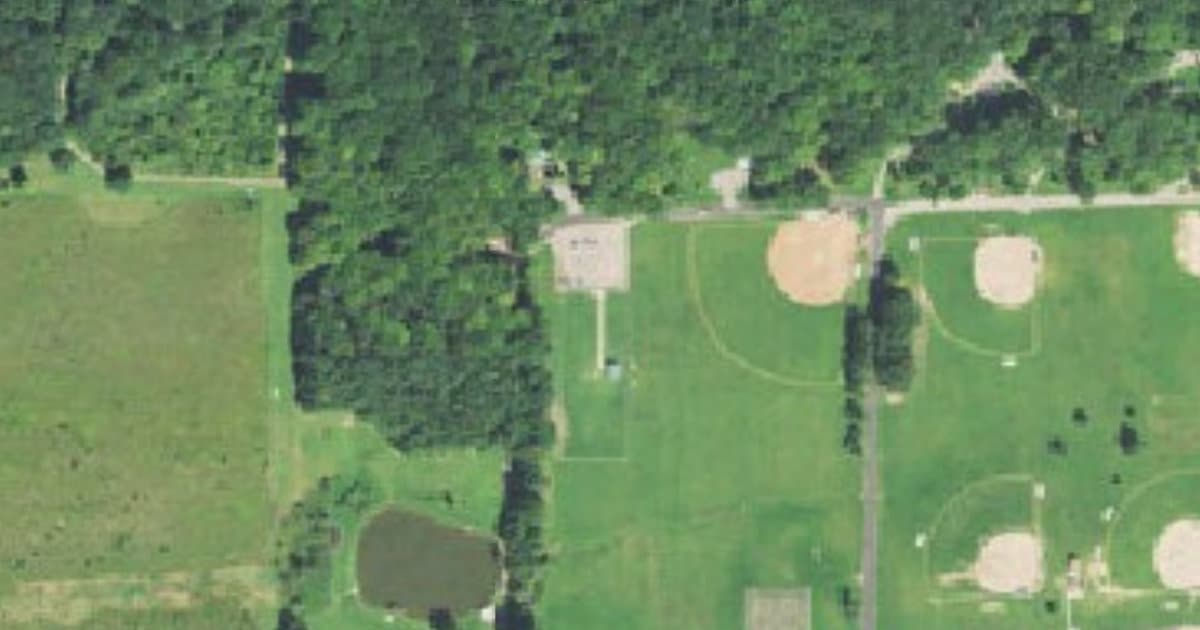
Dog Park at Westwood Town Hall Park sits at a Cincinnati recreation center with a mix of concrete and astroturf surfaces plus shade trees. The location offers nearby seating and easy access to other park amenities. The listing confirms full fencing, a feature shared by 172 of the 264 Ohio parks.
Harrison Dog Park in central Harrison provides separate sections for small and large dogs, double-gated entry, and ample shade. Reviewers note the convenience for local residents, though tiny dogs may slip under the small-dog fence and visitors should bring water. The park sits near free parking, making it practical for quick visits.
Akron Dog Park at Cascade Valley Park features separate small and large dog areas, agility equipment, seating, and drinking water stations. The fully fenced setting within Cascade Valley Park gives Akron residents a park-like environment for daily exercise and socialization.
RJ Wags Park is a 3-acre private facility in Cincinnati with two spring-fed lakes, dock diving, a splash zone, and agility equipment. The park requires temperament testing, vaccination records, and spay/neuter for dogs over six months. It is currently closed for the season, so visitors should check status before planning a trip.
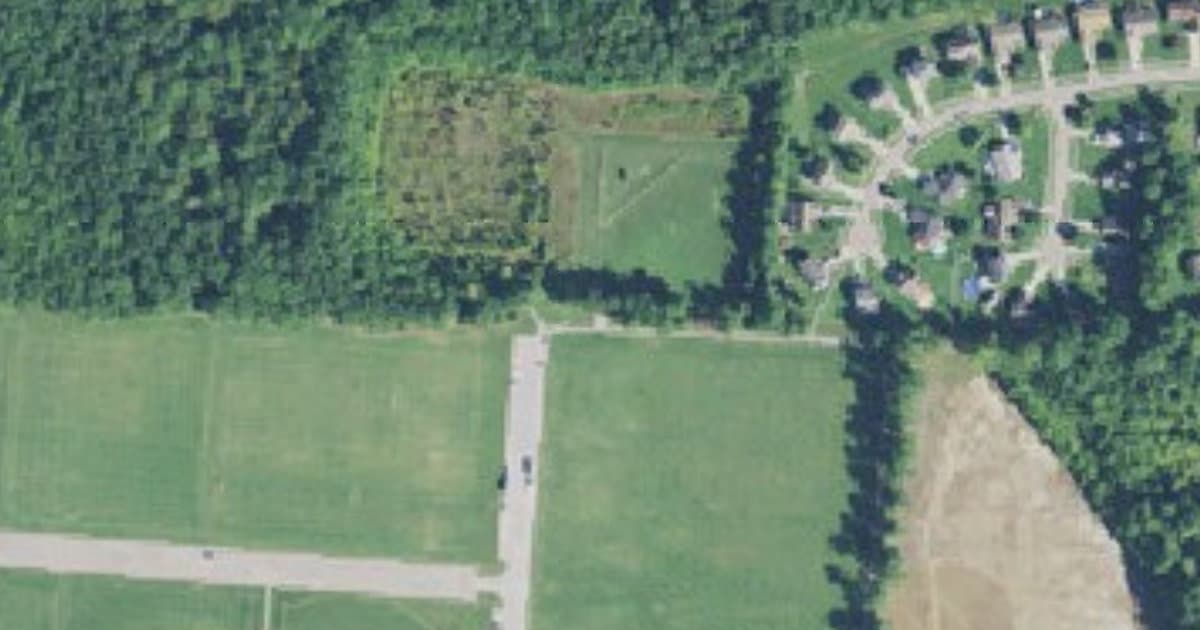
Canine Meadow Dog Park occupies 9 acres in Lake Metroparks with a swim pond accessible from the large-dog area. The five-foot fence, portable restrooms, and separate small and large sections create a serene setting for exercise and socialization in the Kirtland area.
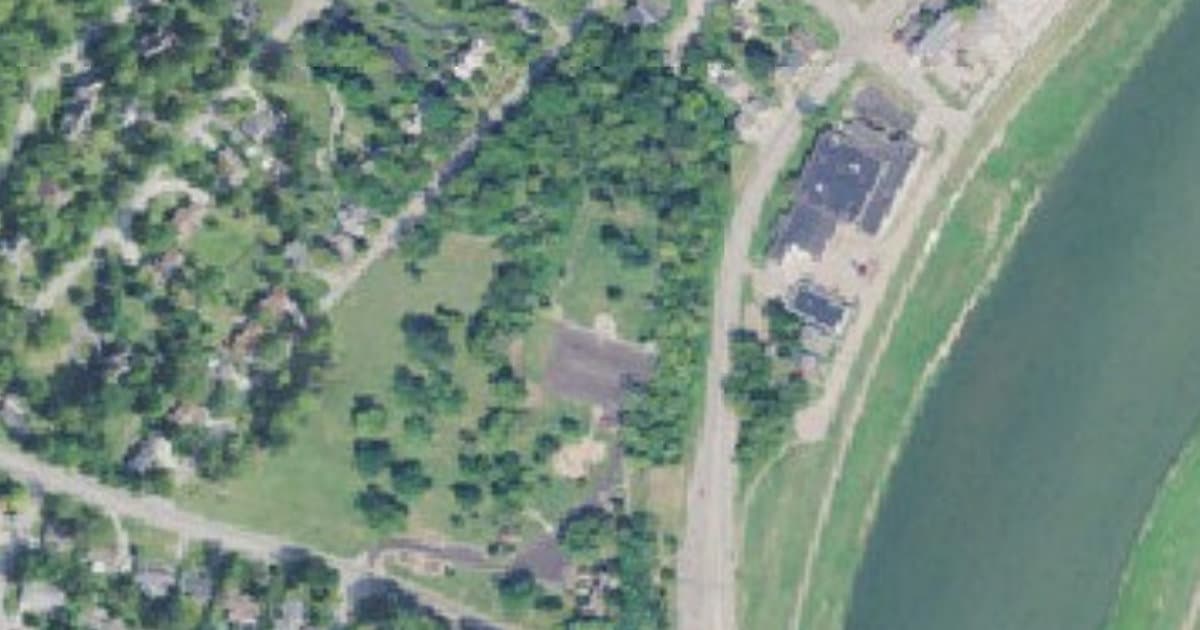
Alum Creek State Park offers a 4-acre off-leash facility near the marina with three fenced water areas and lighting for evening play. The park is popular on weekends and managed by Friends of Alum Creek Dog Park, a volunteer group that maintains the space for the community.
Furfield Dog Park spans 6.5 acres with multiple fenced grassy areas, a swimming pond with zero-entry edge and dock, and views of the Great Miami River. The park is free and open year-round from dawn to dusk, giving Fairfield residents a modern, well-equipped option without cost.
Climate and Four Seasons
Ohio experiences four distinct seasons with cold winters, warm summers, and moderate spring and fall transitions. Winter snow and ice can close some facilities or make surfaces slippery, while summer heat and humidity favor early morning or evening visits. Spring and fall provide the most comfortable conditions for extended play.
Lake Erie moderates temperatures in Cleveland's lakefront parks, but inland locations experience wider swings. Owners should carry water on every visit regardless of season, since only 91 of the 264 listings confirm on-site water access. Shade availability varies by park, so checking photos or visiting at different times helps set expectations.
Leash Laws and Local Rules
Ohio does not maintain a single statewide leash statute that applies to all public spaces. City and village councils establish independent rules, with county animal control usually managing enforcement. Most Ohio municipalities require dogs on leash from the parking lot until they reach the off-leash enclosure. Always check posted signage at the entrance and follow any posted time restrictions. When in doubt, keep your dog leashed until you confirm the rules for that specific location.
Park Operations and Funding
Most Ohio dog parks operate under municipal park districts, city recreation departments, or metropark systems. Funding sources range from general fund allocations to voter-approved levies and private donations. Several Ohio entries represent private or resident-restricted facilities with separate membership requirements. Maintenance schedules, waste-bag availability, and water access vary by jurisdiction. The 172 fully fenced parks represent roughly two-thirds of the total inventory, so visitors should always verify enclosure status before letting dogs off leash.
What to Expect on a First Visit
Arrive with your own water, collapsible bowls, waste bags, and a towel for muddy paws. Most listings do not document on-site amenities, so assume you will need to supply everything. Check posted rules for time-of-day restrictions, especially in neighborhoods near schools or residential zones. If the park lacks fencing or the gate mechanism looks unreliable, keep your dog leashed until you assess the space. Introduce your dog gradually if other dogs are already present, and watch for resource guarding around water stations or shade structures.
Frequently Asked Questions
Do I need a permit or membership to use Ohio dog parks? Most public dog parks in our directory are free and open to the public. A small number may be resident-only amenities within housing developments or require membership for private facilities. Confirm access rules before treating any park as a regular destination.
Are Ohio dog parks usually fenced? 172 of the 264 listings confirm full fencing. The remainder show "unknown" fencing status. Always verify enclosure integrity on arrival and follow posted rules.
Can I find parks with water access for dogs? 91 of the 264 listings confirm water access. Bring your own water on every visit regardless of what the listing shows.
What time of year is best for visiting Ohio dog parks? Spring and fall offer the most comfortable conditions. Hot summer days make early morning and evening the preferred windows for extended play. Frozen conditions and snow cover can render some parks unusable until spring thaw.
Do I need proof of vaccination? Many municipalities require current rabies vaccination for dogs using public off-leash areas. Carry vaccination records or a photo of the tag on your phone. Rules vary by jurisdiction, so check local ordinances before your first visit.
What should I do if another dog seems aggressive? Leash your dog and leave the area calmly. Report ongoing issues to local animal control rather than confronting other owners. Most parks rely on user etiquette rather than on-site supervision.