North Carolina Dog Parks: 245 Off-Leash Areas from the Mountains to the Coast
North Carolina maintains 245 documented dog parks distributed across its three distinct geographic regions. The Piedmont cities of Charlotte and Raleigh together account for 35 locations, while coastal and mountain communities add dozens more. Our listings show 148 parks with full or partial fencing and 96 with water access, reflecting steady investment in off-leash infrastructure across urban and rural counties alike.
Park Distribution Across Regions
Charlotte leads the state with 21 parks, followed by Raleigh at 14. Durham, Greensboro, Winston-Salem, and Chapel Hill each list between five and six locations. Cary and Gastonia round out the top eight with four parks apiece. This distribution mirrors population density, though smaller towns such as Ahoskie, Plymouth, and Franklin also maintain fenced facilities that serve local residents without requiring travel to larger metros.
Coastal counties contribute a meaningful share of the total. Oak Island, Morehead City, and Wilmington area parks appear in records alongside inland listings in Hickory, Statesville, and Asheville. Mountain communities including Boone and Hendersonville maintain at least one dedicated off-leash area each, often integrated into larger municipal parks that also offer trails and picnic shelters.
The Research Triangle, encompassing Raleigh, Durham, and Chapel Hill, hosts a particularly dense cluster of parks. Several listings sit within walking distance of university campuses and downtown districts, making them accessible for students, faculty, and residents who prefer to leave cars at home. Charlotte's parks spread across multiple neighborhoods, from the 28210 zip code in the south to more central locations near 9th Street Dog Park, giving residents varied choices depending on commute patterns.
Smaller communities demonstrate that dedicated off-leash space does not require large municipal budgets. Ahoskie Creek Amphitheater in Ahoskie, Plymouth Dog Park in Plymouth, and Rotary Pup Dog Park in Mount Airy each appear in records as fully fenced facilities serving their respective towns. These parks often integrate with existing community infrastructure such as amphitheaters, fairgrounds, or municipal athletic complexes.
Standout Facilities with Distinct Features
Several North Carolina parks combine off-leash space with additional amenities that set them apart. Doggos Dog Park & Pub in Greensboro pairs a fully fenced play area with an adjacent pub, allowing owners to supervise dogs while having a meal or drink. The listing appears in records with a 5.0 rating, though review volume remains modest compared with larger urban facilities.
WagWorld Pub & Event Center in Fletcher similarly combines fenced dog space with event programming and on-site refreshments. Located in the Asheville area, this park draws from both local residents and visitors exploring the Blue Ridge Mountains. Barkdale Dog Park at Creekside Park in Archdale offers water access alongside full fencing, providing a shaded creek-adjacent setting for dogs that enjoy swimming.
Carrboro Dog Park and Cary Dog Park are both free, off-leash municipal facilities serving the Research Triangle. Pop-Pup Dog Park occupies a downtown Raleigh address in the 27601 zip code, placing it within walking distance of several residential neighborhoods. Concord Dog Park lists off-leash access with basic amenities and sits near retail corridors that make combining errands with a park visit convenient.
Pet Station Dog Park in Charlotte's 28210 zip code serves south Charlotte households with a nearby off-leash option. Durham Dog Park provides another urban choice in the Research Triangle, with full fencing that creates a secure perimeter for off-leash play. Hannon A. Templeton Park on Oak Island and Franklin Dog Park in the western part of the state both list full fencing and water access, offering coastal and mountain options respectively.
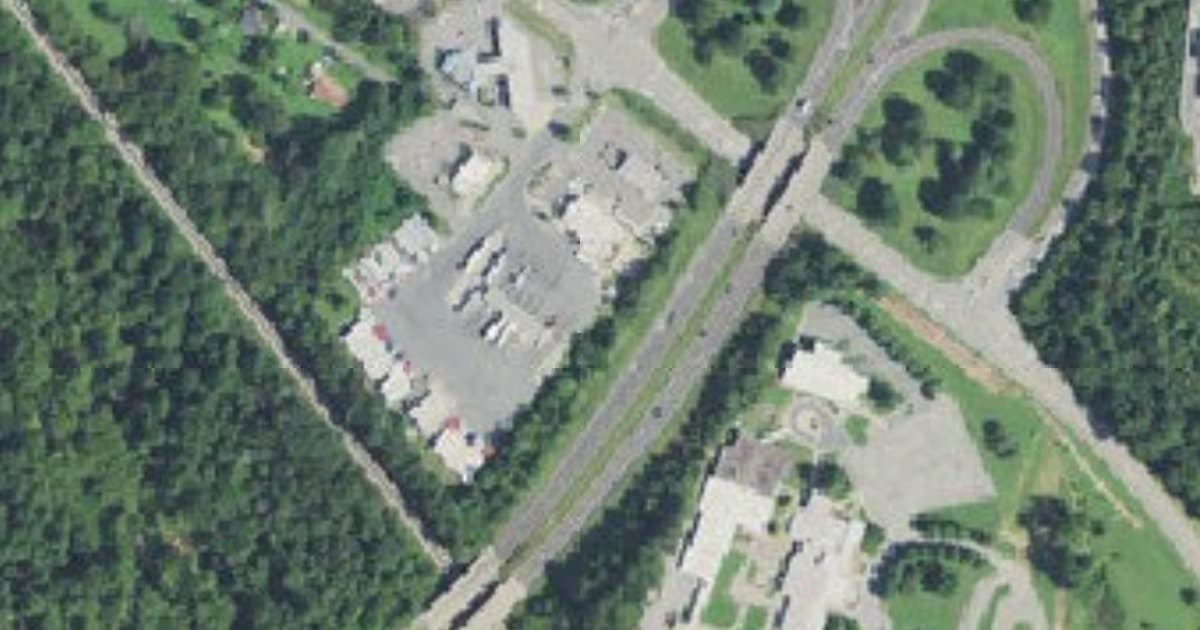
K-9 Corral Wendell Dog Park in Wendell and St. Stephen's Dog Park in Hickory appear in records as fully fenced community facilities. Love's Travel Stop locations in Statesville and Salisbury list fenced dog areas alongside traveler amenities, providing a convenient stop for drivers crossing the state on Interstate 40 or 85. Dog Park at Knight Farm Community Park in Pittsboro and Happy Paws Bark Park in Jonesville round out the list of facilities with documented fencing.
Climate and Seasonal Considerations
North Carolina's climate varies sharply from the barrier islands to the Blue Ridge peaks. Coastal areas experience hot, humid summers with frequent afternoon thunderstorms, while mountain elevations remain cooler and see occasional winter snow. Dog owners planning visits should account for these differences: midday heat in July and August can make unshaded coastal parks uncomfortable, whereas higher-elevation parks may require attention to icy paths between December and February.
Spring and fall bring the most consistent weather for extended off-leash sessions. Many Piedmont parks include mature tree cover that provides afternoon shade during warmer months. Coastal facilities often sit near marshes or waterways that increase humidity, so early morning or late evening visits tend to be more comfortable for both dogs and handlers during peak summer.
Winter visits require attention to shorter daylight hours and occasional freezing temperatures, particularly in the mountains. Parks at higher elevations may close or limit access during ice events, while coastal facilities remain open year-round but can experience strong winds and salt spray. Checking local weather and park status before travel helps avoid unexpected closures.
Leash Laws and Local Ordinances
North Carolina does not publish a single statewide statute governing dog parks or off-leash conduct. Individual cities and counties set their own rules, often posted at park entrances or on municipal websites. Some jurisdictions require dogs to remain leashed until inside a designated off-leash enclosure, while others permit voice control within park boundaries provided the dog responds reliably.
Because rules vary, owners should verify current ordinances through the city or county parks department responsible for each facility. Many parks post hours, waste disposal requirements, and vaccination expectations on signage. Checking a park's listing on the site or contacting the local parks office before a first visit can prevent surprises.
Enforcement typically falls to local animal control officers or park rangers. Most parks operate on an honor system for waste removal and behavior expectations, with signage reminding owners to clean up after their dogs and maintain voice control. Persistent issues with aggressive behavior or waste accumulation can lead to temporary closures or stricter access rules.
Water Access and Surface Conditions
Ninety-six North Carolina parks list water access, ranging from shallow creeks and ponds to splash pads or hose stations. Facilities such as Barkdale Dog Park at Creekside Park and WagWorld Pub & Event Center appear in records with water features, while others rely on natural drainage or nearby streams. Owners should confirm water quality and depth before allowing dogs to enter, especially after heavy rain when runoff can affect clarity.
Surface types vary from engineered turf and decomposed granite to natural grass and packed dirt. Fully fenced parks more commonly feature amended surfaces designed to handle heavy use, while smaller community listings may retain original grass or soil. Checking recent photos or reviews can help owners anticipate conditions, particularly during winter when some surfaces become muddy or slick.
Drainage design matters in a state that receives substantial rainfall. Parks built on former agricultural land or near waterways may experience seasonal pooling, while those on sandy coastal soils tend to drain more quickly. Owners traveling with dogs that dislike mud or wet grass can use park photos and recent weather data to select appropriate destinations.
Frequently Asked Questions
How many dog parks does North Carolina have? Our directory lists 245 dog parks across the state, with the largest concentrations in Charlotte (21) and Raleigh (14). Additional parks appear in Durham, Greensboro, Winston-Salem, Chapel Hill, Cary, and Gastonia, plus smaller towns and coastal communities.
Which North Carolina parks offer water access? Ninety-six parks list water access. Examples include Barkdale Dog Park at Creekside Park in Archdale, WagWorld Pub & Event Center in Fletcher, and several coastal facilities such as Hannon A. Templeton Park on Oak Island. Water features range from creeks and ponds to splash pads.
Do North Carolina dog parks require reservations? Most municipal dog parks operate on a first-come, first-served basis during posted hours. A few private or event-oriented facilities may schedule special sessions; checking the park listing or contacting the operator ahead of time clarifies any reservation requirements.
Are there parks that combine off-leash space with food or drink? Doggos Dog Park & Pub in Greensboro and WagWorld Pub & Event Center in Fletcher both appear in records with on-site food and beverage options alongside fenced play areas. These hybrid facilities allow owners to remain on site while dogs exercise.
What should I know about North Carolina leash rules? Leash requirements are set at the city or county level rather than by statewide statute. Many parks require dogs to stay leashed outside the off-leash enclosure. Owners should verify current rules through local parks departments or posted signage before visiting.
Which parks are fully fenced? One hundred forty-eight North Carolina parks list full or partial fencing. Examples include Ahoskie Creek Amphitheater, Plymouth Dog Park, Rotary Pup Dog Park in Mount Airy, K-9 Corral Wendell Dog Park, and Barkdale Dog Park at Creekside Park. Always confirm fence condition on arrival, as maintenance status can change.
Are small dog areas common in North Carolina? Several parks list separate small dog sections. Checking the feature tags on each park's listing identifies facilities with designated small dog zones. When in doubt, owners can contact the park operator or observe on-site signage for current separation policies.