Dog Parks Across New York: 370 Off-Leash Spots Documented Statewide
New York ranks among states with substantial documented dog park infrastructure, currently listing 370 locations. The five cities hosting the most parks are New York with 61 entries, Albany with 5, Allentown and Jersey City each with 4, and Buffalo with 3. These figures come directly from our listings and represent only parks carrying written descriptions at the time of writing.
Of the full inventory, 69 parks carry a fully fenced designation and 14 include water access among their feature tags. The distribution spans urban dog runs in Manhattan, suburban enclosures in the Hudson Valley, and lakeside facilities near the Finger Lakes and Great Lakes regions.
Top dog parks in New York
Several locations stand out for consistent high ratings and detailed owner feedback. The following parks all hold 5.0 ratings with multiple reviews and include written descriptions in our directory.
Bark 'n Brews in Nanuet combines a dog park with a brewery setting, allowing owners to enjoy refreshments while dogs socialize. The listing notes both small and large dog areas along with seating and waste bag provisions. The facility operates year-round with covered areas for inclement weather and maintains regular hours posted on its website.
Barton Orchards in Poughquag operates as a seasonal agritourism destination that includes dedicated dog-friendly zones. Owners report well-maintained grounds and clear separation between dog areas and orchard sections. The park provides ample parking and restrooms during operating season along with hand-washing stations near the dog area exit.
Sirius Dog Run occupies space in New York City proper and serves a dense urban population. The facility maintains fencing on all sides and provides lighting for evening use. Surface materials include a mix of turf and rubberized flooring for paw comfort during extended play sessions.
Off-Leash Area at Jamesville Beach in Jamesville sits adjacent to a county park beach, giving dogs access to both open field and shoreline. The park lists water access among its features and includes designated swimming zones during summer months. The facility maintains a separate entrance for dogs to reduce conflicts with beachgoers.
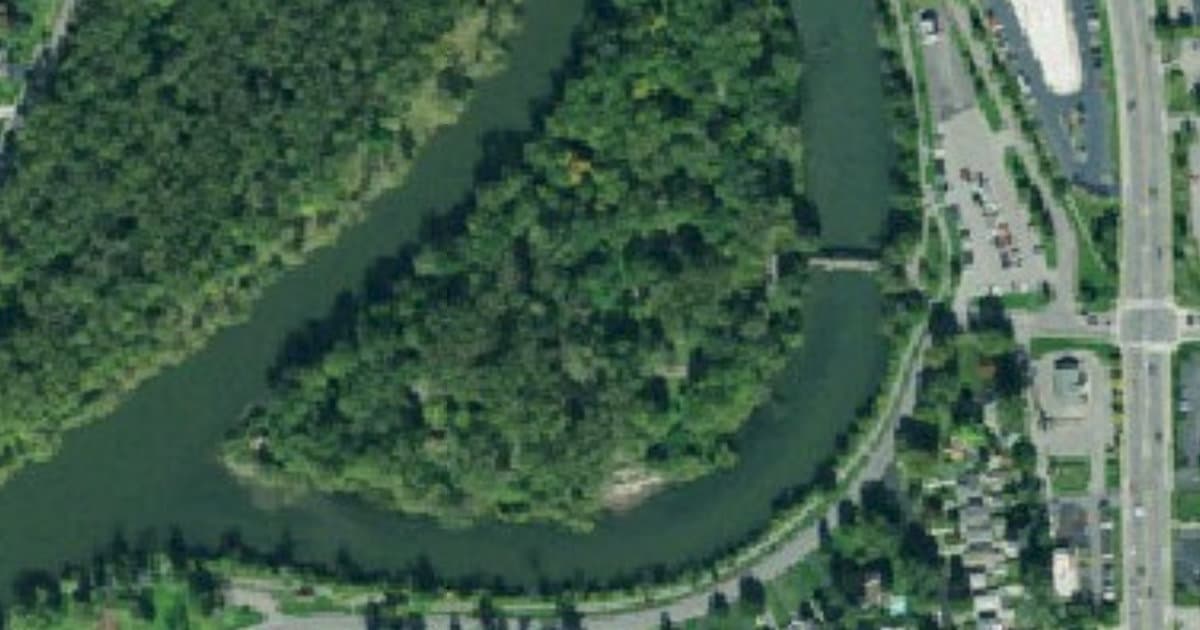
Ellicott Island Bark Park in Tonawanda occupies an island setting within a larger park system. The location offers trail_access in addition to the fenced dog area. Mature trees provide natural shade throughout the grounds and several benches allow handlers to rest during visits.
Watkins Glen State Park near the namesake village provides dog access within a dramatic gorge setting. The state park environment includes maintained trails and seasonal facilities. Dogs must remain leashed on hiking paths outside the designated off-leash zone, and owners are expected to clean up after their pets throughout the park grounds.
Oneida Barks & Recreation in Oneida serves central New York with both fenced and open areas. The facility includes agility equipment and seating for handlers. The park maintains a regular schedule of volunteer-led training sessions and occasional adoption events in partnership with local rescue organizations.
Barkology in Buffalo rounds out the top-rated group with a city park setting and standard amenity list including waste bags and lighting. The facility sits near other recreational amenities, making it convenient for multi-activity visits. The park posts a code of conduct at the entrance that covers common courtesy expectations.
Each of these parks has a detail page: Bark 'n Brews, Barton Orchards, Sirius Dog Run, Off-Leash Area at Jamesville Beach, Ellicott Island Bark Park, Watkins Glen State Park, Oneida Barks & Recreation, and Barkology.
Leash laws and local regulations
New York does not maintain a single statewide statute governing dog park conduct. Individual municipalities and county park districts set their own rules, often posted at park entrances or published on municipal websites. Owners should verify current requirements directly with the operating jurisdiction before each visit, as fines and enforcement practices vary.
State parks fall under the New York State Office of Parks, Recreation and Historic Preservation, which publishes general pet policies on the official site (parks.ny.gov). Many county and town ordinances require dogs to remain leashed outside designated off-leash zones. Checking the specific city or county parks department page provides the most accurate, up-to-date information for any given location.
Urban dog runs in New York City operate under NYC Parks Department regulations, which include time-of-day restrictions and permit requirements for certain locations. Suburban and rural facilities may follow simpler posted rules without formal permitting systems. Some jurisdictions require proof of current rabies vaccination before allowing entry to off-leash areas.
Seasonal considerations for New York dog parks
New York experiences four distinct seasons, each affecting park usability. Winter brings snow and ice that can limit access to facilities without winter maintenance programs. Spring often produces muddy conditions that close some fields temporarily. Summer heat requires owners to monitor dogs for overheating, especially at parks lacking shade structures. Fall generally offers the most comfortable temperatures and fewer weather-related closures.
Parks near the Great Lakes or Finger Lakes may experience additional microclimate effects such as lake-effect snow or persistent wind. Checking local forecasts and park social media accounts before travel helps avoid unexpected closures.
Many facilities reduce operating hours during winter months or close entirely when temperatures drop below certain thresholds. Owners planning winter visits should confirm current status through park websites or phone lines rather than relying on published seasonal schedules. Some parks post winter closure notices on social media accounts or maintain email notification lists for regular visitors.
Regional differences across New York
New York spans multiple geographic regions with distinct park characteristics. The five boroughs of New York City host the densest concentration of small, fenced dog runs designed for high-volume urban use. The Hudson Valley and Catskills feature larger suburban parks with more natural terrain and water access. Western New York near Buffalo and Rochester includes facilities adjacent to Great Lakes shoreline with seasonal beach access. The Finger Lakes region offers parks integrated with wine country tourism and agritourism destinations. The Adirondacks and North Country maintain fewer dedicated dog parks, with many owners relying on national forest land and informal trail access.
Each region maintains its own network of county and municipal park departments, leading to variation in amenity levels, enforcement practices, and seasonal availability. Owners traveling between regions benefit from reviewing local rules before arrival rather than assuming uniformity across the state.
Park amenities and surface considerations
New York dog parks vary considerably in surface materials and supporting amenities. Common surface types include natural grass, wood chips, gravel, and rubberized flooring. Each material presents tradeoffs: grass provides the most natural footing but requires periodic rotation or reseeding; wood chips drain well but may harbor ticks; gravel offers durability but can be hard on paws; rubberized surfaces provide cushioning and easy cleaning but can become hot in direct sun.
Amenities tracked in our directory include waste bag dispensers, seating, lighting, and water access. Not every park lists every amenity, so owners should carry backup supplies for essential items. Many facilities post donation jars or QR codes for contributions toward maintenance and supplies.
Frequently asked questions
Do all New York dog parks require membership or fees? Most municipal and county dog parks operate as free public amenities. A small number of private facilities or special-use areas may charge day-use or annual fees. Listings note pricing where known; always confirm current rates directly with the park operator.
Are reservations required for New York dog parks? Standard public dog parks do not require reservations. Some agility-focused facilities or private clubs may schedule sessions. Checking the park website or calling ahead clarifies any booking requirements.
What should I bring to a New York dog park? Standard items include waste bags, water for both dog and handler, and a leash for arrival and departure. Many parks provide waste bags on site; carrying extras remains good practice. During winter months, consider bringing a towel for drying paws after snow or slush.
How do New York dog parks handle aggressive behavior? Park rules typically require immediate removal of any dog showing aggression. Enforcement relies on owner compliance and occasional staff or volunteer presence. Owners should familiarize themselves with posted conduct rules at each location.
Can puppies visit New York dog parks? Most facilities set minimum age or vaccination requirements. Common thresholds include completion of a full vaccine series or a minimum age of four to six months. Checking individual park rules prevents conflicts at the gate.
Are there designated small-dog areas in New York parks? Many larger facilities separate small and large dogs into distinct enclosures. Our listings flag which parks have a small-dog area. Filtering the park list by this tag surfaces locations with separate small-dog zones.