Dog Parks in New Hampshire: 23 Off-Leash Sites Across the Granite State
New Hampshire's directory lists twenty-three dog parks spread across sixteen cities, ranging from coastal Portsmouth to the Lakes Region around Laconia and Wolfeboro. Portsmouth leads with three sites, including the expansive Peirce Island Off-Leash Area that stretches across twenty-seven acres of tidal pools, salt marshes, and rocky shoreline. Keene also hosts three parks in the southwestern part of the state, while Dover, Laconia, and Enfield each contribute two. The remaining eleven cities have one park apiece. Seventeen of the twenty-three parks carry full fencing, twelve provide water access, eleven include a designated small-dog area, and nineteen are marked as off-leash destinations. Five parks operate without perimeter fencing and one has an unknown fencing status, which matters for owners of dogs still building reliable recall.
Leash Regulations in New Hampshire
New Hampshire does not maintain a statewide leash law that explicitly governs off-leash dog parks. Instead, each municipality sets its own ordinances covering where dogs may run off-leash, vaccination requirements, and how aggressive-dog incidents get handled. The state does require all dogs to be licensed, but licensing is handled at the town level, not through a central state agency.
In practice, most New Hampshire dog parks post their specific rules at the entrance. City-run parks in Portsmouth, Dover, Manchester, and Concord fall under those cities' animal control ordinances, which typically require dogs to be leashed outside designated off-leash zones and to be under voice command inside them. Private facilities like Canine Connection in Laconia and Bark and Bevy in Enfield enforce their own policies, which may include vaccination proof, sign-in requirements, and staff supervision during play sessions.
Owners visiting a New Hampshire dog park for the first time should expect variation. One town may allow off-leash access across an entire park property, while the next town over restricts dogs to a fenced enclosure. Checking the hosting municipality's website or calling the local parks department before visiting is the most reliable way to avoid surprises. Enforcement varies by community, and some rural towns may not actively patrol their off-leash areas.
Eight Parks Worth a Visit
The eight parks below span New Hampshire from the Seacoast to the Lakes Region to the Merrimack Valley, chosen for geographic spread, amenities, and distinct character.
Peirce Island Off Leash Area in Portsmouth stands out as the largest and most distinctive off-leash destination in New Hampshire. At twenty-seven acres, this unfenced park offers tidal pools, salt marshes, meadows, and rocky cliffs along the Piscataqua River. The city maintains a map showing which areas permit off-leash access. Dogs must remain under voice control and observation at all times. The sheer variety of terrain makes this park a draw for owners across the Seacoast region, though the lack of fencing means it suits dogs with solid recall more than those prone to wandering.
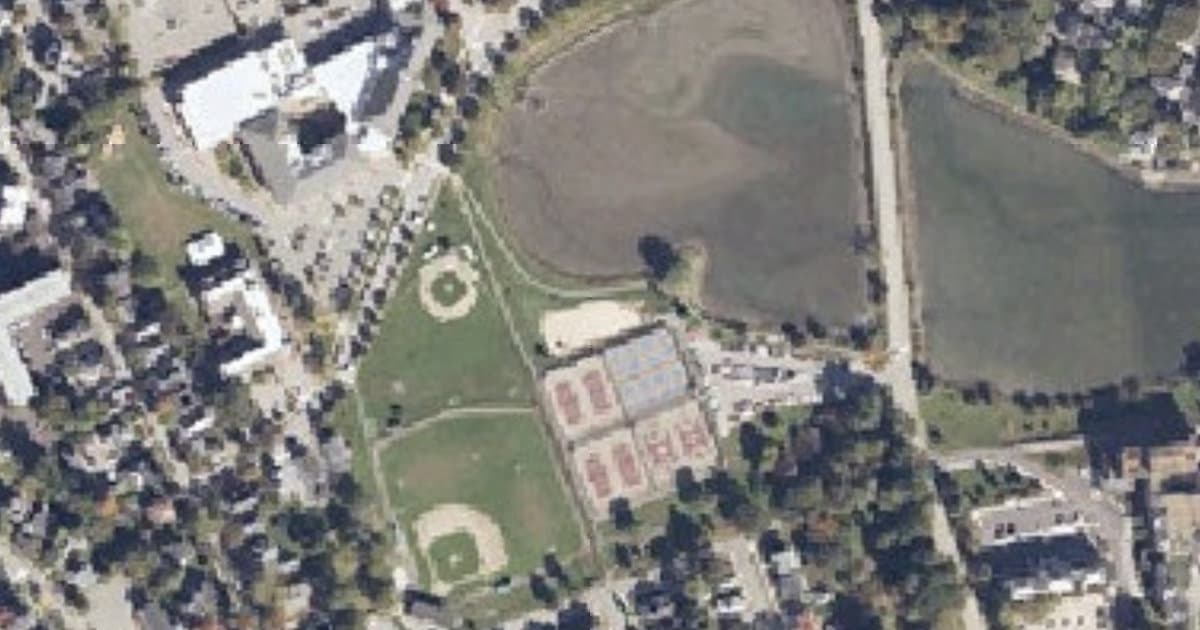
South Mill Pond Off-Leash Dog Area provides a fenced contrast to Peirce Island within the same city. Located near downtown Portsmouth, this fully fenced park includes water access and sits alongside South Mill Pond. It offers a contained option for owners who prefer perimeter fencing or have dogs that need a secure boundary during off-leash play. Its downtown location makes it convenient for Portsmouth residents who can walk to the park rather than drive.
Henry Law Park in Dover combines a fully fenced off-leash area with water access and a small-dog section. Situated along the Cochecho River in Dover's downtown, the park integrates into the city's broader riverwalk and trail system, giving owners the option to leash up and continue exploring after off-leash play. The river proximity and trail connectivity make this a practical stop for Dover residents combining dog-park visits with longer walks.
Hooksett Dog Park serves the Merrimack Valley corridor between Manchester and Concord. This fully fenced park includes water access and a small-dog area, drawing owners from Hooksett, Bow, and surrounding towns. Its location along the Merrimack River corridor makes it accessible for drivers on Route 3, and the fenced layout accommodates dogs of all sizes with a dedicated enclosure for smaller breeds.
**Manchester Dog Park is the largest city's primary off-leash destination. Manchester, as New Hampshire's most populous city, draws significant dog-traffic to this fully fenced park with water access. The park provides an essential off-leash outlet for residents who live in a denser urban environment where unfenced options are scarce. Its central location within the Manchester metro area makes it one of the more heavily used dog parks in the state.
Dog Park at Terrill Park in Concord gives the state capital a fenced off-leash space with a small-dog area. Concord's park system integrates this dog park into the larger Terrill Park property, which offers parking, open space, and walking paths. For state workers and residents in the capital region, Terrill Park provides the closest fenced off-leash option within city limits.
Canine Connection in Laconia takes a different approach from the other parks on this list. This fully fenced, climate-controlled indoor facility operates as a supervised dog park and daycare center in the Lakes Region. Staff monitor play sessions, require vaccination records, and maintain separate areas by dog size. For owners visiting the Lakes Region during winter months or inclement weather, Canine Connection offers a reliable off-leash option when outdoor parks are covered in snow or ice.
Dog Park at the Nick in Wolfeboro sits at the heart of the Lakes Region and provides a fenced off-leash area with water access and a small-dog section. Wolfeboro's position on Lake Winnipesaukee draws seasonal visitors, and the dog park gives both year-round residents and summer tourists a place to exercise their dogs off-leash. The combination of fencing, water, and small-dog accommodations makes it one of the more amenity-complete parks in the state directory.
Four Seasons of Dog-Park Challenges
New Hampshire's four-season climate creates distinct conditions for dog-park visitors throughout the year. Winter, which runs from December through March, brings regular snowfall and temperatures that often drop into the teens and single digits at night. Fenced parks accumulate snow that can reduce usable grass area, and ice on paths and fencing can make footing hazardous for both dogs and owners. Indoor options like Canine Connection in Laconia become particularly valuable during the coldest stretches. Owners who visit outdoor parks in winter should bring towels, watch for ice buildup on paw pads, and limit session length when wind chills drop below zero.
Spring mud season in April and May creates its own challenges. As snow melts, fenced grass areas at parks like Manchester Dog Park, Terrill Park, and Dog Park at the Nick turn muddy. Low-lying sections can pool with standing water. Unfenced parks near rivers, including Peirce Island and Stratham Hill Park, may experience higher water levels that reduce usable off-leash terrain. Spring visits often require a wash-down of dogs and gear afterward.
Summer in New Hampshire is relatively mild compared to southern New England, with July highs averaging in the low eighties across most of the state. Humidity can make afternoons uncomfortable, but temperatures rarely reach the dangerous extremes seen in states farther south. Early morning and evening visits remain the most comfortable approach. Water access at twelve parks helps during summer outings, though owners should carry a portable bowl regardless, since not all water sources are maintained throughout the season.
Fall foliage season from late September through October brings some of the best dog-park conditions in the state. Cool temperatures, lower humidity, and scenic surroundings make autumn the most pleasant time for off-leash visits across New Hampshire. Portsmouth's parks along the Piscataqua River, the Lakes Region sites near Wolfeboro, and the Merrimack Valley corridor all benefit from the combination of crisp air and seasonal scenery.
Fenced Versus Unfenced: What New Hampshire Offers
New Hampshire's dog-park landscape splits roughly between seventeen fully fenced sites and five unfenced locations, with one additional park listed as unknown fencing status. The fenced parks concentrate in cities like Manchester, Concord, Dover, Hooksett, and Rochester, where municipal governments invested in dedicated off-leash enclosures. These fenced parks generally include double-gate entry systems, waste-bag stations, and separate small-dog areas.
The six unfenced parks occupy a different niche. Peirce Island in Portsmouth, Great Bog in Portsmouth, Ashuelot River Park in Keene, Stratham Hill Park in Stratham, Otter Brook Lake in Keene, and Wheelock Park in Keene all permit off-leash access without perimeter fencing. These parks tend to be larger in acreage than the fenced sites, offering more terrain to explore but requiring stronger recall from visiting dogs. Some, like Peirce Island, specify that off-leash access applies only to certain maintained areas or marked trails.
The one park with unknown fencing status in our directory is Wheelock Park in Keene, where the fencing information has not been confirmed. Owners visiting parks with unknown fencing status should treat them as unfenced until they can verify the boundary on-site.
Planning Visits Across the State
New Hampshire's dog parks distribute across three main regions: the Seacoast around Portsmouth, the Merrimack Valley from Manchester north to Concord, and the Lakes Region and western areas around Laconia, Wolfeboro, and Keene. Portsmouth offers the most variety with three distinct parks that range from a twenty-seven-acre unfenced island to a fenced downtown pond-side enclosure. Manchester and Concord provide fenced options for the state's most populated corridor, while the Lakes Region mixes fenced municipal parks with a supervised indoor facility.
Travelers heading north on I-93 from Massachusetts will pass Hooksett Dog Park and Manchester Dog Park within the first hour of crossing the border. Those venturing into the White Mountains or further north should note that dog-park density drops off sharply beyond the Lakes Region. For extended road trips through northern New England, mapping stops in advance matters because gaps between off-leash areas in rural parts of the state can exceed thirty miles.