Dog Parks in Hawaii
Hawaii is home to 16 documented dog parks across 9 cities, serving an estimated 374,000 dogs statewide. With about 154,000 dog-owning households in a population of 1,432,820, demand for off-leash space is steady and growing. This guide walks through the current inventory of parks on record, where they cluster, what to expect from Hawaii's climate, and how to confirm details before you head out.
All 16 parks listed here were ingested from OpenStreetMap data, which means the core facts — names, locations, and basic tags — are present, but finer details like fencing, hours, surface type, parking, and water access need to be verified locally. Treat this guide as a starting point for finding nearby options, not a substitute for checking current conditions.
Where Hawaii's Dog Parks Cluster
The majority of Hawaii's 16 documented dog parks sit on Oahu. East Honolulu alone holds 5 parks — the most of any city in the state — followed by Aiea, Honolulu, and Mililani, each with 2. Ewa Beach, Kapolei, Kilauea, Kukio, and Waipahu each have a single documented park.
This concentration tracks with population density. Oahu accounts for the bulk of Hawaii's 1.4 million residents, so it follows that most off-leash areas are there. If you live on or visit a neighbor island, options thin out quickly. Kilauea Dog Park on Kauai and Kukio Dog Park on the Big Island are the only documented parks outside of Oahu in this inventory.
East Honolulu: The Densest Cluster
Five of Hawaii's 16 dog parks are documented in East Honolulu. These span neighborhoods from Manoa Valley to Hawaii Kai, giving residents in the Honolulu metro area relatively broad access compared to the rest of the state.
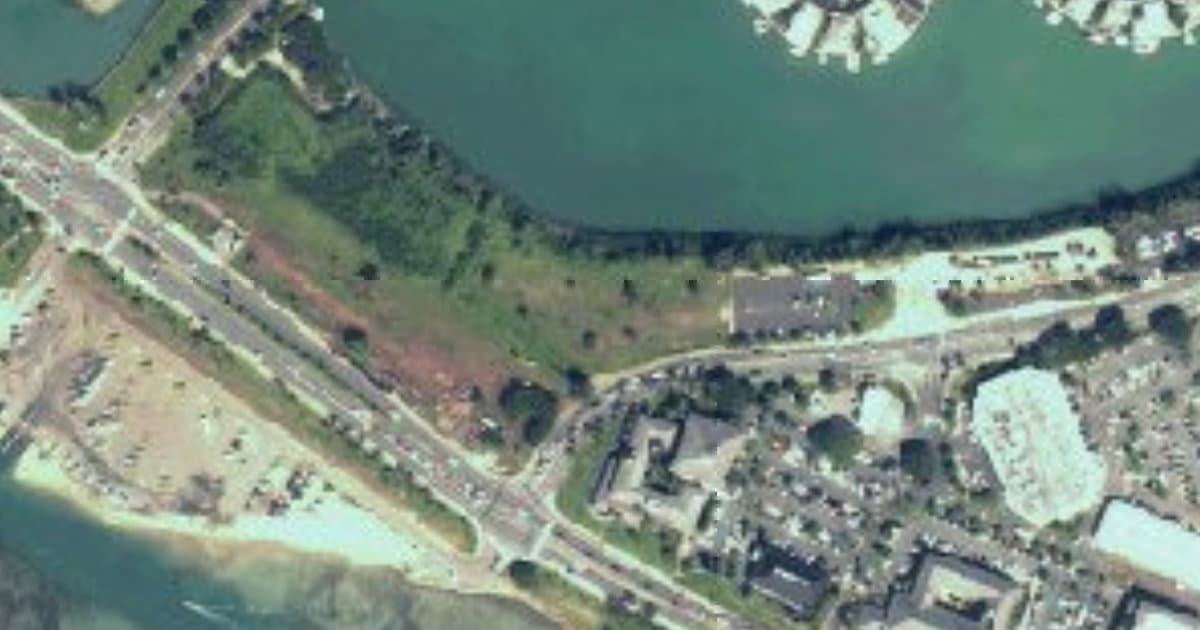
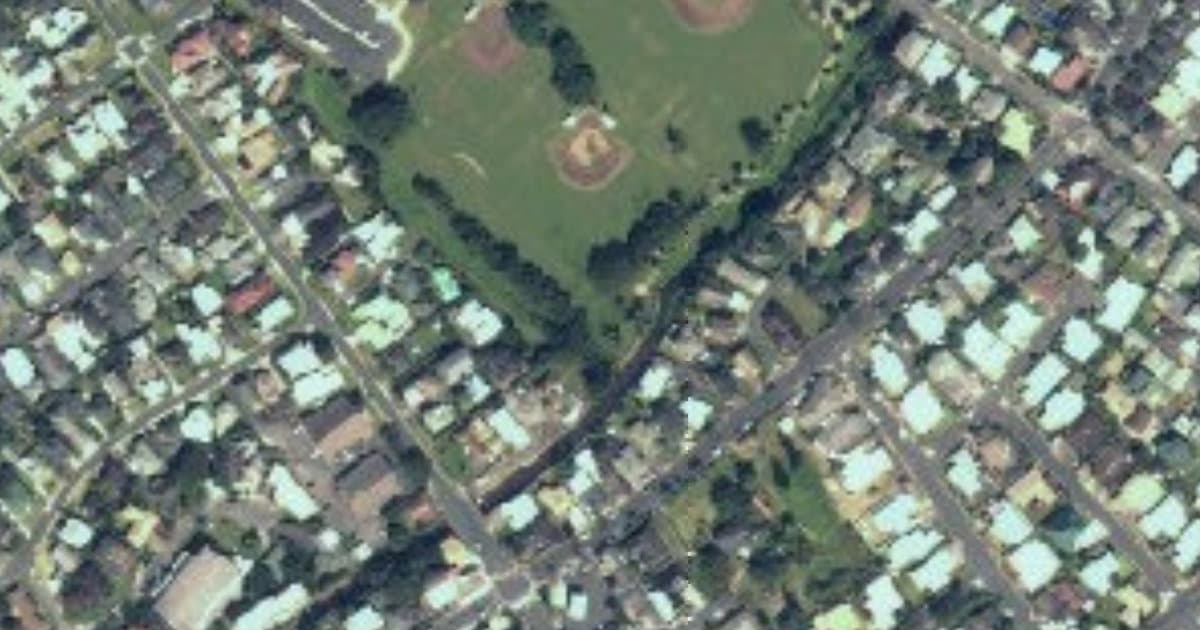
Manoa Valley District Park Dog Park sits in a well-established residential area. Hawai'i Kai Dog Park serves the east side of the island. Diamond Head Bark Park is another East Honolulu entry, as are Maryknoll Dog Park and Ala Wai Dog Park. All five are tagged as off-leash in the current data.
Because East Honolulu has the highest park count, it is the logical starting point if you are looking to compare parks within a short driving distance. Details like fencing, shade, and water availability vary and should be confirmed before visiting.
Aiea and Honolulu: Central Oahu Options
Aiea has 2 documented dog parks, both carrying the name Aiea Dog Park but listed as separate entries. This likely reflects either two distinct areas within a single park complex or a duplicate entry in the source data. If you plan to visit, confirm locally whether these represent one location or two.
Honolulu proper also has 2 entries, both listed as Honolulu Dog Park. The same caveat applies — verify whether these are genuinely separate facilities or a data duplication. Honolulu Dog Park is tagged as off-leash.
Mililani, Ewa Beach, Kapolei, and Waipahu
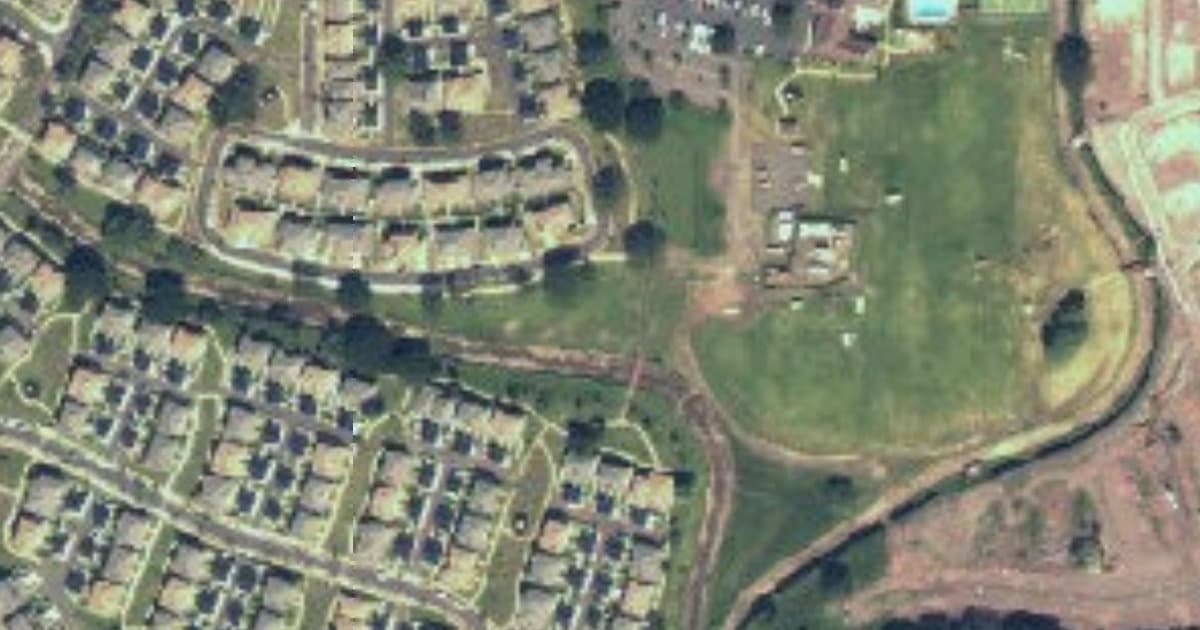
Central and leeward Oahu round out the inventory. Mililani has 2 parks: Mililani Dog Park and Island Palms Community Dog Park. Both are tagged off-leash. Ewa Beach has Hoalauna Dog Park, Kapolei has Bark and Ride, and Waipahu has Waipahu Dog Park. Each of these is a single-park city in the current data.
These areas have seen significant residential growth over the past two decades, so demand for dog parks here is likely to increase. The current inventory reflects what has been documented in OpenStreetMap, which may lag behind new facilities or informal off-leash areas that communities use but have not been formally mapped.
Neighbor Islands: Kauai and the Big Island
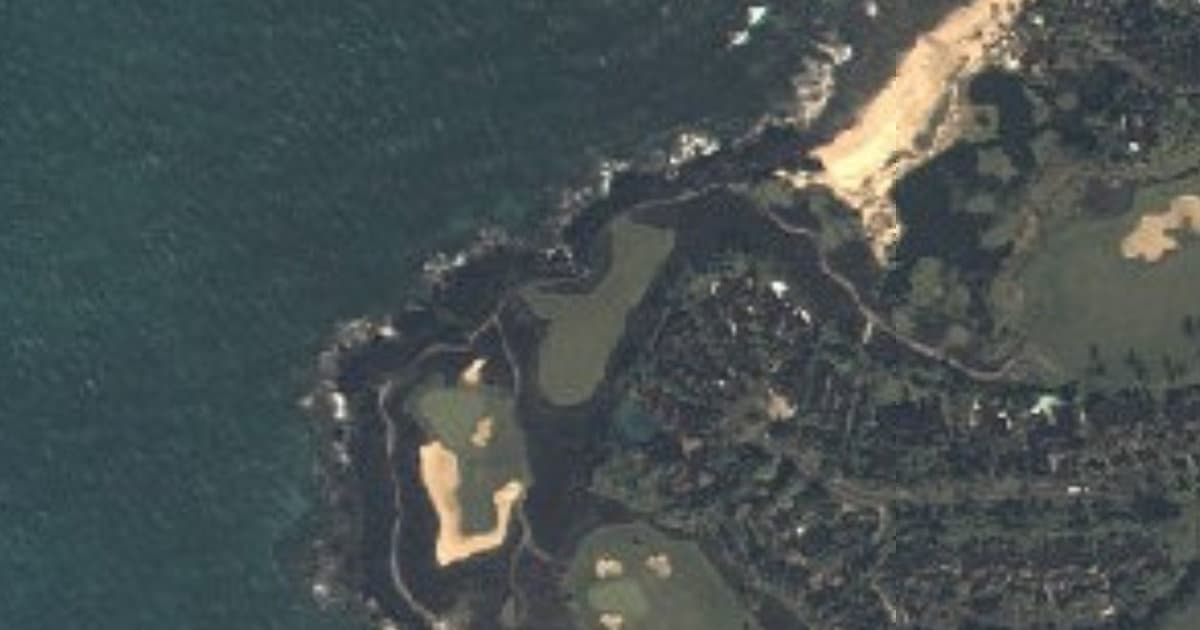
Outside of Oahu, only two dog parks appear in this dataset. Kilauea Dog Park on Kauai's north shore is tagged as off-leash. Kukio Dog Park on the Big Island's west side is tagged with a natural surface, meaning grass, dirt, or a similar non-paved ground cover. It is the only park in Hawaii's documented inventory that carries the natural_surface tag rather than — or in addition to — an off-leash tag.
The low count for neighbor islands does not necessarily mean no off-leash spaces exist. It means they have not been formally documented in the data source this directory uses. If you know of a dog park on Maui, Molokai, Lanai, or elsewhere on the Big Island or Kauai that is not listed here, reporting it helps expand the inventory.
Hawaii's Climate and Seasonal Considerations
Hawaii's tropical climate shapes how and when you should visit a dog park. Daytime temperatures in Honolulu typically range from the mid-70s to upper 80s Fahrenheit year-round, with humidity often running high. Trade winds provide natural cooling on most days, but when winds die down or shift to a southerly direction (a Kona wind pattern), heat and humidity can spike.
For dog park visits, early morning and late afternoon are generally the most comfortable times. Midday heat can be intense, especially for dogs with thick coats, short muzzles, or lower heat tolerance. None of the 16 parks in this inventory are tagged as having lighting, so evening visits are limited to daylight hours or the period around dusk.
Rain is worth factoring in, particularly on the windward sides of the islands. Aiea and Manoa Valley, for instance, sit in areas that receive more rainfall than leeward spots like Kapolei and Ewa Beach. A natural-surface park like Kukio Dog Park can get muddy after rain, so check conditions if there have been showers.
Hawaii does not observe Daylight Saving Time, so sunset times shift gradually rather than abruptly. In summer, you may have light until nearly 7:15 PM. In winter, sunset can fall before 6:00 PM. Plan accordingly, especially if you are driving to a park after work.
Verifying Park Details Before You Visit
Because this directory ingested Hawaii's dog park data from OpenStreetMap, the information reflects what volunteer mappers have contributed. Names, locations, and basic tags are captured, but specifics are often sparse. Here is what you should confirm before making a trip:
- Fencing: Only one park in this inventory (Kukio Dog Park) carries a tag related to surface type. None are explicitly tagged as fully fenced. If your dog needs a fully enclosed space, call the park or the county parks department to confirm before relying on any park listed here.
- Hours: Dog parks within larger district parks may follow the host park's operating hours. Some municipal parks in Hawaii close at dusk or have posted hours. Check locally.
- Water and shade: Hawaii's heat makes shade and drinking water important. None of the 16 parks are tagged with water or shade amenities. Bring water for your dog regardless.
- Access and parking: No parking information is included in the source data. Street parking, lot access, and any restrictions should be checked ahead of time.
- Duplicate entries: As noted above, Aiea and Honolulu each have two entries with identical park names. These may represent distinct areas or a data artifact. If you can clarify, your input helps improve the directory.
If you find that a park has closed, moved, or has details that differ from what is listed here, you can report a correction. Accurate local knowledge is what keeps this directory useful, especially in a state where formal data can be thin.
Leash Laws and Etiquette: General Guidance
Hawaii has a statewide leash law. Under Hawaii Revised Statutes, dogs are required to be on a leash when off the owner's property unless they are in a designated off-leash area. The 15 parks tagged as off_leash in this inventory are the spaces where that requirement is lifted — but only within the park's boundaries.
A few practical etiquette points apply across Hawaii's dog parks:
- Keep vaccinations current: Rabies vaccination is required for all dogs in Hawaii. The state's rabies-free status is maintained through strict animal quarantine rules, so keeping your dog's records up to date matters.
- Clean up after your dog: This is a basic expectation at every park. Bring your own waste bags, as not all parks supply them.
- Watch for conflicts: With 374,000 dogs statewide and only 16 documented parks, popular locations can get crowded, especially on weekends. If your dog does not do well in high-traffic off-leash settings, visit during quieter hours.
- Respect park neighbors: Several of Hawaii's dog parks sit within residential neighborhoods or multi-use district parks. Keeping noise and congestion manageable helps maintain good community relationships.
- Stay alert to wildlife: Depending on the island and location, you may encounter feral cats, mongoose, or ground-nesting birds near outdoor areas. Keeping your dog under voice control or close supervision helps avoid incidents.
Summary: Finding the Right Park
Hawaii's 16 documented dog parks are concentrated on Oahu, with East Honolulu offering the most options at 5 parks. Aiea, Honolulu, and Mililani each have 2, and Ewa Beach, Kapolei, Kilauea, Kukio, and Waipahu each have 1. The inventory is current as of the latest OpenStreetMap ingestion, but details like fencing, hours, water access, and parking are not captured in the source data and should be verified locally.
If you are on Oahu, you have the most choices. If you are on a neighbor island, options are limited in this directory — but that may reflect gaps in mapping rather than a true absence of off-leash spaces. Check with local county parks departments or community groups for the most current information, and help improve this directory by reporting parks that are missing or details that need updating.