Dog Parks in Alaska: 15 Off-Leash Spots from Fairbanks to the Inside Passage
Alaska spans more square miles than the next three largest states combined, yet its documented dog parks number just 15 at the time of this writing. Those parks cluster along the road system: seven sit in the Anchorage bowl, while individual outposts reach Fairbanks, Juneau, Wasilla, Soldotna, Kenai, North Pole, Valdez, and Dillingham. Our listings show 10 fully fenced facilities and 6 sites with water access. With roughly 192,000 dogs sharing the state with 737,000 residents, the ratio works out to about 7.8 parks per 100,000 dogs, a figure that reflects both the sheer size of the state and the reality that much of Alaska's backcountry functions as unofficial off-leash terrain.
Eight Parks Worth a Visit
The eight parks below represent a geographic cross-section of Alaska's off-leash offerings, selected for feature diversity, location spread, and description quality.
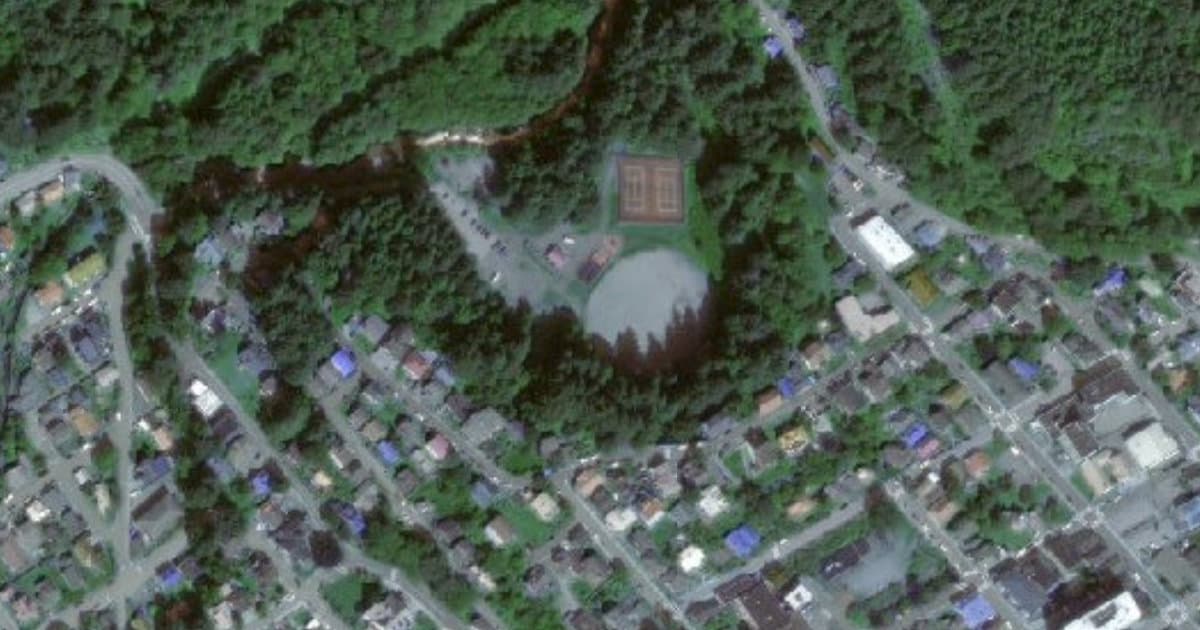
Dog Park at Cope Park in Juneau serves the capital city with a large gravel-surface off-leash area and a waste station. As one of the few designated dog parks in Southeast Alaska, it fills a critical need for residents who lack the road-connected options available in Anchorage or the Interior. The gravel surface handles Juneau's heavy rainfall better than turf would, and the location inside Cope Park means parking and restrooms are nearby.
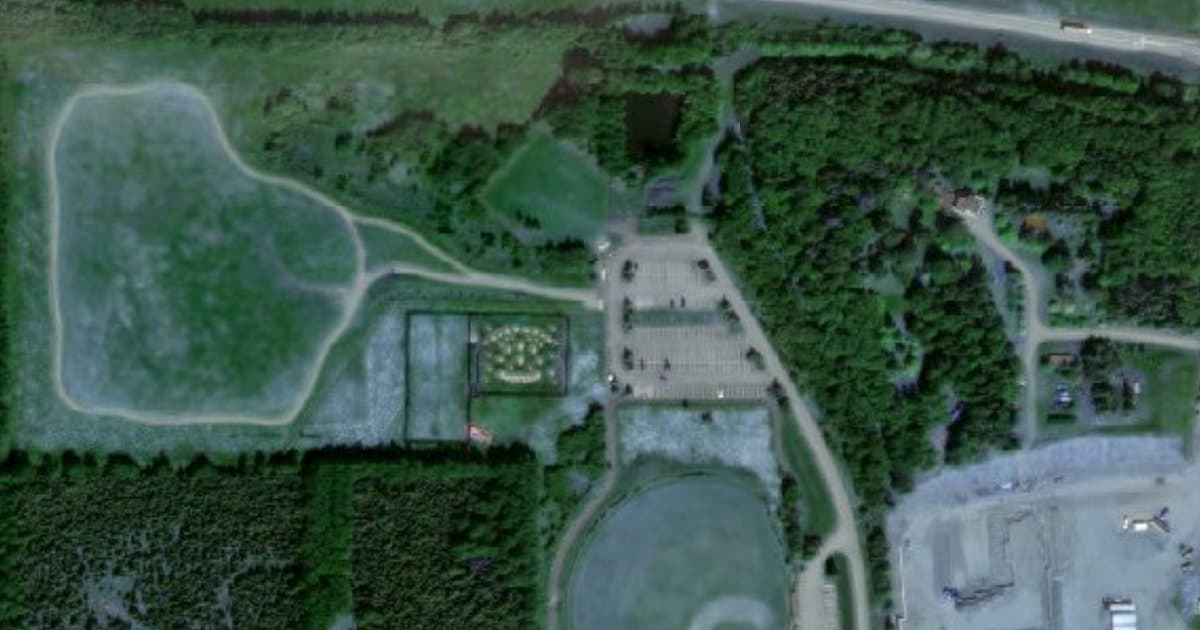
Fairbanks Dog Park offers 20 acres of off-leash terrain north of the Alaska Range, with 10 of those acres fenced. Water access lets dogs drink and cool off during Interior Alaska's surprisingly warm summer weeks. The sheer acreage sets it apart from every other fenced park in the state, giving high-energy breeds room to sprint without constant direction changes.
Dog Park at Lake Lucile in Wasilla provides a year-round fenced run of roughly 300 feet near the lake's entrance. Water access adds a splash option, and the Matanuska-Susitna Valley location serves the fastest-growing population corridor in the state. The park's compact size suits quick visits rather than extended training sessions.
3 Friends Dog Park covers one fenced acre on the Kenai Peninsula, divided into sections for small and large dogs. Water access and the Soldotna location make it a practical stop for peninsula travelers heading to fishing lodges or trailheads who need to exercise their dogs before a long drive.
Dog Park at Arctic Benson Park delivers a fully fenced off-leash area in midtown Anchorage. The central location and solid fencing make it one of the most accessible options for residents who do not want to drive to the city's edge. Standard waste stations and posted rules keep the space manageable.
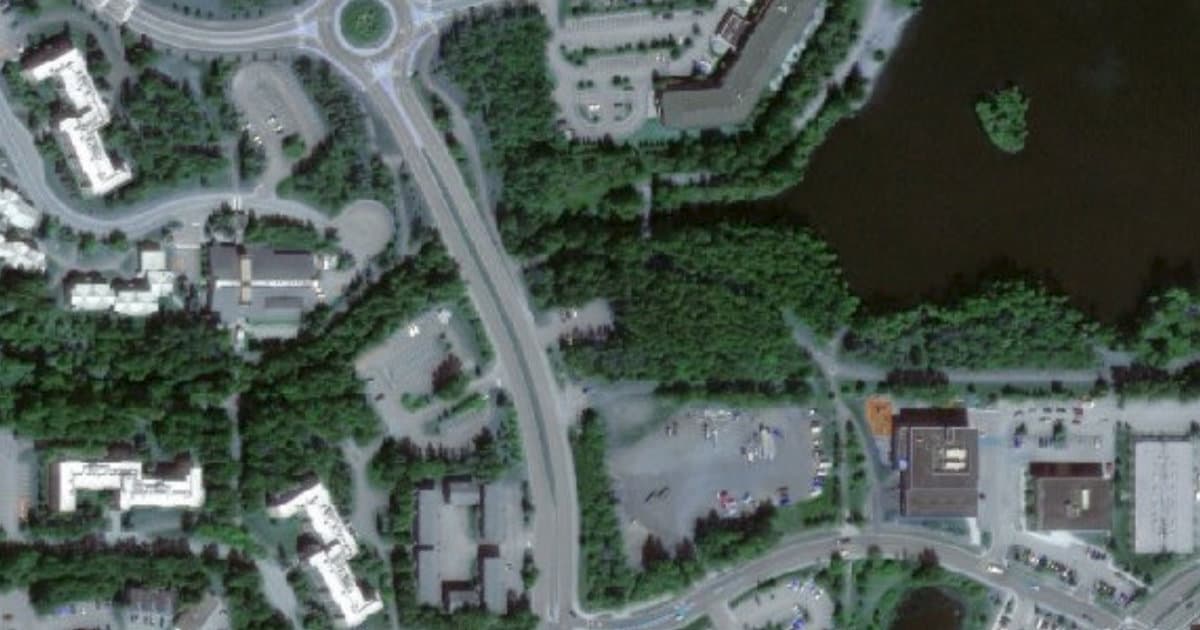
University Lake takes a different approach: instead of a fenced enclosure, it offers designated off-leash trails along the lakeshore in Anchorage's University District. Water access lets dogs wade, though seasonal closures protect nesting birds, so check posted signs before unclipping the leash. The trail format suits owners who prefer walking alongside their dogs rather than standing in a run.
North Pole Dog Park sits in the Interior community of North Pole, a short drive southeast of Fairbanks. The park features a large open area alongside 3rd Avenue for all dogs and a separate fenced section for smaller dogs. The two-zone design reduces size conflicts, and the Interior location gives Fairbanks-area residents a second option without driving into town.
Shana Anderson Dog Park anchors dog-park coverage on Prince William Sound. The fenced, grassy terrain provides off-leash exercise in Valdez, a town better known for its oil terminal and glacier cruises. For residents of the Copper River basin and coastal communities with no other fenced options, this park is a significant resource.
Where the 15 Parks Cluster
Anchorage dominates the count with seven entries, reflecting both the city's population density and its municipal investment in off-leash facilities. The remaining eight parks scatter along the road system: three in the Mat-Su Valley (Wasilla, plus nearby connections), two on the Kenai Peninsula (Soldotna, Kenai), one in the Interior (Fairbanks, plus North Pole nearby), one in Southeast (Juneau), one in Prince William Sound (Valdez), and one in Southwest (Dillingham's Wood-Tikchik State Park, which is a vast unfenced backcountry area rather than a traditional run).
Vast stretches of the state have zero documented parks. The Bush communities, the western coast, the Aleutian Chain, and the North Slope all fall outside the road network. Residents in those areas typically rely on informal off-leash exercise on public land or frozen waterways, practices that work well in winter but require careful bear awareness and land-owner permission during the warmer months.
Seasonal Considerations for Alaska Dog Parks
Alaska's seasons shape dog-park use more than in any other state. Winter daylight in Anchorage drops below six hours around the solstice, and temperatures regularly fall below zero Fahrenheit in Fairbanks and North Pole. Fenced parks that rely on overhead lighting, such as Arctic Benson and Whisper Faith Kovach in Anchorage, see the most winter traffic because owners can exercise dogs safely in the dark.
Summer brings the opposite extreme. Anchorage temperatures occasionally reach the 80s, which is hot enough to overheat heavy-coated breeds. Water access becomes critical; parks like Fairbanks Dog Park, University Lake, and 3 Friends Dog Park in Soldotna gain an edge when dogs need to cool off. Muddy spring breakup turns unfenced parks like Connor's Bog and Far North Bicentennial Park into quagmires, so fenced gravel facilities stay usable longer during the transition.
Mosquito season, roughly mid-June through July, discourages twilight visits even when daylight permits them. Owners who visit unfenced parks near standing water, especially University Lake and Connor's Bog, should apply insect repellent rated for pets or time visits for midday when mosquito activity drops.
Leash Laws and Local Rules
Alaska does not enforce a uniform statewide leash law. Anchorage's municipal code requires dogs to be leashed in most public spaces except in designated off-leash areas. The municipal animal control office posts signs at each approved off-leash location, and the rules typically require owners to remain within sight, carry a leash, and pick up waste. Other boroughs follow similar patterns but may not have designated off-leash areas at all.
In communities without posted dog parks, the default is on-leash on public property. State and national park lands follow their own regulations: Denali National Park, for instance, requires dogs to be leashed at all times and prohibits them on trails, while Chugach State Park allows leashed dogs on most trails and designates specific off-leash zones. Always check the managing agency's website before assuming off-leash access applies.
Bear safety adds a layer of responsibility that lower-48 dog owners rarely face. Most coastal and Interior parks post bear-awareness notices during summer months. Carry bear spray, make noise while walking, and keep your dog close in areas with limited visibility, especially at Connor's Bog, Far North Bicentennial Park, and Wood-Tikchik State Park.
Five Frequently Asked Questions
Are Alaska dog parks open year-round? Most municipal parks in Anchorage, Fairbanks, and Juneau stay open all year. Maintenance drops in winter, so waste-station bags may run out and snow clearance varies. Fenced parks with lighting see the most winter use. Backcountry areas like Wood-Tikchik and Far North Bicentennial Park are technically accessible but require winter survival awareness.
Do I need bear spray at an Anchorage dog park? Bear sightings in Anchorage are uncommon but not unheard of, especially at parks bordering greenbelts like Far North Bicentennial and Connor's Bog. During summer and early fall, carrying bear spray is a reasonable precaution. Coastal parks near Valdez and Southeast Juneau have lower bear density inside city limits.
Which parks separate small and large dogs? 3 Friends Dog Park in Soldotna, North Pole Dog Park, and Bark Park in Kenai all have designated sections for small and large dogs. Most Anchorage fenced parks are single large runs where all sizes mix. If your dog is under 20 pounds, visiting during off-peak hours at shared parks reduces the risk of size mismatch.
Can I let my dog swim at University Lake? University Lake permits off-leash access on designated trails and shoreline areas. Dogs may wade and swim, but seasonal closures protect nesting birds from April through mid-summer. Check the posted signs at trailheads, as closure dates shift depending on wildlife observations.
How do Alaska's extreme winters affect dog park fencing? Repeated freeze-thaw cycles and heavy snow loads can warp or damage fencing hardware. Municipal crews inspect and repair fences in spring, but mid-winter gaps sometimes appear. Inspect the perimeter before unclipping the leash, especially at older facilities. Report damage to the Anchorage Parks Department or the relevant borough maintenance office.