
Probiotics for Dogs: Do They Actually Work? A Golden Doodle's Honest Review
Hey there, friends — it's me, Auggie, your favorite curly-coated Golden Doodle and resident wellness pup here at Doggie Park Near Me! If you've been sniffing around the pet aisle lately, you've probably noticed that dog probiotic supplements are absolutely everywhere. Chews, powders, capsules — it's like the supplement section exploded with gut-health goodies for us four-legged folks. But here's the real question my mom Lacey and I kept asking: do these things actually work, or are they just another trendy treat with a fancy label? After my own tummy troubles a couple of years ago (let's just say the backyard situation was... not great), Lacey dove deep into the research. And now I'm here to share everything we learned — from real veterinary science to the products that actually made a difference in my belly and my life. Buckle up, because this Golden Doodle has opinions.
What Are Dog Probiotic Supplements and Why Should You Care?
Before we dig into the kibble bowl of science, let me break down the basics. Dog probiotic supplements are products that contain live beneficial bacteria — the good guys that help keep your pup's digestive system running smoothly. Think of them as reinforcements for your dog's gut army.
According to Cornell University's College of Veterinary Medicine, probiotics work by competing with harmful bacteria for nutrients and attachment sites in the intestinal lining. Strains like Bifidobacterium longum (BL999) can actually inhibit pathogens like Salmonella by simply outcompeting them. Pretty cool, right? I may not understand molecular biology, but I definitely understand feeling better after my mom started sprinkling that powder on my dinner.
The most common probiotic strains you'll find in dog probiotic supplements include:
- Lactobacillus acidophilus — supports overall digestive balance
- Bifidobacterium animalis (found in FortiFlora) — clinically studied for dogs
- Enterococcus faecium — helps with diarrhea and immune function
- Lactobacillus reuteri — shown to reduce harmful pathogens in the gut
These aren't just random bacteria thrown into a chew. The best products use strains that have been specifically studied in dogs, which makes a big difference in whether they'll actually help your pup or just pass right through.
The Science Behind Probiotics for Dogs: What the Research Says
Okay, I know — I'm a dog, not a scientist. But my mom Lacey is a research nerd (love her for it), and she made sure we weren't just trusting marketing claims. So here's what the actual veterinary science tells us about dog probiotic supplements.
Gut Health and Diarrhea Reduction
One of the most well-documented benefits is the reduction of diarrhea. Research highlighted by Texas A&M University's College of Veterinary Medicine — featuring canine microbiome expert Dr. Jan Suchodolski — shows that dogs receiving probiotics experience lower diarrhea incidence compared to those who don't. If you've ever dealt with a pup who has chronic loose stools (raises paw), you know how life-changing this can be.
Immune System Boost
Here's something that blew my fluffy mind: probiotics don't just help with digestion — they can actually strengthen your dog's immune system. A peer-reviewed study published in NIH's PubMed Central found that probiotic mixtures like Slab51 increased fecal IgA and IgG levels (those are antibodies, for my fellow pups who skipped biology class) while decreasing harmful bacteria like Clostridium perfringens. That means probiotics can help your dog fight off illness from the inside out.
Stress and Behavior Benefits
This one surprised even Lacey. Cornell University reports that Bifidobacterium longum (BL999) has been shown to reduce stress-related behaviors in dogs — things like excessive barking, pacing, and spinning. As a Golden Doodle who has occasionally been known to pace when the mailman arrives (he's suspicious, okay?), this finding hit close to home.
Microbiome Diversity
Combined prebiotic-probiotic supplements have been shown to enrich beneficial bacteria such as Limosilactobacillus, Bifidobacterium, Prevotella, and Faecalibacterium in canine guts. This boost in microbial diversity also increases butyrate production — a short-chain fatty acid that nourishes the cells lining the intestines. More diversity = a healthier, happier gut.
VCA Animal Hospitals notes that while more animal-specific studies are needed, the anecdotal and emerging clinical evidence strongly supports using probiotics for gastrointestinal health in dogs.
How to Choose the Best Dog Probiotic Supplements
Not all probiotic dog supplements are created equal. Trust me — Lacey and I have tried enough of them to know. Here's what to look for when choosing the right one for your furry friend:
1. CFU Count Matters
CFU stands for Colony Forming Units — basically, how many live bacteria are in each dose. Cornell recommends a daily dose of 1 to 10 billion CFUs for dogs. If a product doesn't list its CFU count, that's a red flag. Walk away. Or, in my case, trot away with your tail held high.
2. Clinically Studied Strains
Look for products that use strains with actual research behind them. According to PetMD, Purina Pro Plan FortiFlora is the most widely recommended by veterinarians because of its research backing, stability, and palatability. (Can confirm — it tastes great on kibble.)
3. Proper Storage and Viability
Probiotics are live organisms. If they're dead by the time they reach your dog's gut, they're useless. Choose products with guaranteed viability through the expiration date, not just at the time of manufacture.
4. Species-Appropriate Formulation
Human probiotics aren't always safe or effective for dogs. Always choose a product specifically formulated for canines with dog-studied strains.
Top Dog Probiotic Supplements Worth Trying
After extensive taste-testing (my favorite part of the research process) and Lacey's deep dive into ingredients and reviews, here are the dog probiotic supplements we recommend:
1. Purina Pro Plan Veterinary Supplements FortiFlora
This is the gold standard, and for good reason. It's the most commonly recommended probiotic by veterinarians, backed by clinical research, and contains Enterococcus faecium SF68. I've been on this one personally, and my digestion has never been better.
👉 Purina Pro Plan FortiFlora Dog Probiotic Supplement
2. Nutramax Proviable Digestive Health Supplement
Proviable combines prebiotics and probiotics with multiple beneficial strains. It comes in both capsule and paste form, which is great for dogs who are a little pickier (not me — I eat everything). Cornell specifically mentions Proviable as a product with proven efficacy.
👉 Nutramax Proviable Health Supplement for Dogs
3. PetLab Co. Probiotics for Dogs
These are soft chews with a blend of beneficial bacteria plus a prebiotic (inulin) to help feed those good bugs. They're super popular with dog parents in your area and near you because they're easy to give as a daily treat.
👉 PetLab Co. Probiotics for Dogs Chews
4. Zesty Paws Probiotic Bites
Zesty Paws includes a pumpkin and papaya blend alongside their probiotic strains, which adds natural digestive support. Plus, the pumpkin flavor? Chef's kiss — or, in dog terms, chef's tail wag.
👉 Zesty Paws Probiotic for Dogs
5. Native Pet Probiotic Powder
This is a simple, clean powder formula with just four ingredients. It's great for dogs with sensitivities because there are no unnecessary fillers. My friend Bruno (a very distinguished Labrador from the park near me) swears by it.
👉 Native Pet Probiotic for Dogs
When Should You Start Your Dog on Probiotic Supplements?
Great question — and one Lacey asked our vet before starting me on anything. Here are some common scenarios where dog probiotic supplements can make a real difference:
- After a round of antibiotics — Antibiotics wipe out bad bacteria AND good bacteria. Probiotics help repopulate the beneficial ones.
- During dietary transitions — Switching foods? Probiotics can ease the transition and prevent digestive upset.
- Chronic digestive issues — If your pup deals with recurring soft stools, gas, or bloating, probiotics may help restore balance.
- Stressful situations — Boarding, travel, moving to a new home, or even a new dog park in your area can stress a pup's system. Remember that BL999 strain I mentioned? This is when it shines.
- Senior dogs — As dogs age, our gut microbiome can become less diverse. Probiotic supplementation can help maintain that diversity.
- Immune support — Since a huge portion of the immune system lives in the gut, keeping it healthy with probiotics is a proactive move.
Always chat with your veterinarian before starting any new supplement, especially if your dog has underlying health conditions.
Potential Side Effects and What to Watch For
I want to be honest with you all, because that's what good boys do. While dog probiotic supplements are generally considered safe, there are a few things to keep in mind:
- Initial digestive adjustment — Some dogs may experience mild gas or changes in stool consistency during the first few days. This happened to me, but it passed quickly (pun absolutely intended).
- Quality concerns — Not all products on the market contain what they claim. Stick with brands that have third-party testing or veterinary backing.
- Immune-compromised dogs — If your pup has a severely weakened immune system, introducing live bacteria could theoretically cause issues. This is rare, but it's another reason to consult your vet.
- Overdosing — More isn't necessarily better. Stick to the recommended CFU range of 1-10 billion per day unless your vet advises otherwise.
The research from NIH/PubMed Central confirms that canine-derived probiotic strains like various Lactobacillus species are generally well-tolerated and effective at improving gut microbiota and alleviating intestinal disorders such as IBD.
Probiotics vs. Prebiotics: What's the Difference?
I get this question all the time at the dog park (okay, not really — mostly I get sniffed — but Lacey gets asked). Here's the quick breakdown:
- Probiotics = live beneficial bacteria that you add to the gut
- Prebiotics = fiber and nutrients that feed the good bacteria already living in the gut
The best approach? Use both. Many of the top probiotic dog supplements already include prebiotics (like inulin or fructooligosaccharides) to give those beneficial bacteria the fuel they need to thrive. This combination approach has been shown to enrich beneficial strains and boost butyrate production, which is essential for intestinal health.
Tips for Giving Your Dog Probiotics Successfully
From one dog to your dog's human: here are my best tips for making probiotic supplementation a success.
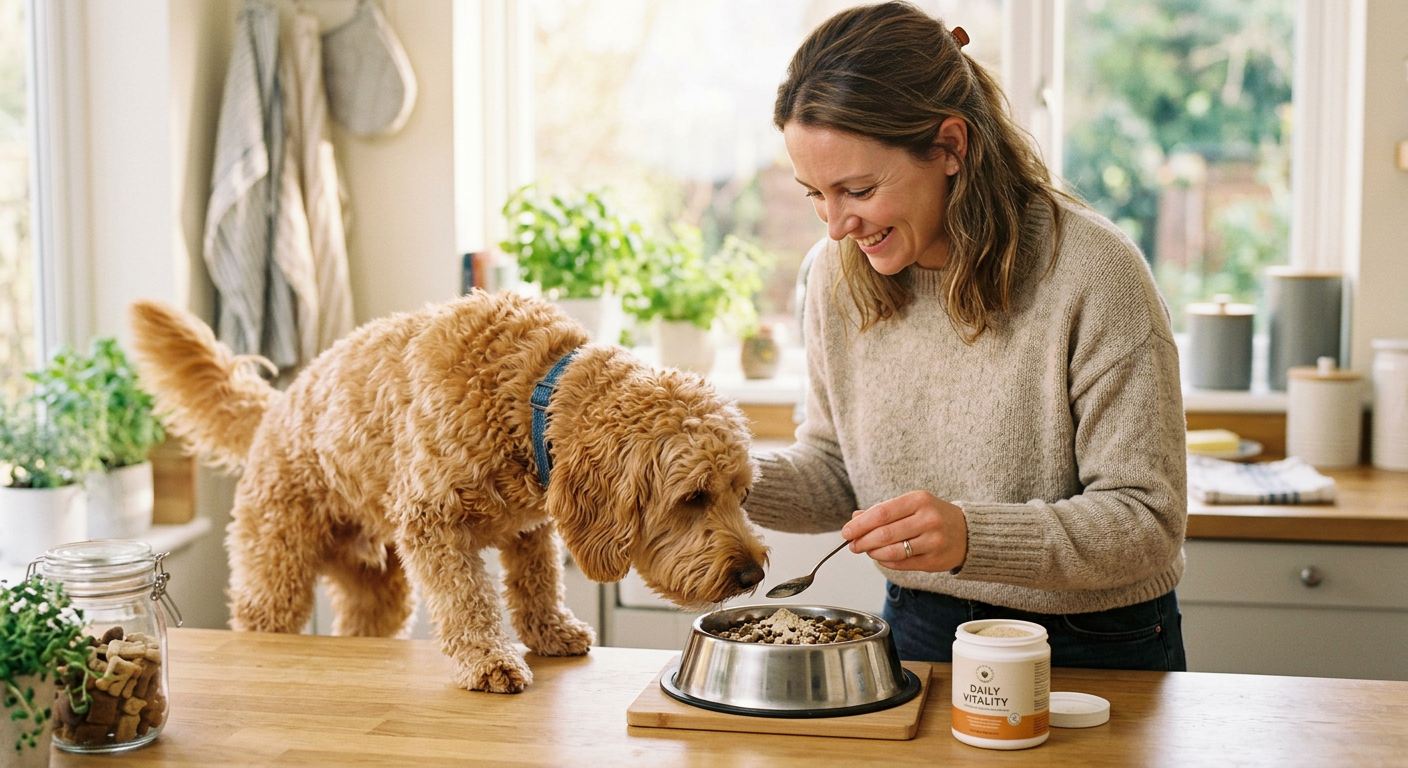
- Consistency is key — Give probiotics at the same time each day, ideally with a meal. My mom Lacey adds mine to my breakfast every morning like clockwork.
- Start slow — If your dog has a sensitive stomach, consider starting with half the recommended dose and working up.
- Store properly — Some probiotics need refrigeration. Check the label and follow instructions to keep those bacteria alive.
- Match the form to your dog — Powder works great for food-motivated dogs (hello, that's me). Chews work well for treat-motivated pups. Capsules can be hidden in a pill pocket for the suspicious ones.
- Track results — Keep a simple log of your dog's stool quality, energy levels, and any symptoms. This helps you and your vet determine if the probiotic is working.
- Check with your vet near you — Every dog is different. A quick conversation with your local veterinarian can help you choose the right product and dosage for your specific pup.
So, do dog probiotic supplements actually work? This Golden Doodle says: yes, woof, absolutely. The science backs it up, my personal experience confirms it, and my mom Lacey has seen the difference firsthand — from better digestion to a shinier coat to fewer stressed-out zoomies when the doorbell rings. Are they a magic cure-all? No. But when you choose a quality product with clinically studied strains, proper CFU counts, and your vet's blessing, probiotics can be a game-changer for your dog's gut health and overall wellness.
If you're ready to give your pup's tummy some love, start with one of the products I recommended above, talk to your vet near you, and watch for the tail-wagging results. And hey — if you found this guide helpful, share it with a fellow dog parent! We're all in this together, one happy gut at a time. 🐾
Until next time, stay curious, stay healthy, and never turn down a belly rub.
Paws and love, Auggie 🐾
Frequently Asked Questions
What probiotic is best for dogs?
The most widely recommended dog probiotic supplement by veterinarians is Purina Pro Plan FortiFlora, which contains Enterococcus faecium SF68 and is backed by extensive clinical research. Nutramax Proviable is another excellent option that combines multiple strains with prebiotics. Cornell University's veterinary experts specifically recommend both FortiFlora and Proviable for their proven efficacy. The best probiotic for your specific dog depends on their individual health needs, so it's always a good idea to consult with your vet near you before starting a new supplement.
Should I give my dog a probiotic supplement?
Dog probiotic supplements can benefit most dogs, especially those dealing with digestive issues, antibiotic recovery, dietary changes, stress, or age-related gut changes. Research from Texas A&M University and Cornell University shows that probiotics can reduce diarrhea incidence, boost immune function, and even help with stress-related behaviors. However, they're a supplement — not a replacement for proper veterinary care. I always recommend talking to your vet before starting any new supplement to make sure it's appropriate for your pup's specific health situation.
What are the signs a dog needs probiotics?
Common signs that your dog might benefit from probiotic supplements include chronic or recurring diarrhea, excessive gas or bloating, constipation, gurgling stomach sounds, poor coat quality, frequent yeast infections, and low energy. Dogs who have recently been on antibiotics, are transitioning to new food, or are experiencing stress from travel, boarding, or environmental changes are also great candidates. If you notice persistent digestive issues, consult your veterinarian to determine whether a probiotic supplement could help restore your dog's gut balance.
How long does it take for dog probiotics to work?
Most dogs begin showing improvement within 1 to 2 weeks of starting a quality dog probiotic supplement, though some may notice changes in stool quality within just a few days. For chronic conditions like IBD or long-term digestive imbalances, it may take 4 to 6 weeks to see significant results. Consistency is important — giving probiotics daily with meals helps maintain beneficial bacteria levels in the gut. If you don't see improvement after 4-6 weeks, check in with your vet to explore other options or adjust the dosage.
Can I give my dog human probiotics?
While some human probiotic strains overlap with those beneficial for dogs, it's generally not recommended to give your dog human probiotics. Human formulations may contain additives, sweeteners (like xylitol, which is toxic to dogs), or dosages that aren't appropriate for canines. Dog probiotic supplements are specifically formulated with species-appropriate strains at the right CFU counts for dogs. For the safest and most effective results, always choose a product designed specifically for dogs and consult your veterinarian.
Are there any side effects of probiotics for dogs?
Dog probiotic supplements are generally very safe, but some dogs may experience mild side effects during the first few days, including temporary gas, bloating, or slight changes in stool consistency. These symptoms usually resolve as the gut adjusts to the new beneficial bacteria. In rare cases, immune-compromised dogs could have adverse reactions to live bacteria. To minimize side effects, start with a lower dose and gradually increase to the full recommended amount. Always consult your vet if side effects persist or worsen.
About Auggie
Hi, I'm Auggie! I'm a Golden Doodle who's been to more dog parks than most humans. My mom Lacey and I started Doggie Park Near Me to help every pup find their perfect park. When I'm not sniffing out new spots, you'll find me napping in the sun or begging for treats.
Learn more about us →More From Auggie

Dog Supplements Guide: Which Ones Does Your Dog Actually Need?
Hey, it's Auggie! 🐾 Wondering which dog supplements your pup actually needs? I'm breaking down everything from joint support to omega-3s and probiotics — plus my top product picks. Whether your dog is a park-loving puppy or a dignified senior, this guide has you covered. Let's dig in!

How to pick the best doggie park near me by Auggie
Hey there, it's Auggie the Golden Doodle! Ever wonder where you can find the perfect doggie park near me? In my ultimate guide, I share my favorite spots, essential park features like agility runs and water fountains, and top tips for a safe, fun outing. Join me to discover local parks that keep us wagging and ready for adventure. Trust me, you don't want to miss these insider secrets!

Dog Skin and Coat Supplements: Getting That Healthy Shine
Woof! It's Auggie here, your favorite Golden Doodle, sharing everything I know about dog skin health supplements. From omega-3s and vitamin E to zinc and lifestyle tips, I'm breaking down the science-backed ingredients that transformed my coat from dull to dazzling. Get my vet-approved picks and personal routine!