
Dog Supplements Guide: Which Ones Does Your Dog Actually Need?
Hey there, friends — it's Auggie, your favorite curly-haired Golden Doodle, here to sniff out the truth about dog supplements. If your human is anything like my mom Lacey, they've probably stood in the pet store aisle (or scrolled endlessly online) staring at rows and rows of bottles, chews, and powders wondering, "Does my dog actually need any of this stuff?" Trust me, I've watched Lacey do the research face — furrowed brows, phone in hand, muttering about glucosamine versus fish oil. So I figured it was time to put paws to keyboard and break it all down for you. Whether your dog is a bouncy puppy, a weekend warrior at the dog park near you, or a distinguished senior like some of my park pals, this guide will help you figure out which dog supplements are worth your kibble money — and which ones you can skip. Let's dig in!
Why Dog Supplements Are More Popular Than Ever
Here's a fun fact that made even my floppy ears perk up: according to the American Veterinary Medical Association (AVMA), about one-third of U.S. households with dogs use supplements for their furry family members. That's a LOT of pups popping pills — or, more likely, chomping tasty chews.
And honestly? I get it. We dogs are living longer, more active lives than ever. My mom Lacey takes me on hikes, we hit the dog park in our area almost every weekend, and I'm expected to keep up with Border Collies half my age. (Spoiler: I totally do. Mostly.) As our lifestyles evolve, so does the conversation around how to keep us healthy from nose to tail.
But here's the thing that even surprised me: dog supplements aren't strictly regulated by the FDA the same way human medications are. That means quality, potency, and safety can vary wildly from brand to brand. Today's Veterinary Practice (ACVN-endorsed) notes that a 2006 survey found 9.9% of pet owners were giving dietary supplements to their dogs, with multivitamins, joint products, and fatty acids topping the list. That number has only grown since then.
So the real question isn't whether dog supplements exist — it's which ones your dog actually needs, and how to choose quality products. Let's break it down category by category.
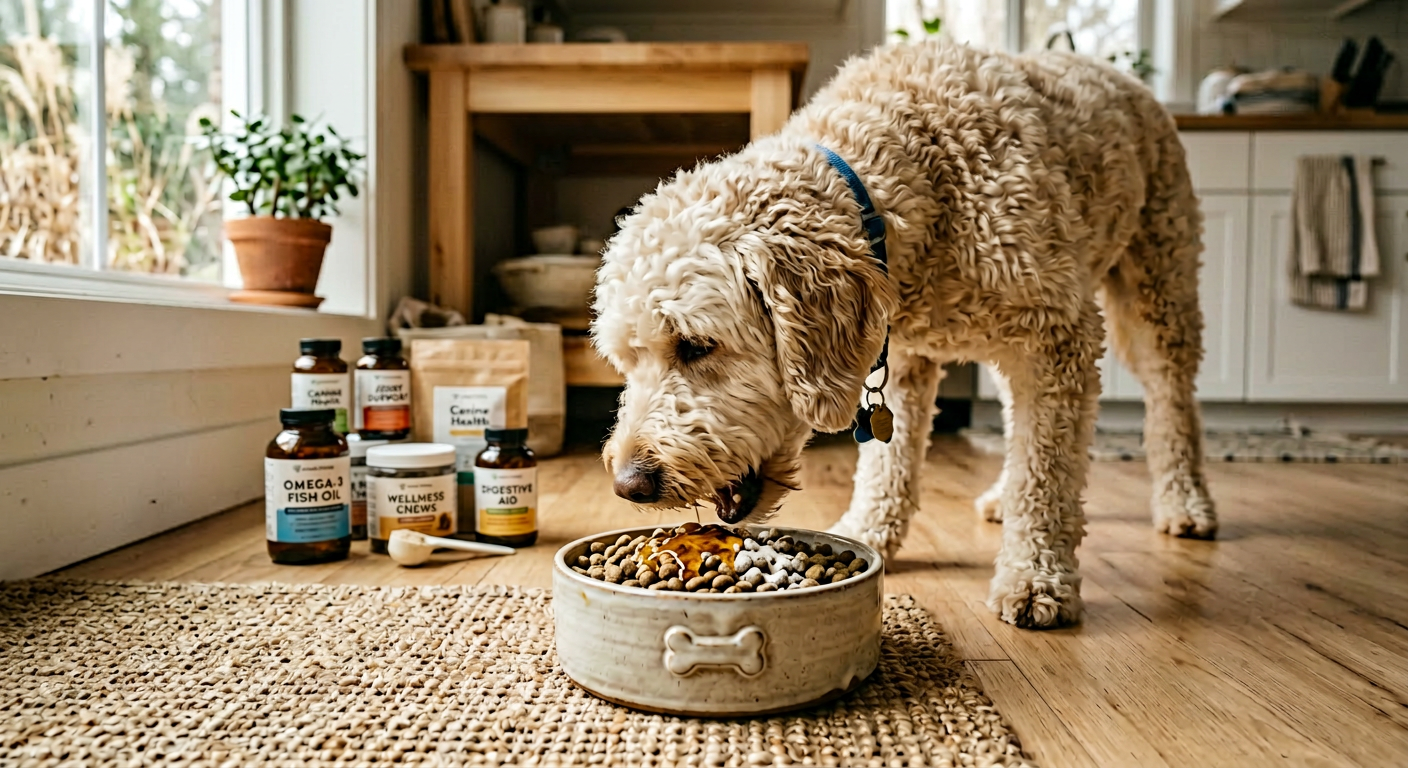
Joint Supplements for Dogs: Keeping Those Zoomies Going
If there's one category of dog supplements that gets the most tail wags of approval from veterinarians, it's joint support. And I say this from personal experience — I've watched my senior dog park buddy, a beautiful Labrador named Duke, go from stiff morning walks to happy trots after his human started him on a joint supplement.
The big players in joint health are glucosamine and chondroitin. According to PetMD, these compounds help maintain cartilage health and support the structural integrity of joints. However — and this is important — they require long-term, consistent use to be effective and don't relieve arthritis pain on their own. Think of them as maintenance, not a quick fix.
Many joint supplements for dogs also include MSM (methylsulfonylmethane) and green-lipped mussel, which provide additional anti-inflammatory benefits.
For dogs dealing with hip dysplasia, early-stage arthritis, or breed-related joint concerns (looking at you, German Shepherds and Golden Retrievers), a quality joint supplement can be a game-changer. One product my mom Lacey has researched extensively is the Nutramax Cosequin Maximum Strength Joint Supplement. It's one of the most veterinarian-recommended brands out there, and it contains both glucosamine and chondroitin in clinically studied doses.
Who Needs Joint Supplements?
- Large and giant breed dogs
- Senior dogs (7+ years)
- Dogs with diagnosed arthritis or hip dysplasia
- Very active dogs who run, jump, and play hard at the dog park near you
- Breeds genetically predisposed to joint issues
Omega-3 Fatty Acids: The Superstar Supplement for Dogs
Okay, if I had to pick ONE supplement that does the most for the most dogs, it would be omega-3 fatty acids. And I'm not just saying that because fish oil makes my coat look absolutely fabulous (though it does — my mom Lacey gets compliments on my floof constantly).
The University of Illinois College of Veterinary Medicine highlights that omega-3 fatty acids — specifically EPA and DHA — support heart health, joint function, skin and coat quality, and even cognitive function in aging dogs. Research suggests a dose of 1–3 mg per calorie of EPA+DHA for anti-inflammatory benefits.
Omega-3s are particularly helpful for:
- Itchy, dry, or flaky skin — If your dog is scratching more than usual, omega-3s can help calm inflammation from the inside out.
- Allergies — They won't cure environmental allergies, but they can reduce the inflammatory response.
- Heart health — Especially important for breeds prone to cardiac issues.
- Brain health in seniors — DHA supports cognitive function, which can slow the progression of canine cognitive dysfunction (doggy dementia).
My mom Lacey swears by Zesty Paws Pure Wild Alaskan Salmon Oil. It's a pump-top liquid you add right to food — no wrestling with capsules. I personally find it makes my dinner taste like a gourmet meal. Well, more gourmet than usual.

Probiotics and Digestive Supplements for Dogs
Let me be real with you for a second: us dogs eat some questionable things. I once tried to eat a sock. My park friend Biscuit regularly samples goose poop like it's a delicacy. Our digestive systems work HARD, and sometimes they need a little backup.
That's where probiotic supplements for dogs come in. Probiotics introduce beneficial bacteria into your dog's gut, supporting healthy digestion, nutrient absorption, and immune function. In fact, about 70-80% of the immune system lives in the gut — for dogs AND humans.
Probiotics can help with:
- Loose stools or occasional diarrhea
- Gas and bloating (your human will thank you)
- Recovery after antibiotics
- General immune support
- Sensitive stomachs
If your dog has chronic digestive issues, supplements for dogs that combine probiotics with digestive enzymes and pumpkin fiber can offer comprehensive gut support. The Purina Pro Plan FortiFlora Probiotic is veterinarian-recommended and comes in single-serve sachets you sprinkle over food. Even picky eaters (not me — I eat everything) seem to love the taste.
Multivitamins: Does Your Dog Need a Daily Vitamin?
This is where things get a little nuanced, and I want to be honest with you. According to VCA Animal Hospitals, if your dog is eating a complete and balanced commercial dog food that meets AAFCO standards, they're likely getting all the essential vitamins and minerals they need from their diet alone.
So when do multivitamin supplements for dogs make sense?
- Homemade diet dogs — If your human prepares your meals at home, there's a higher risk of nutritional gaps. A multivitamin can help fill those in.
- Dogs with malabsorption issues — Certain health conditions prevent proper nutrient absorption.
- Senior dogs — Aging bodies sometimes need a nutritional boost.
- Dogs on restricted or prescription diets — Elimination diets for allergies, for example, may limit nutrient variety.
The key takeaway? Don't double up without reason. Over-supplementing certain vitamins (like Vitamin A or D) can actually be toxic to dogs. Always chat with your vet before adding a multivitamin to the mix.
If your vet does recommend one, the Zesty Paws Multivitamin Bites are a solid choice. They include a blend of vitamins, minerals, and added glucosamine and chondroitin for joint support — kind of a two-for-one deal.
Skin and Coat Supplements for Dogs
As a Golden Doodle, I take my coat very seriously. It's my signature look. But even non-doodle dogs can benefit from skin and coat dog supplements, especially if they deal with:
- Seasonal shedding overload
- Dry, dull, or brittle fur
- Hot spots or itchy skin
- Environmental or food allergies
Beyond omega-3s (which I already raved about), look for supplements containing biotin, zinc, and vitamin E. These nutrients support skin cell turnover, moisture retention, and overall coat luster.
The Zesty Paws Omega Bites combine omega-3, omega-6, biotin, and vitamin E in a tasty soft chew — perfect for dogs who turn their noses up at liquid oils.
How to Choose Quality Dog Supplements
Alright, this is where I put on my serious face (well, as serious as a doodle can look). Since dog supplements aren't regulated the same way prescription medications are, you need to be a savvy shopper. Here's what my mom Lacey and I look for:
1. Third-Party Testing
Look for supplements that have been independently tested by organizations like the National Animal Supplement Council (NASC) or carry a GMP (Good Manufacturing Practices) certification. This ensures what's on the label is actually in the product.
2. Veterinarian Recommendation
Your vet knows your dog's individual health profile. A supplement that's perfect for a 10-year-old Great Dane might be unnecessary — or even harmful — for a 2-year-old Chihuahua. Always consult your vet before starting any new supplement.
3. Transparent Ingredient Lists
Avoid products with vague ingredient descriptions, excessive artificial fillers, or unnecessary added sugars. Simpler is usually better.
4. Appropriate Dosing
More isn't better when it comes to supplements for dogs. Look for products with clear dosing instructions based on your dog's weight, and follow them.
5. Brand Reputation
Stick with established brands that have a track record in the pet supplement space. Read reviews from other dog parents in your area and beyond.
When Dog Supplements Aren't the Answer
I love a good supplement as much as the next pup, but I also want to be straight with you: supplements are not a replacement for veterinary care, a balanced diet, regular exercise, and preventive medicine.
If your dog is limping, losing weight, vomiting frequently, or showing other concerning symptoms, please don't just throw a supplement at the problem. Get to the vet. Dog supplements work best as part of a holistic approach to wellness — alongside proper nutrition, exercise (hello, dog park near you!), mental stimulation, dental care, and regular checkups.
Think of supplements as the cherry on top of an already healthy lifestyle. They fill gaps, support specific needs, and optimize wellness — but they're not miracle cures.
A Quick Reference: Dog Supplements by Life Stage
| Life Stage | Recommended Dog Supplements |
|---|---|
| Puppies | DHA for brain development, probiotics for gut health |
| Adult Dogs | Omega-3s for maintenance, probiotics, joint support if active |
| Senior Dogs (7+) | Joint supplements (glucosamine/chondroitin), omega-3s, cognitive support (DHA), multivitamins |
| Active/Working Dogs | Joint support, omega-3s, electrolytes, muscle recovery |
| Dogs with Allergies | Omega-3s, probiotics, skin & coat supplements |
Well, friends, we made it to the end of my big dog supplements deep dive, and I hope your tail is wagging with all this new knowledge! The bottom line? Not every dog needs every supplement, but the right ones — chosen with your vet's guidance and your pup's individual needs in mind — can make a real difference in quality of life. My mom Lacey always says, "An informed dog parent is the best kind of dog parent," and I couldn't agree more (she also says I'm the handsomest boy, which is objectively true). Whether you're exploring joint support for your aging buddy, omega-3s for that show-stopping coat, or probiotics for a happier tummy, start with quality products and always consult your veterinarian. Now, if you'll excuse me, I've got a dog park date and some zoomies to attend to. Woof! 🐾
Have questions about dog supplements or want to share what works for your pup? Drop a comment below or find more guides at doggieparknearme.com!
Frequently Asked Questions
What are the best supplements to give dogs?
The best dog supplements depend on your pup's individual needs, but the most widely recommended ones include omega-3 fatty acids (like fish oil) for skin, coat, and joint health; glucosamine and chondroitin for joint support; and probiotics for digestive and immune health. According to veterinary research, these three categories are the most commonly used and studied supplements for dogs. Always consult your veterinarian before starting any new supplement to make sure it's appropriate for your dog's age, breed, and health status.
Are carrots good for dogs?
Yes! Carrots are a fantastic, low-calorie snack for dogs. They're rich in beta-carotene (which converts to vitamin A), fiber, and antioxidants. Raw carrots can also help clean teeth and satisfy a dog's urge to chew. However, carrots alone aren't a substitute for a proper dog supplement if your vet has identified a specific nutritional deficiency. Think of them as a healthy treat — I personally love a good crunchy carrot after a romp at the dog park!
Do probiotics help dogs with acid reflux?
Probiotics can support overall digestive health in dogs, which may indirectly help manage mild acid reflux by promoting a balanced gut microbiome and healthier digestion. However, acid reflux in dogs can have underlying causes — such as a hiatal hernia, obesity, or diet issues — that require veterinary diagnosis and treatment. Probiotics are a great complementary supplement, but if your dog is showing signs of acid reflux (like lip licking, gulping, or regurgitation), a vet visit should be your first step.
What supplements are good for dogs with hip dysplasia?
For dogs with hip dysplasia, the most commonly recommended supplements include glucosamine and chondroitin to support cartilage health, omega-3 fatty acids (EPA and DHA) to reduce inflammation, and MSM for additional joint comfort. Green-lipped mussel extract is another popular ingredient found in many joint supplements for dogs. These supplements work best when started early and used consistently over time. Your veterinarian may also recommend combining supplements with weight management, physical therapy, and appropriate exercise to give your dog the best quality of life.
About Auggie
Hi, I'm Auggie! I'm a Golden Doodle who's been to more dog parks than most humans. My mom Lacey and I started Doggie Park Near Me to help every pup find their perfect park. When I'm not sniffing out new spots, you'll find me napping in the sun or begging for treats.
Learn more about us →More From Auggie

How to pick the best doggie park near me by Auggie
Hey there, it's Auggie the Golden Doodle! Ever wonder where you can find the perfect doggie park near me? In my ultimate guide, I share my favorite spots, essential park features like agility runs and water fountains, and top tips for a safe, fun outing. Join me to discover local parks that keep us wagging and ready for adventure. Trust me, you don't want to miss these insider secrets!

Dog Skin and Coat Supplements: Getting That Healthy Shine
Woof! It's Auggie here, your favorite Golden Doodle, sharing everything I know about dog skin health supplements. From omega-3s and vitamin E to zinc and lifestyle tips, I'm breaking down the science-backed ingredients that transformed my coat from dull to dazzling. Get my vet-approved picks and personal routine!

Calming Supplements for Dogs: What Works for Anxiety
Hey, it's Auggie! As a Golden Doodle who knows a thing or two about anxiety, I'm breaking down which calming dog supplements actually work — backed by real science and personal sniff-tests. From L-theanine to melatonin to my top product picks, here's everything you need to help your anxious pup find their chill.