
Indoor Dog Parks: The Year-Round Alternative for Your Pup
Woof, friends! It's me, Auggie — your favorite Golden Doodle blogger, reporting live from the comfort of my favorite dog bed (which I definitely didn't steal from the couch). Let me tell you something: I love a good romp outside as much as the next pup, but when the summer heat turns the pavement into a frying pan or winter makes my paws feel like little ice cubes, my mom Lacey and I head to our favorite indoor dog park. Honestly, it's been a game-changer for us. Whether it's pouring rain, blazing hot, or there's a foot of snow on the ground, an indoor dog park means I never have to miss out on playtime, zoomies, or making new furry friends. In this guide, I'm going to share everything I've learned — from my own four-pawed experience and from my mom's research — about why indoor dog parks are booming, how to find a great one near you, what to bring, and how to keep your pup safe and happy inside those magical walls.
What Exactly Is an Indoor Dog Park?
If you've never been to an indoor dog park, picture this: a large, climate-controlled facility — sometimes the size of a warehouse — designed specifically for dogs to run, play, and socialize off-leash. Unlike your typical outdoor park with grass and trees, an indoor dog park often features rubberized flooring, agility equipment, splash pads, separate areas for big and small dogs, and sometimes even a café or bar for the humans. (My mom Lacey is a big fan of that last perk.)
These parks are popping up all over the country, and for good reason. They solve a real problem: what do you do with your high-energy pup when the weather won't cooperate? For breeds like me — a fluffy Golden Doodle who overheats in summer and whose curly fur turns into a snowball magnet in winter — an indoor dog park is basically paradise on four legs.
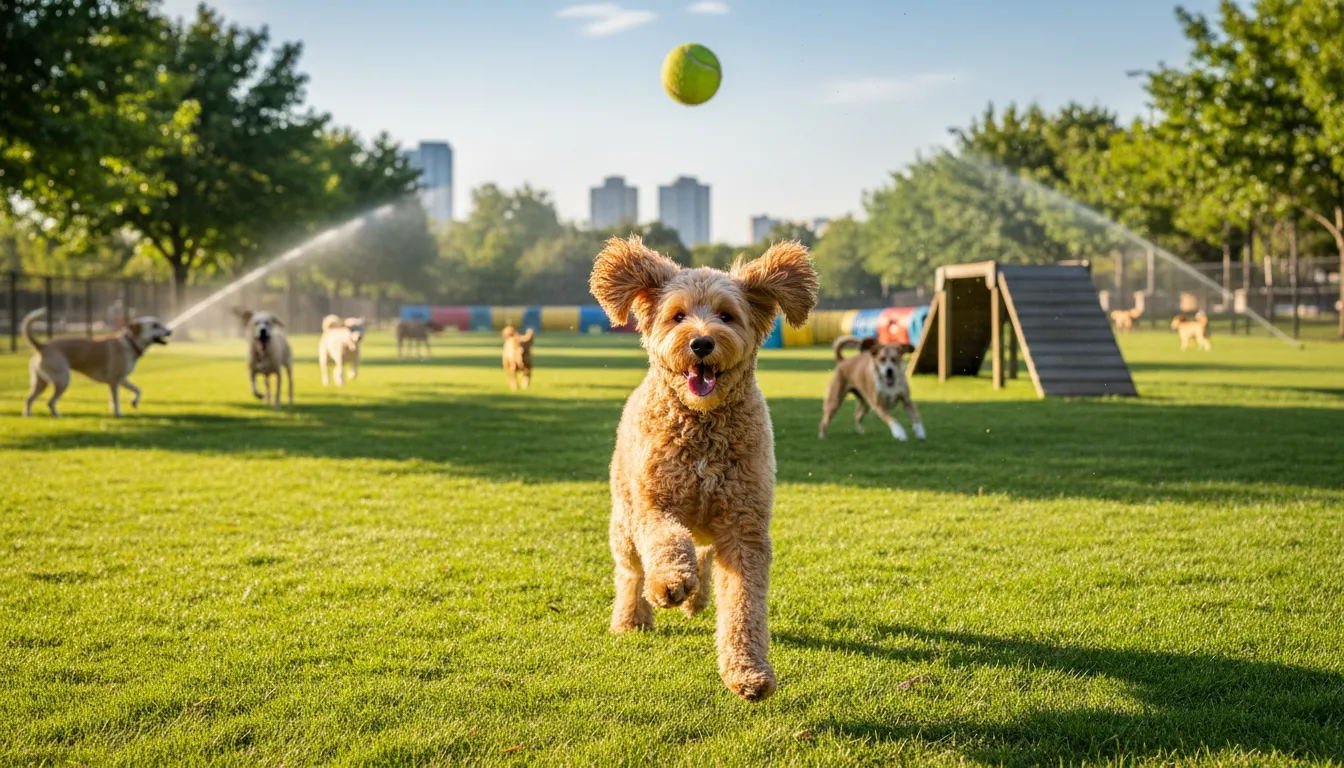
Why an Indoor Dog Park Is the Perfect Year-Round Solution
Weather? What Weather?
Let's be honest — weather ruins a lot of outdoor plans. According to my mom Lacey, some cities experience extreme heat for months on end, while others are buried in snow half the year. For dogs who need daily exercise and socialization (hi, that's me), missing weeks or months of park time isn't just inconvenient — it can affect our mental and physical health.
An indoor dog park eliminates the weather excuse entirely. Rain, sleet, hail, or a heat advisory? Doesn't matter. The temperature inside is always just right, and I never have to worry about burning my paw pads on scorching asphalt or slipping on ice.
Socialization Without the Stress
One of the biggest benefits of a well-run indoor dog park is controlled socialization. Many facilities require proof of vaccinations, temperament assessments, and even memberships. This means I'm not just running around with random dogs — I'm playing with pups whose humans have done their due diligence. According to VCA Animal Hospitals, ensuring dogs are up-to-date on vaccines for distemper, Bordetella, and rabies is essential before any park visit, and quality indoor parks tend to enforce these rules more strictly than outdoor parks.
Exercise for Body and Brain
Most indoor dog parks go way beyond a flat, open room. Many include agility courses, tunnels, ramps, and interactive toys. For a smart cookie like me (Golden Doodles are known for our brains AND our good looks), this kind of mental stimulation is just as important as physical exercise. A tired dog is a happy dog, and a mentally stimulated dog is a dog who doesn't eat your shoes. Just saying.
How to Find an Indoor Dog Park Near You
Searching for an "indoor dog park near me" or "inside dog park near me" is the easiest way to start. Here are a few tips to help you narrow down your options:
- Google Maps & Yelp: Search for "indoor dog park near me" and check reviews. Look for parks with high ratings, lots of reviews, and photos that show clean, well-maintained spaces.
- Social Media Groups: Local Facebook groups for dog owners in your area are goldmines of recommendations. My mom Lacey found our favorite spot through a Golden Doodle owners group!
- Doggieparknearme.com: Shameless plug, but we're literally building a resource to help you find the best dog parks — indoor and outdoor — in your area.
- Ask Your Vet: Your veterinarian may know of reputable indoor dog parks nearby, especially ones that enforce vaccination requirements.
- Word of Mouth: Talk to other dog parents at the groomer, pet store, or on your daily walks. Dogs are social creatures, and so are our humans.
When you find a promising indoor dog park, visit without your dog first if possible. Check the cleanliness, ventilation, flooring, and how the staff supervises play. Trust your nose, too — a well-maintained facility shouldn't smell overwhelmingly of, well, you know.
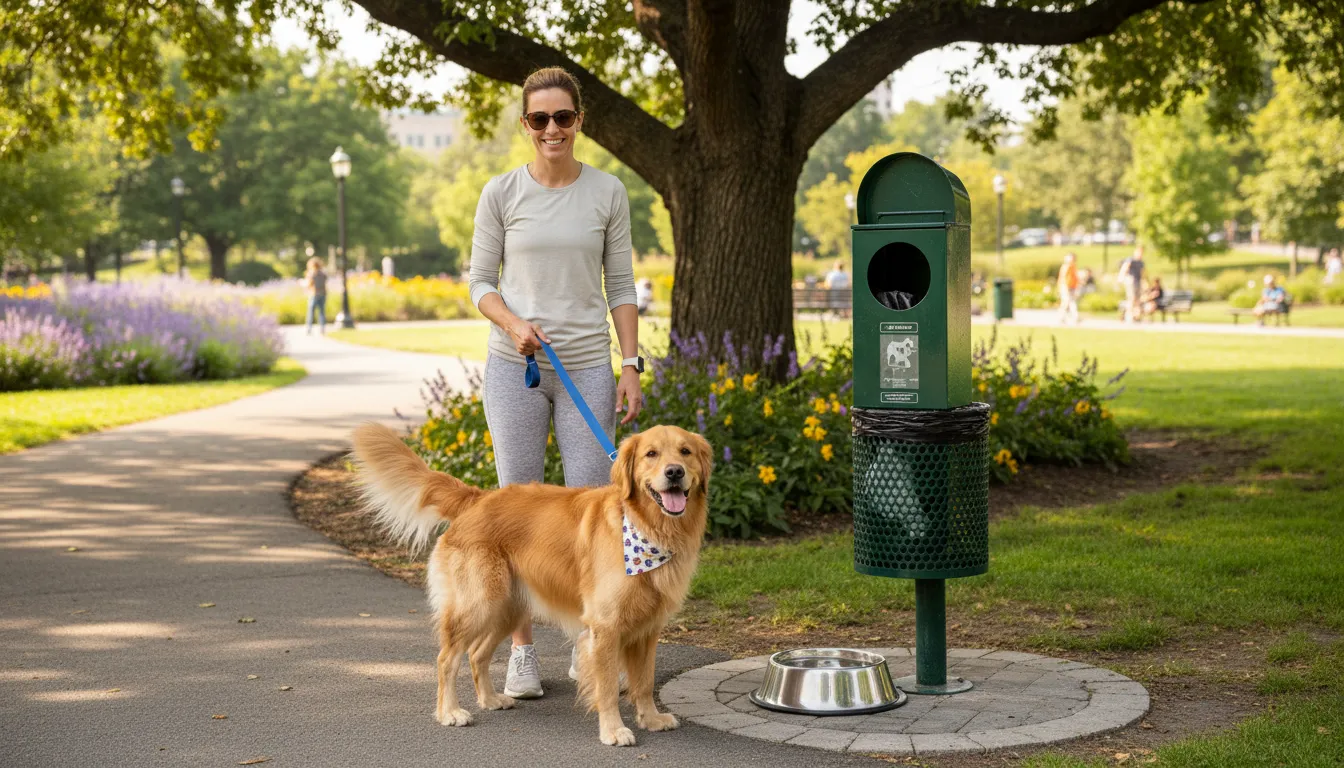
What to Bring to an Indoor Dog Park
Before you load your pup in the car and head to an inside dog park near you, make sure you're prepared. Here's my tried-and-true packing list:
1. Vaccination Records
Most reputable indoor dog parks require proof of current vaccinations — typically rabies, distemper/parvo, and Bordetella (kennel cough). Lone Tree Veterinary Clinic recommends avoiding dog parks entirely for unvaccinated puppies or sick dogs, and stresses year-round flea, tick, and heartworm preventives to curb parasite transmission. Keep a copy of your records on your phone or in a folder in your car.
2. Water and a Travel Bowl
Even though many indoor dog parks provide water stations, I always appreciate having my own bowl. My mom brings the Portable Dog Water Bottle with Bowl — it's leak-proof, easy to squeeze, and clips right onto her bag. Hydration is key, especially when I'm doing full-speed zoomies.
3. A Sturdy Leash and Harness
You'll need a leash to get from the car to the park entrance (and back again when I'm exhausted). I'm a big fan of the Rabbitgoo No-Pull Dog Harness — it's comfortable, adjustable, and keeps me from accidentally bowling over anyone in the parking lot.
4. Poop Bags
Yes, even at an indoor dog park. Many facilities provide them, but it's always good to have your own stash. The Earth Rated Dog Poop Bags are my mom's go-to — they're unscented, leak-proof, and eco-friendly.
5. Treats for Recall Training
Having high-value treats on hand helps reinforce your dog's recall, which is crucial in any off-leash environment. My mom swears by Zuke's Mini Naturals Training Treats — they're small, soft, and I will literally do anything for them.
6. A Towel or Microfiber Cloth
Some indoor dog parks have splash features or I just get plain slobbery from all the wrestling. A quick towel-off before getting back in the car saves Lacey's upholstery (and her sanity).
Safety Tips for Indoor Dog Parks
Now, I know what you're thinking: "Auggie, if it's indoors and supervised, it must be totally safe, right?" Well, mostly — but there are still things to watch out for. According to Wagbar's veterinary guide, indoor dog parks may actually increase certain disease transmission risks because dogs are concentrated in smaller spaces. However, quality facilities offset this with stricter vaccination checks, better cleaning protocols, and more attentive supervision.
Here are my top safety tips:
- Keep vaccinations current. Essential vaccines for any dog park include rabies (legally mandated), distemper, and Bordetella. Puppies under four months should not visit dog parks at all due to incomplete immunization.
- Stay on top of parasite prevention. Parasites like giardia, fleas, ticks, and worms can spread via feces or direct contact. Vetster recommends monthly preventives and twice-yearly fecal tests for dogs who frequent parks.
- Never bring a sick or coughing dog. This is a non-negotiable in my book. Illnesses like canine influenza and kennel cough spread like wildfire in enclosed spaces.
- Supervise constantly. I know the human café area is tempting, but please keep your eyes on your dog. According to dvm360, common dog park injuries include sprains and soft tissue injuries (average vet cost: $225), lacerations and bite wounds ($361), and kennel cough ($174). Constant supervision prevents escalations in play before they become injuries.
- Know your dog's body language. A tucked tail, whale eyes, stiff posture, or excessive lip-licking are all signs your pup is stressed. If you see these, it's time for a break — or time to go home.
- Remove collars, harnesses, and tags during off-leash play. These can get caught on other dogs or equipment. Many indoor dog parks actually require this.
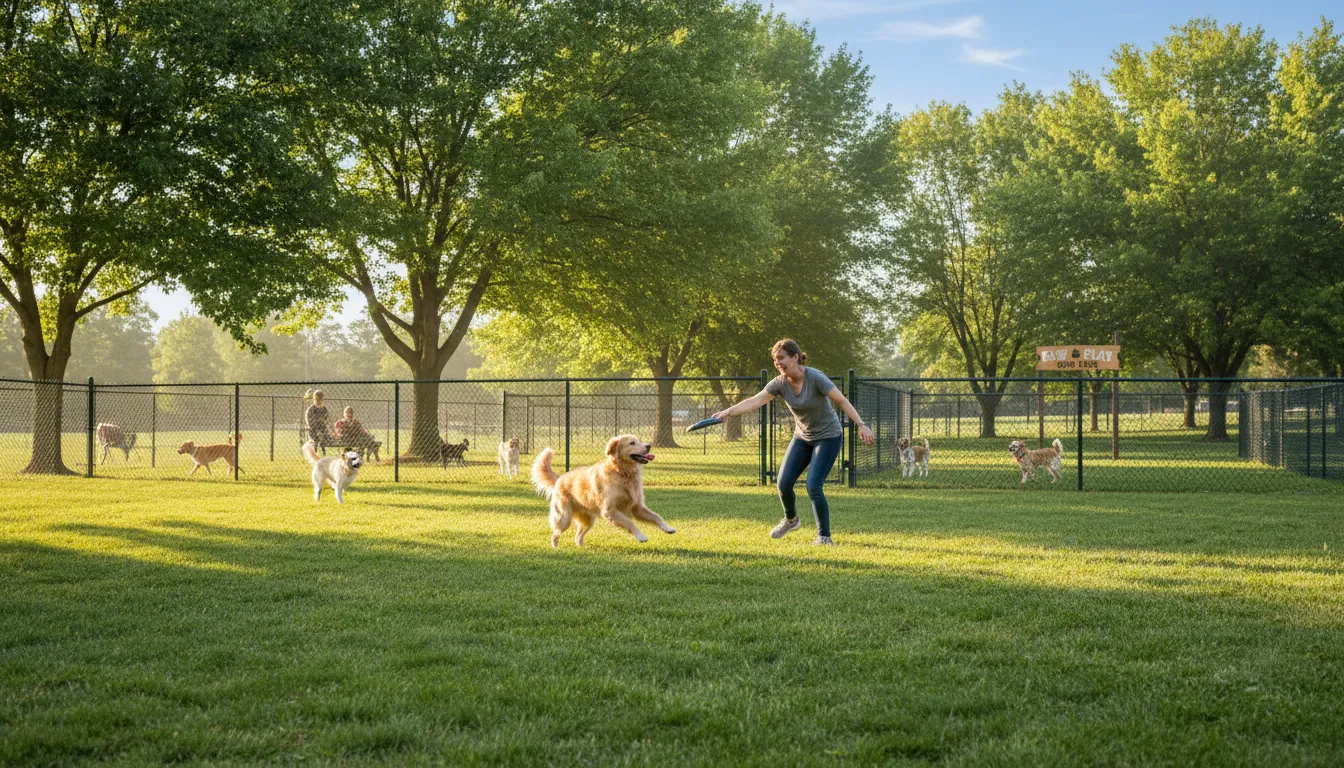
Indoor Dog Park Etiquette: Be That Good Dog (and Human)
I pride myself on being a well-mannered pup, and my mom Lacey has taught me that etiquette matters — even at the dog park. Here are some unwritten (well, now written) rules:
- Pick up after your dog immediately. No one wants to step in a surprise, and fecal matter is one of the top ways parasites spread.
- Don't bring food into the play area. Resource guarding is real, and food can trigger aggressive behavior in even the friendliest dogs.
- Intervene if your dog is being a bully — or being bullied. Play should be reciprocal. If one dog is always chasing and the other is always running away with their tail tucked, that's not play.
- Don't let your dog mob newcomers at the gate. Gate rushing is stressful and can lead to fights. My mom always holds me back when new dogs enter.
- Limit phone time. I know your Instagram can wait. Watch your dog, not your screen.
- Respect the rules of the facility. If they say small dogs only in this area, don't sneak your Great Dane in. I've seen it happen. It doesn't end well.
The Health Benefits of Regular Indoor Dog Park Visits
Beyond the sheer joy of chasing a tennis ball across a rubberized floor, regular visits to an indoor dog park offer serious health benefits:
- Physical exercise: Reduces obesity risk, strengthens joints and muscles, and improves cardiovascular health. For me, an hour of play at an indoor dog park is worth three walks around the block.
- Mental stimulation: New smells, new dogs, agility equipment, and interactive toys all keep my brain sharp and prevent boredom-related behaviors like chewing, barking, and counter-surfing.
- Socialization: Regular positive interactions with other dogs help reduce anxiety, fearfulness, and aggression. This is especially important for puppies (once fully vaccinated!) and rescue dogs who may need to build confidence.
- Bonding with your human: When my mom Lacey plays with me at the park — throwing balls, guiding me through agility courses, or just sitting on the floor giving me belly rubs — our bond grows stronger. That's priceless.
For post-park recovery, my mom always gives me a good brush-out with our Hertzko Self-Cleaning Slicker Brush. It removes loose fur, detangles my curls, and feels like a mini spa session after a hard day of play.
What to Look For in a Quality Indoor Dog Park
Not all indoor dog parks are created equal. When you're searching for an inside dog park near you, here's what separates the great ones from the not-so-great:
| Feature | Great Indoor Park | Red Flag |
|---|---|---|
| Vaccination Policy | Requires proof of current vaccines | No requirements or honor system |
| Cleanliness | Floors cleaned regularly; no lingering odors | Dirty floors, strong urine smell |
| Ventilation | Good airflow, climate-controlled | Stuffy, stale air |
| Supervision | Trained staff actively monitoring | No staff on the floor |
| Size Separation | Separate areas for large and small dogs | All sizes mixed together |
| Temperament Screening | New dogs assessed before joining | Any dog allowed, no questions asked |
| Emergency Protocol | First aid kit on-site; vet contact available | No visible safety measures |
| Water Access | Clean, fresh water stations | No water or dirty bowls |
If a facility checks all the boxes on the left, you've found a winner. If you see multiple red flags, keep searching — your pup deserves the best.
Indoor Dog Park vs. Outdoor Dog Park: Which Is Better?
I get asked this a lot (okay, my mom gets asked this a lot — I mostly just wag my tail). The truth is, both have their place. Here's a quick comparison:
Indoor Dog Park Pros:
- Climate-controlled, year-round access
- Typically cleaner and better supervised
- Vaccination and membership requirements add a safety layer
- Agility equipment and enrichment activities
- No mud, burrs, or wildlife encounters
Indoor Dog Park Cons:
- Usually costs money (day passes or memberships)
- Smaller space than outdoor parks
- Concentrated environment can increase disease risk without proper protocols
- May not be available in all areas
Outdoor Dog Park Pros:
- Free (usually)
- Larger open spaces for running
- Natural terrain provides varied stimulation
- Fresh air and sunshine
Outdoor Dog Park Cons:
- Weather-dependent
- Less supervision and fewer safety requirements
- Higher exposure to parasites, wildlife, and unvaccinated dogs
- Ground conditions can be muddy, icy, or dangerously hot
For me, the ideal setup is both — outdoor parks when the weather cooperates, and an indoor dog park when it doesn't. That way, I never miss a day of play.
How Much Does an Indoor Dog Park Cost?
Pricing varies widely depending on your location and the facility's amenities. Here's a general breakdown:
- Day Pass: $10–$30 per visit
- Monthly Membership: $40–$100
- Annual Membership: $300–$800
- Extras: Some parks offer grooming, daycare, training classes, or birthday party packages for additional fees
Many indoor dog parks near you will offer a free first visit or a discounted trial, so take advantage of those to see if the park is a good fit for your dog before committing.
Well, friends, my eyelids are getting heavy and my paws are tired from all this typing (Golden Doodle paws aren't exactly built for keyboards). But before I curl up for my post-writing nap, let me leave you with this: an indoor dog park isn't just a nice-to-have — it's a year-round lifeline for dogs who need exercise, socialization, and mental stimulation regardless of what the weather's doing outside. My mom Lacey and I have made some of our best memories inside those climate-controlled walls, and I know you and your pup will too. So go ahead — search for an indoor dog park near you, check those vaccination records, pack your bag, and get ready for some serious tail-wagging fun. And hey, when you find a great spot, come back and tell me about it! I love hearing from my readers almost as much as I love belly rubs. Almost.
Stay golden, stay goofy, and keep those tails wagging! 🐾
— Auggie the Golden Doodle
Frequently Asked Questions
Do indoor dog parks make money?
Yes! Indoor dog parks can be quite profitable. Most operate on a membership model (monthly fees ranging from $40–$100) plus day passes ($10–$30 per visit). Many also generate additional revenue through add-on services like grooming, doggy daycare, training classes, retail sales, and event hosting like dog birthday parties. The key to profitability is location, consistent membership retention, and offering diverse services that keep humans and dogs coming back. The pet industry has grown significantly in recent years, making it a solid business opportunity in many markets.
Is a 2 hour walk too long for a dog?
It depends on your dog's breed, age, fitness level, and health status. For a healthy, active adult dog like me (a Golden Doodle), a 2-hour walk can be perfectly fine — even enjoyable! However, for puppies, senior dogs, brachycephalic breeds (like Bulldogs or Pugs), or dogs with joint issues, 2 hours may be too much. Always watch for signs of fatigue like excessive panting, lagging behind, or lying down. Start with shorter walks and gradually build up. An indoor dog park can be a great supplement because your dog can self-regulate their activity level — running when they feel energetic and resting when they need a break.
How do vets feel about dog parks?
Most veterinarians support the concept of dog parks for socialization and exercise but emphasize important precautions. According to VCA Animal Hospitals and other veterinary sources, vets recommend that dogs be fully vaccinated (rabies, distemper, Bordetella), on current parasite preventives, and in good health before visiting any dog park. Vets are particularly cautious about puppies under 4 months who haven't completed their vaccination series. Many vets actually prefer well-managed indoor dog parks because they tend to enforce stricter vaccination requirements and provide better supervision than outdoor parks. The bottom line: vets say dog parks are great — as long as you do your homework and keep your pup protected.
Are indoor dog parks safe for all dogs?
Indoor dog parks are safe for most healthy, vaccinated, well-socialized dogs — but they're not ideal for every pup. Dogs who should avoid indoor dog parks include: unvaccinated puppies under 4 months, dogs who are sick or showing symptoms like coughing or lethargy, dogs with severe fear or aggression issues, and dogs who are immunocompromised. Even for well-suited dogs, safety depends heavily on the quality of the facility. Look for parks that require vaccination proof, separate dogs by size, have trained staff supervising play, and maintain clean, well-ventilated environments. Always supervise your dog during visits and be ready to leave if the energy in the room feels off.
About Auggie
Hi, I'm Auggie! I'm a Golden Doodle who's been to more dog parks than most humans. My mom Lacey and I started Doggie Park Near Me to help every pup find their perfect park. When I'm not sniffing out new spots, you'll find me napping in the sun or begging for treats.
Learn more about us →More From Auggie

How Auggie finds a doggie park near me in one happy sniff
Hey pals, I'm Auggie the Golden Doodle! In my latest blog post, I share my adventures exploring the best doggie park near me and uncover all the fun details about local dog parks. You'll discover cool safety tips, ideal park features, and handy advice for planning stress-free visits. Come along for a tail-wagging journey that makes every park visit a true treat for both you and your furry buddy!

Free Dog Parks in Every State: A Complete Directory
Hey friends, it's Auggie! I sniffed out the best free dog parks in all 50 states so you and your pup can find off-leash fun near you. From safety tips and etiquette to a complete state-by-state directory, this guide has everything you need. Let's go play!

Fenced vs Unfenced Dog Parks: Which Is Safer for Your Pup?
Woof! I'm Auggie, and I've sniffed out everything you need to know about fenced vs unfenced dog parks. Searching for a fenced dog park near me? I break down safety features, health tips, essential gear, and how to find the perfect enclosed park for your pup. Let's dig in!