
How to Find the Best Dog Park Near You (Complete Guide)
Woof, friends! I'm Auggie — a curly-coated Golden Doodle with a nose that never lies and four paws that have trotted through more dog parks than I can count. If you've ever typed "dog park near me" into your phone while your pup stared at you with those big, hopeful eyes, trust me — I get it. That search is basically the canine equivalent of Googling "best pizza in town." Finding the right dog park can be the difference between the zoomie-filled afternoon of your dog's dreams and a stressful outing nobody enjoys. My mom Lacey and I have spent years exploring parks across different neighborhoods, cities, and even states, and we've learned a thing or two (okay, maybe two hundred things) about what makes a dog park truly great. So grab a treat, settle in, and let me walk you through everything you need to know about finding, evaluating, and enjoying the perfect dog park near you.
Why Finding the Right Dog Park Near Me Matters
Let me be real with you — not all dog parks are created equal. I've been to parks with lush green grass, shaded water stations, and perfectly maintained fences. I've also been to parks where the water bowls looked like they hadn't been cleaned since the Bush administration (the first one). The quality of the dog park you choose directly impacts your pup's safety, socialization, and overall happiness.
For dogs like me, a great park isn't just a place to run around. It's a sensory wonderland — new smells, new friends, new patches of grass to roll in. But it's also a place where things can go wrong fast if the environment isn't properly maintained or if pet parents aren't following basic etiquette. According to data shared by Nationwide Veterinary Insurance, common dog park injuries like bite wounds average $361 in vet costs, heat stroke averages $579, and even kennel cough can set you back around $174. Those numbers add up quickly, which is why finding the best dog park near me has always been a priority for my mom Lacey.
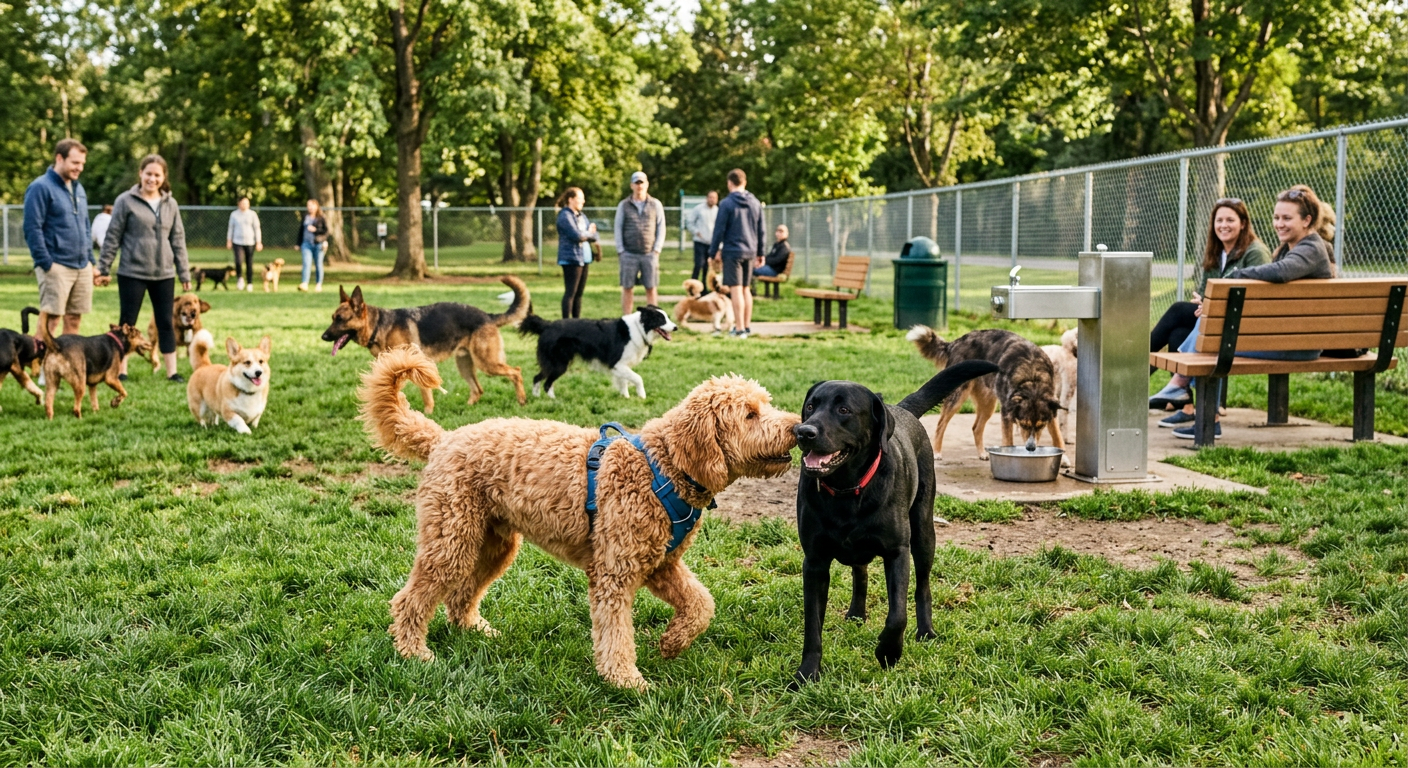
How to Search for the Best Dog Park Near Me
Alright, let's get practical. Here's how my mom Lacey and I go about finding a quality park for dog near me whenever we're in a new area — or even when we want to shake up our regular routine at home.
Use Dedicated Dog Park Finders and Apps
The simplest starting point? Pull out your phone and search "dog park near me" on Google Maps. You'll get a list of parks in your area complete with ratings, reviews, photos, and hours of operation. But don't stop there. Apps like BarkHappy, Sniffspot, and the ASPCA's resources can help you discover parks you might not find through a basic search.
What I love about user-review platforms is that real dog parents share the kind of details that matter — things like "the small dog area has a gap in the fence" or "the water fountain was broken last week." That's gold, friends. That's the kind of intel that keeps tails wagging safely.
Ask Your Local Vet or Dog Groomer
My mom Lacey always says the best recommendations come from people who see dogs all day long. Your local veterinarian, groomer, or even pet store employees usually know which dog parks in your area are well-maintained and which ones to avoid. They hear firsthand about injuries, outbreaks, and park conditions from the community.
Check Local Government and Parks Department Websites
Many cities and counties list their official dog parks on municipal websites, including rules, hours, amenities, and any required permits. Some areas require registration or proof of vaccination before your dog can use public off-leash areas — and trust me, you want to know that before you show up.
Join Local Dog Owner Groups on Social Media
Facebook groups, Nextdoor communities, and Reddit forums for your city or neighborhood are treasure troves of real-time information. People post about park conditions, report aggressive dogs, and share tips about the best times to visit. My mom Lacey found our current favorite park through a neighborhood Facebook group, and it's been our happy place ever since.
What to Look for in a Quality Dog Park
Once you've found a few options by searching "dog park near me," it's time to evaluate them. Not every park with a five-star rating is actually five-star worthy (and not every three-star park is bad — sometimes people leave cranky reviews because they had a rough day). Here's what I sniff for:
Secure, Well-Maintained Fencing
This is non-negotiable. According to Wagbar's comprehensive safety guide, safe dog parks require a minimum of 6-foot fencing with underground barriers to prevent digging. A good dog park should have a double-gated entry system — that's the airlock-style entrance where you pass through one gate before opening the next. This prevents escape artists (I've met a few) from bolting into traffic.
Look for fencing that's free of gaps, sharp edges, and areas where a small dog could squeeze through. And check the gates — do they latch securely? Do they self-close? These details matter more than you'd think.
Separate Areas for Large and Small Dogs
I'm a medium-to-large guy myself, and I play pretty gently, but I understand why small dog owners get nervous when a 70-pound Lab comes bounding over at full speed. The best dog park near me options always have separated areas so dogs of different sizes can play safely and comfortably.
Clean Water Stations and Shade
Hydration is huge, especially during warmer months. Look for parks that have clean, regularly maintained water stations. My mom Lacey always brings our own portable water bowl just in case, and I'd recommend you do the same. The Portable Dog Water Bottle by MalsiPree is one we bring on every single park trip — it's leak-proof and makes it super easy to give me a drink on the go.
Shade is equally important. Parks with mature trees, covered pavilions, or shade structures help prevent overheating. The ASPCA specifically recommends avoiding peak sun hours and ensuring your dog has access to shade during outdoor activities.
Waste Stations and Overall Cleanliness
I'll be blunt: nobody likes stepping in poop. A well-run dog park provides waste bag dispensers and trash cans throughout the space, and responsible park-goers actually use them. If you visit a park and the ground is littered with landmines, that's a red flag about the community culture there. My mom keeps our Earth Rated Dog Poop Bags clipped to my leash at all times — they're eco-friendly, they don't smell weird, and they get the job done.
Surface Material and Drainage
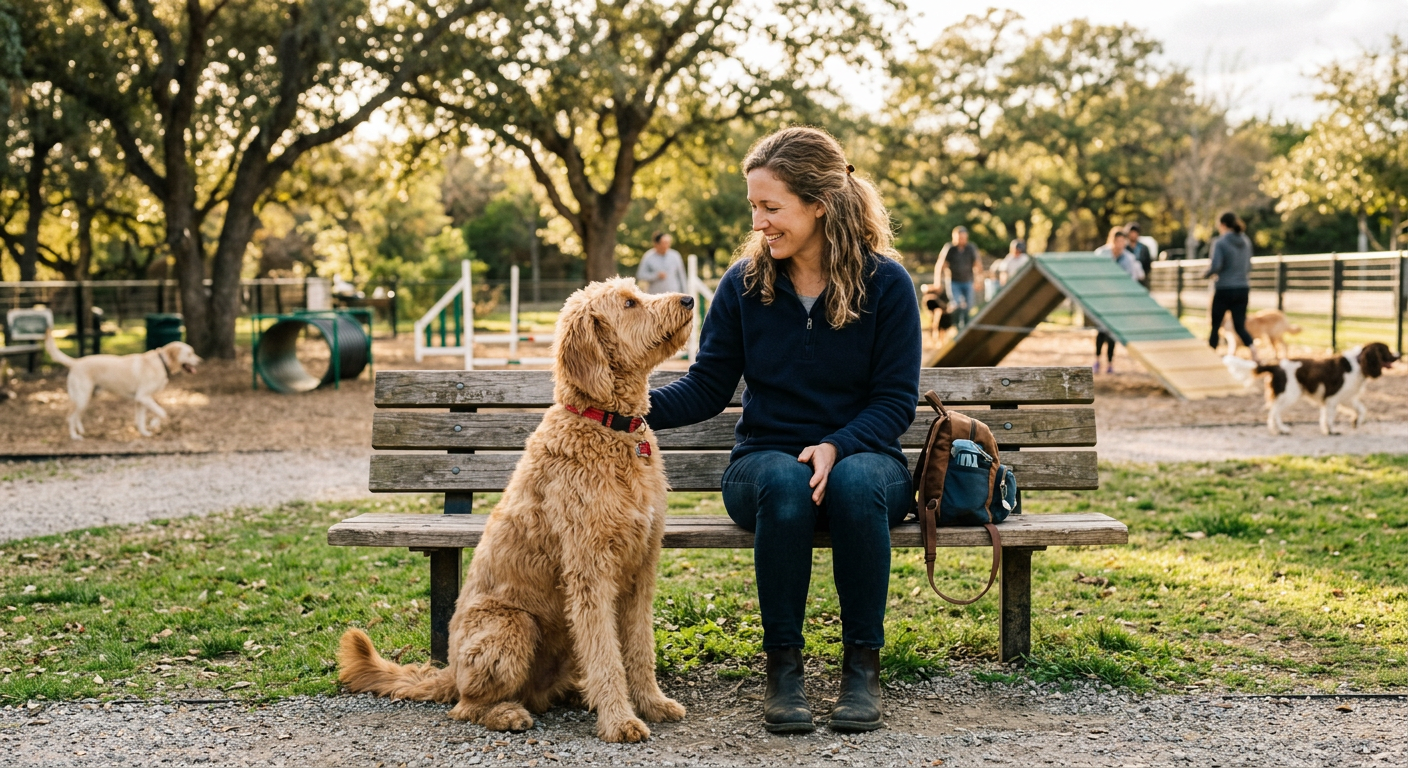
The ground matters! Parks with proper drainage don't turn into mud pits after rain (which is great for my curly coat, let me tell you). Look for a mix of grass, decomposed granite, or rubber mulch. Avoid parks where standing water accumulates — that's a breeding ground for parasites and bacteria.
Dog Park Safety: Keeping Your Pup Protected
Finding a great dog park near me is only half the battle. Keeping your dog safe once you're there is the other half — and arguably the more important one.
Vaccinations Are Non-Negotiable
Before you even think about visiting a dog park, make sure your pup is fully vaccinated. According to Wagbar's safety standards, the minimum vaccination requirements include rabies, DHPP (distemper, hepatitis, parvovirus, parainfluenza), and bordetella. Many facilities also recommend the canine influenza vaccine. And here's a critical one — puppies shouldn't visit dog parks until they've completed their full vaccination series, typically around 16 weeks of age.
I know it's tempting to bring your adorable new puppy to the park for socialization, but the risk of disease exposure is simply too high before those vaccines have fully kicked in.
Know Your Dog's Body Language
Saratoga Veterinary Hospital emphasizes that understanding canine body language is one of the most important skills a dog park visitor can have. A wagging tail doesn't always mean a happy dog — the position, speed, and stiffness of the wag all tell different stories.
Signs your dog (or another dog) may be stressed or uncomfortable:
- Tucked tail or ears pinned back
- Lip licking, yawning, or whale eye (showing the whites of their eyes)
- Stiff body posture or raised hackles
- Growling, snapping, or excessive barking
- Attempting to hide behind their owner
If you see these signs in your dog, it's time to take a break. If you see them in another dog, calmly create distance. No park visit is worth a bite wound or a traumatic experience.
Timing Is Everything
My mom Lacey and I have learned that the time you visit a dog park can dramatically affect the experience. Early mornings and late afternoons tend to draw the regulars — dogs and owners who know each other and understand the unwritten rules. Weekends during peak hours can be chaotic, especially at popular parks. If your dog is on the shyer side or you're new to dog parks, try visiting during off-peak times first.
Bring the Right Gear
Here's what my mom always packs for our dog park adventures:
- A sturdy leash for arrival and departure: We use the TaoTronics Retractable Dog Leash for the walk to and from the park — it's durable and gives me just enough freedom without losing control.
- Fresh water and a portable bowl: Always have your own supply.
- Treats for recall training: Being able to call your dog back reliably is essential in off-leash settings. I'm partial to the Zuke's Mini Naturals Training Treats — they're small, delicious, and perfect for quick rewards.
- Waste bags: Always, always, always.
- A basic first aid kit: Because accidents happen.
Dog Park Etiquette: The Unwritten Rules Every Owner Should Know
Listen, I've seen some things at dog parks. I've seen owners completely glued to their phones while their dog terrorized every other pup in the park. I've seen people bring food (human food!) and then act surprised when dogs swarmed them. Let's just all agree to follow some basic etiquette, shall we?
Always Supervise Your Dog
A dog park is not a daycare. You are your dog's advocate, guardian, and emergency extraction team. Keep your phone in your pocket and your eyes on your dog. Period.
Leash Up in Leash Zones
Most parks have leash-required areas (parking lots, entry paths) and off-leash areas. Respect the boundaries. As Saratoga Veterinary Hospital notes, keeping dogs leashed during entry and exit prevents the chaotic rushing that can trigger fights or escapes.
Don't Bring Dogs in Heat
This one's important. Dogs in heat must be kept away from dog parks because they trigger intense reactions in male dogs that create unsafe conditions for everyone. It's not just about your dog — it affects the entire park dynamic.
Pick Up After Your Dog
I can't believe I have to say this, but... pick. up. the poop. Every time. No exceptions. Not even the runny ones (especially the runny ones). It's how we keep parks clean and open for everyone.
Leave If Things Go Wrong
There's no shame in leaving a dog park if the vibe isn't right. If another dog is being aggressive, if the park is overcrowded, or if your own dog isn't having a good time — just go. You can always come back another day. My mom Lacey has packed me up mid-visit plenty of times, and I love her for it.
Dog Park Alternatives to Explore in Your Area
Sometimes the traditional dog park near me options don't quite fit your needs. Maybe your dog is reactive. Maybe you have a tiny puppy who isn't fully vaccinated yet. Maybe you just want some variety. Here are some alternatives worth exploring:
- Sniffspot: Private, rented outdoor spaces where your dog can play off-leash without the chaos of a public park.
- Dog-Friendly Hiking Trails: Many trails in your area allow leashed dogs and offer a more nature-immersive experience.
- Dog-Friendly Beaches: If you're near the coast, beach play is an incredible workout and sensory experience.
- Indoor Dog Parks and Play Centers: Some cities have indoor facilities that are climate-controlled and supervised by trained staff.
- Your Own Backyard: Sometimes the best play space is right at home, especially with a ChuckIt! Ultra Ball Launcher to really send those throws flying. My mom Lacey can barely throw, but with the ChuckIt she looks like an Olympic athlete (don't tell her I said that).
Seasonal Tips for Dog Park Visits
Spring and Summer
- Visit during cooler morning or evening hours
- Bring extra water — dehydration and heat stroke are real dangers
- Check for ticks after every visit
- Watch for standing water that may harbor parasites
- Apply dog-safe sunscreen if your pup has thin or light-colored fur
Fall and Winter
- Shorter daylight hours mean less visibility — stick to parks with good lighting
- Watch for icy surfaces that can cause slips and injuries
- Keep an eye on your dog's paw pads — salt and de-icing chemicals can cause irritation
- Layer up (you, not necessarily your dog — though some breeds appreciate a coat)
- Bring towels for muddy conditions
There you have it, friends — everything my four paws and my mom Lacey's years of experience have taught us about finding the perfect dog park near me. Whether you're brand new to the dog park scene or a seasoned off-leash adventurer, taking the time to research, evaluate, and prepare for your visits makes all the difference. The right dog park isn't just a patch of fenced grass — it's a community, a playground, and a place where the bond between you and your pup grows stronger with every visit. So go ahead, pull out your phone, search for the best dog park near me, and start exploring. Your dog is counting on you — and trust me, that tail wag when they realize where you're headed? Worth every bit of effort. Now if you'll excuse me, I hear the jingle of my leash, and that can only mean one thing. Park time! 🐾
Don't forget to bookmark doggieparknearme.com for more tips, park reviews, and dog-approved advice. See you at the park!
Frequently Asked Questions
How do I find the best dog park near me?
Start by searching "dog park near me" on Google Maps to find parks in your area with reviews and photos. Then check local apps like BarkHappy or Sniffspot, ask your veterinarian for recommendations, visit local government parks department websites, and join neighborhood social media groups where dog owners share real-time park reviews and conditions.
What vaccinations does my dog need before visiting a dog park?
At minimum, your dog should be current on rabies, DHPP (distemper, hepatitis, parvovirus, parainfluenza), and bordetella (kennel cough) vaccines. Many parks also recommend the canine influenza vaccine. Puppies should not visit dog parks until they've completed their full vaccination series, which is typically around 16 weeks of age.
Are dog parks safe for small dogs?
Dog parks can be safe for small dogs as long as the park has a separate area designated for small breeds. Look for parks that clearly divide play areas by dog size to prevent injuries from size mismatches during play. Always supervise your small dog closely and don't hesitate to leave if the environment feels unsafe.
What should I bring to the dog park?
Essential items include a sturdy leash, fresh water and a portable bowl, waste bags, high-value treats for recall training, and a basic pet first aid kit. It's also wise to bring a towel for cleanup and ensure your dog is wearing a collar with current ID tags. Avoid bringing toys your dog may guard aggressively or human food that could attract other dogs.
When is the best time to visit a dog park?
Early mornings and late afternoons on weekdays tend to be the best times, as parks are less crowded and you'll often encounter regular visitors with well-socialized dogs. Avoid peak weekend hours if your dog is shy or reactive. During summer, visit during cooler parts of the day to prevent overheating and heat stroke.
How much do common dog park injuries cost to treat?
According to veterinary insurance data, common dog park injuries can be costly: bite wounds average around $361 in treatment costs, heat stroke averages $579, and kennel cough averages $174. These costs can vary significantly based on severity and your location, making prevention and proper park selection all the more important.
About Auggie
Hi, I'm Auggie! I'm a Golden Doodle who's been to more dog parks than most humans. My mom Lacey and I started Doggie Park Near Me to help every pup find their perfect park. When I'm not sniffing out new spots, you'll find me napping in the sun or begging for treats.
Learn more about us →More From Auggie

How Auggie finds a doggie park near me in one happy sniff
Hey pals, I'm Auggie the Golden Doodle! In my latest blog post, I share my adventures exploring the best doggie park near me and uncover all the fun details about local dog parks. You'll discover cool safety tips, ideal park features, and handy advice for planning stress-free visits. Come along for a tail-wagging journey that makes every park visit a true treat for both you and your furry buddy!

Free Dog Parks in Every State: A Complete Directory
Hey friends, it's Auggie! I sniffed out the best free dog parks in all 50 states so you and your pup can find off-leash fun near you. From safety tips and etiquette to a complete state-by-state directory, this guide has everything you need. Let's go play!

Fenced vs Unfenced Dog Parks: Which Is Safer for Your Pup?
Woof! I'm Auggie, and I've sniffed out everything you need to know about fenced vs unfenced dog parks. Searching for a fenced dog park near me? I break down safety features, health tips, essential gear, and how to find the perfect enclosed park for your pup. Let's dig in!