
Dog Hydration: Signs of Dehydration and How to Keep Your Dog Hydrated
Hey there, friends — it's your favorite curly-coated correspondent, Auggie the Golden Doodle! Today I want to talk about something that's literally vital to every tail-wagging, zoomie-loving pup out there: dog hydration. Trust me, I think about water more than you'd expect. After a wild session of fetch at the dog park near me, the first thing I do is make a beeline for my water bowl — and my mom Lacey always makes sure it's full and fresh. But here's the thing: not every dog parent realizes just how critical proper hydration is, or how quickly dehydration can sneak up on a pup. Whether you're dealing with a hot summer day, a long hike, or just everyday life, understanding dog hydration can genuinely save your best friend's life. So let me share what I've learned (some of it the hard way, some from my mom's research) about keeping dogs like me happy, healthy, and perfectly hydrated.
Why Dog Hydration Matters More Than You Think
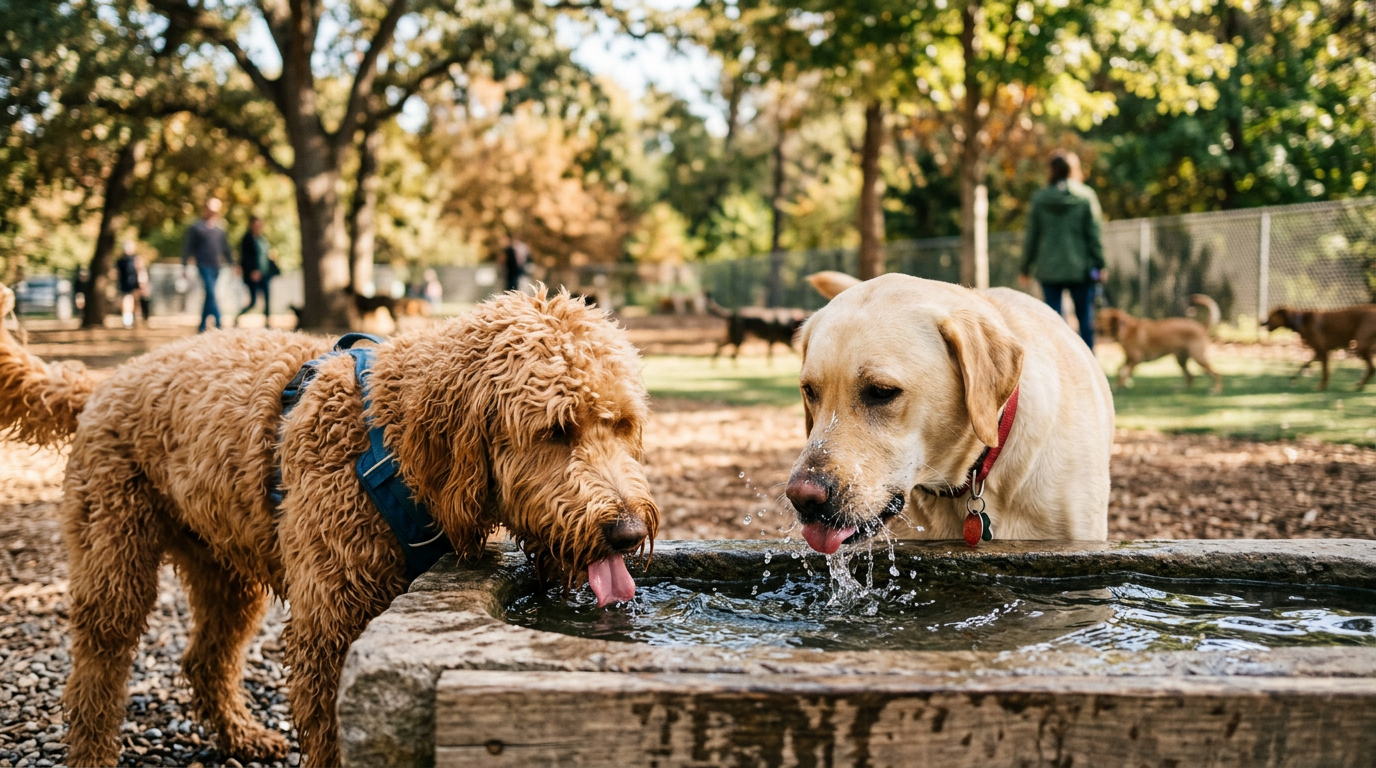
Let me paint a picture for you. It's a sunny Saturday afternoon, and I've just spent forty-five glorious minutes chasing squirrels (unsuccessfully, as always) and wrestling with my buddy Biscuit at the local dog park. I'm panting hard, my tongue is hanging out like a wet pink carpet, and every cell in my furry body is screaming for water. That's because water makes up about 60-80% of a dog's body, and we lose it fast — through panting, drooling, playing, and just being our magnificent selves.
According to dvm360, dogs require approximately 1 ounce of water per pound of body weight daily. So for a 50-pound dog like me, that's about 50 ounces — or roughly six cups — every single day. And that's just baseline maintenance! On hot days, during heavy exercise, or if I'm dealing with an upset tummy, I need even more.
Proper hydration for dogs supports every system in the body: digestion, circulation, joint lubrication, temperature regulation, and even cognitive function. When my mom Lacey first learned just how much water I needed, she started paying way closer attention to my bowl — and honestly, it made a noticeable difference in my energy and coat quality.
Signs of Dehydration in Dogs: What to Watch For
Here's where things get serious, pals. Dog dehydration can range from mild to life-threatening, and it doesn't always announce itself with a big flashing sign. My mom Lacey learned to watch for the subtle cues, and I want you to know them too.
The Skin Elasticity Test
This is the classic one, and it's easy to do at home. Gently pinch the skin on the back of your dog's neck or between the shoulder blades and release it. In a well-hydrated dog, the skin snaps back immediately. If it takes a second or two to return to normal — or worse, stays tented — that's a red flag for dehydration. The Merck Veterinary Manual explains that veterinarians estimate dehydration deficit using the formula: body weight (kg) × dehydration percentage (as a decimal), and the deficit is replaced over 12–24 hours in clinical settings.
Other Warning Signs
- Dry, sticky gums: Healthy gums should be slick and moist. If they feel tacky or dry, hydration is likely an issue.
- Sunken eyes: This is a more advanced sign, but dehydrated dogs can develop a hollow, tired look around their eyes.
- Lethargy and weakness: If your normally zoomy pup is lying around refusing to play, dehydration could be the culprit.
- Loss of appetite: When I turn down a treat, my mom Lacey knows something is seriously wrong. Dehydration can suppress appetite.
- Thick, ropy saliva: Normal drool should be thin and watery. Thick saliva indicates the body is conserving fluids.
- Dark yellow urine: Just like in humans, concentrated urine is a telltale sign.
- Slow capillary refill time: Press your finger against your dog's gum until it turns white, then release. The color should return within 1-2 seconds. Longer than that? Call your vet.
The NCBI/NIH emphasizes that preventing canine dehydration through constant access to drinking water and rest periods during activity is the most effective approach — because by the time you notice symptoms, the dehydration may already be moderate to severe.
Common Causes of Dehydration in Dogs
Dehydration doesn't just happen because a dog doesn't drink enough water (though that's a big one). Here are the most common reasons dogs get dehydrated:
- Heat exposure: Playing in the sun without shade or water is the number-one cause I see at dog parks near me during summer.
- Excessive exercise: Those long hikes and fetch marathons are amazing, but they require extra water intake.
- Illness: Vomiting, diarrhea, fever, and infections all cause rapid fluid loss.
- Not enough water access: Some pups don't have fresh water available throughout the day, especially when their humans are at work.
- Kidney disease or diabetes: Certain medical conditions cause dogs to urinate more frequently, leading to chronic dehydration.
- Travel: Road trips, flights, and changes in routine can throw off a dog's drinking habits.
My mom Lacey always packs extra water for me when we travel, and she's taught me (well, trained me) to drink on command. Okay, she just holds the bowl in front of my face and I do what comes naturally — but still, teamwork!
How Much Water Does Your Dog Actually Need?
Let's get specific about dog hydration requirements, because "enough water" is pretty vague.
As I mentioned, the general guideline is 1 ounce of water per pound of body weight per day. But the American Animal Hospital Association (AAHA) provides even more precise calculations for veterinary professionals: maintenance fluid needs are approximately 60 mL/kg/day or can be calculated as 132 × body weight (kg)^0.75 mL/day.
Here's a quick reference table for everyday dog parents:
| Dog Weight | Daily Water Intake |
|---|---|
| 10 lbs | ~10 oz (1.25 cups) |
| 25 lbs | ~25 oz (3 cups) |
| 50 lbs | ~50 oz (6.25 cups) |
| 75 lbs | ~75 oz (9.4 cups) |
| 100 lbs | ~100 oz (12.5 cups) |
Keep in mind these are baseline amounts. You'll want to increase water availability by 50-100% during hot weather, after strenuous activity, or if your dog is nursing or recovering from illness.
How to Keep Your Dog Hydrated: Practical Tips
Alright, here's where I get to share my favorite tips — the stuff that actually works in real life, not just in textbooks.
1. Always Have Fresh Water Available
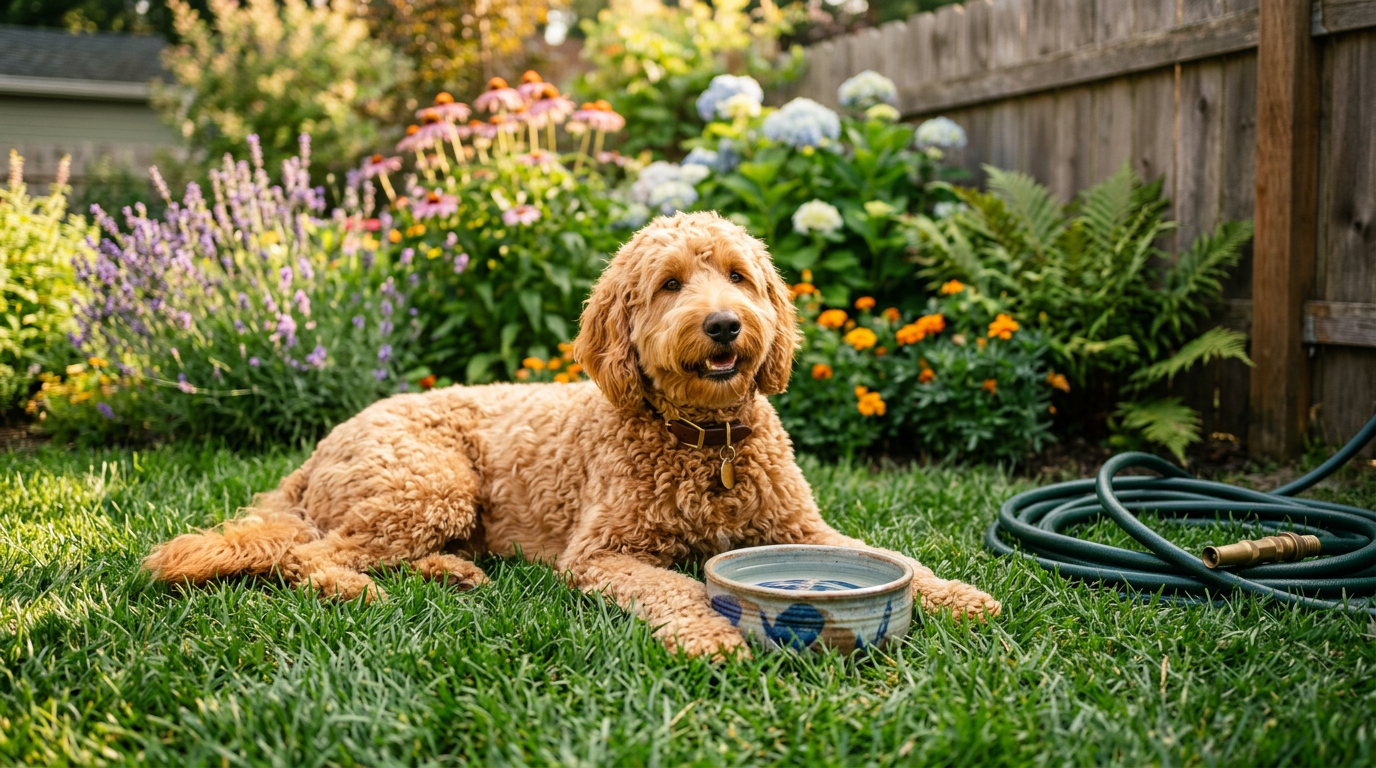
This seems obvious, but you'd be surprised how many dog parents let the bowl run dry. My mom Lacey refills my water bowl at least twice a day and washes it daily to prevent bacterial buildup. If you're looking for a great option, I highly recommend the PetSafe Drinkwell Platinum Pet Fountain. The circulating water stays fresh and cool, and the sound of running water encourages dogs to drink more. I'm obsessed with mine — it's like having a tiny waterfall in the kitchen.
2. Bring Water on Every Outing
Whether you're heading to the dog park near you, going on a hike, or just running errands with your pup in the car, bring water. The MalsiPree Dog Water Bottle is a game-changer for on-the-go hydration. It's leak-proof, has a built-in trough, and fits right in a backpack or car cup holder. My mom Lacey never leaves home without it.
3. Add Water to Meals
One of the easiest dog hydration hacks is to add water or low-sodium bone broth to your pup's kibble. This sneaks in extra fluids without any effort on the dog's part. I personally love when my mom mixes a little warm water into my dinner — it makes the kibble smell even more amazing and creates a delicious gravy.
4. Offer Hydrating Treats
Watermelon (seedless, no rind), cucumber, and frozen fruit pops are all great hydrating snacks. My mom Lacey freezes low-sodium chicken broth in ice cube trays for me during summer, and let me tell you, they are the highlight of my afternoon.
5. Use a Dog Hydration Supplement
Sometimes plain water isn't enough — especially after intense exercise, during illness, or in extreme heat. That's where a dog hydration supplement comes in. Products like Nulo Hydrate Functional Water Enhancer for Dogs add electrolytes, B vitamins, and amino acids to water, making it more appealing and more effective at restoring hydration. Think of it like a doggy sports drink — minus the artificial junk.
I also want to give a shout-out to The Honest Kitchen Daily Boosters - Instant Beef Bone Broth, which is not only delicious but adds meaningful hydration to any meal. It's made with real bone broth and just a handful of wholesome ingredients. My tail goes absolutely bonkers when my mom pulls that pouch out of the pantry.
6. Monitor Water Intake
If you suspect your dog isn't drinking enough, try measuring the water you put in the bowl and checking how much is left at the end of the day. This gives you a rough idea of intake and helps you catch drops in consumption early.
7. Create Shade and Cool Zones
At dog parks in your area, look for shaded spots and water stations. If your backyard doesn't have natural shade, set up a canopy or pop-up tent. Keeping your dog cool reduces the rate at which they lose fluids through panting.
Dog Hydration Supplements: When and Why to Use Them
Let's dive a little deeper into dog hydration supplements, because they've become increasingly popular — and for good reason.
A dog hydration supplement typically contains electrolytes (like sodium, potassium, and chloride), sometimes with added vitamins and minerals. These supplements are designed to help dogs absorb and retain water more effectively, which is critical during:
- Recovery from illness (especially after vomiting or diarrhea)
- Post-surgery hydration support
- Intense physical activity (agility, hunting, long hikes)
- Hot weather exposure
- Senior dogs who may not drink enough on their own
The AAHA fluid therapy guidelines note that enteral (oral) fluid administration is preferred over intravenous routes when possible for dehydrated patients — which means getting your dog to drink electrolyte-enhanced water at home can be a powerful first line of defense before things escalate to the vet.
That said, a dog hydration supplement is not a substitute for veterinary care if your dog is showing moderate to severe dehydration symptoms. If your pup's skin stays tented, if they're vomiting repeatedly, or if they seem disoriented, get to the vet immediately. My mom Lacey keeps a dog hydration supplement in our "go bag" for emergencies, but she also knows when it's time to call in the professionals.
Hydration Tips for Specific Situations
At the Dog Park
Dog parks near you may or may not have water fountains, so always bring your own supply. Communal water bowls can harbor bacteria like giardia and leptospirosis. My mom Lacey always brings my personal collapsible bowl and our portable water bottle.
During Travel
Car rides, especially long ones, can be dehydrating. Offer water every 1-2 hours during road trips. If you're flying with your dog, ensure they're hydrated before the flight and immediately after.
For Puppies and Senior Dogs
Puppies have higher metabolic rates and need proportionally more water. Senior dogs may have reduced thirst drive or mobility issues that make it harder to reach the bowl. Consider placing multiple water stations around your home.
In Winter
Here's a surprise: dehydration doesn't only happen in summer. Cold, dry air and heated indoor environments can dehydrate dogs in winter too. Don't assume your dog needs less water just because it's chilly outside.
When to See the Vet About Dog Dehydration
As much as I love sharing home tips and tricks, some situations require a professional. See your vet if your dog:
- Shows signs of dehydration that don't resolve with increased water access
- Has been vomiting or having diarrhea for more than 24 hours
- Refuses to drink water entirely
- Seems disoriented, excessively lethargic, or collapses
- Has pre-existing conditions like kidney disease or diabetes
In clinical settings, veterinarians may administer IV fluid boluses of 15–20 mL/kg over 15–30 minutes for dogs experiencing hypovolemia (severe fluid loss), as outlined by AAHA guidelines. This is life-saving stuff that can't be replicated at home, so never hesitate to make that call.
My Personal Dog Hydration Routine
I want to wrap up the main content by sharing what my mom Lacey and I actually do every day to keep my hydration on point:
- Morning: Fresh bowl of filtered water refilled as soon as I wake up.
- Breakfast: A splash of warm water mixed into my kibble.
- Mid-morning: Access to my pet fountain while my mom works.
- Afternoon walk/park time: Portable water bottle with built-in bowl, offered every 15-20 minutes during play.
- Post-exercise: A small amount of dog hydration supplement mixed into water if it was a particularly intense session.
- Dinner: Another splash of water or bone broth in my food.
- Evening: One last fresh bowl before bedtime.
Is it a lot? Maybe. But my coat is shiny, my nose is wet, my energy is through the roof, and my vet says I'm in tip-top shape. Hydration for dogs isn't complicated — it just requires a little consistency and attention.
Finally, I want to recommend one more product that's been a staple in our house: the Outward Hound Port-A-Bowl Collapsible Dog Bowl. It's lightweight, clips to a leash or bag, and holds up to 48 ounces of water. Perfect for dog park visits, hiking, or any adventure near you.
Well, friends, there you have it — everything this Golden Doodle knows about dog hydration, from the warning signs of dehydration to practical tips that actually work in everyday life. Whether you're mixing a dog hydration supplement into your pup's water bowl, packing a portable bottle for the dog park near you, or simply making sure that bowl stays full and fresh, every little effort adds up to a healthier, happier dog.
My mom Lacey always says that taking care of me starts with the basics — and water is about as basic as it gets. So do your furry best friend a favor today: check that water bowl, learn those dehydration signs, and make hydration a daily priority. Your dog will thank you with sloppy kisses, wagging tails, and years of unconditional love.
Until next time, stay hydrated and keep those tails wagging! 🐾
Woof woof, Auggie
Frequently Asked Questions
How can you rehydrate a dog?
The best way to rehydrate a dog with mild dehydration is to offer small, frequent amounts of fresh water rather than letting them gulp a huge amount at once (which can cause vomiting). You can also add a dog hydration supplement or unflavored Pedialyte to their water to replenish electrolytes. Mixing water or low-sodium bone broth into their food is another effective strategy. For moderate to severe dehydration — especially if your dog is vomiting, has diarrhea, or is lethargic — seek veterinary care immediately, as they may need subcutaneous or intravenous fluids.
What is the 3-3-3 rule with dogs?
The 3-3-3 rule is a guideline for newly adopted or rescued dogs adjusting to a new home. In the first 3 days, your dog may feel overwhelmed, not eat or drink normally, and shut down. In the first 3 weeks, they'll start settling in, learning your routine, and showing their personality. After 3 months, they should feel fully at home and bonded with you. During this adjustment period, monitoring dog hydration is especially important since stress can reduce a dog's desire to drink.
What can I give my dog to increase hydration?
Beyond fresh, clean water, you can boost your dog's hydration with several options: dog hydration supplements containing electrolytes, low-sodium bone broth (like The Honest Kitchen Daily Boosters), water mixed into kibble, hydrating fruits and vegetables like seedless watermelon and cucumber, frozen broth cubes as treats, and pet water fountains that encourage more frequent drinking. Always avoid giving your dog sugary drinks, caffeinated beverages, or human sports drinks — stick to products specifically formulated for dogs.
What is the 7 7 7 rule for dogs?
The 7-7-7 rule is a socialization guideline for puppies. By the time a puppy is 7 weeks old, they should have walked on 7 different surfaces. By 7 months, they should have met 7 new people each week and been exposed to 7 different environments. The goal is to build a well-adjusted, confident dog. While following this rule, keeping your puppy properly hydrated is essential — puppies have higher metabolic rates and dehydrate faster than adult dogs, especially during new, stimulating experiences.
How do I know if my dog is drinking enough water?
A good rule of thumb is that dogs need approximately 1 ounce of water per pound of body weight daily. You can monitor intake by measuring the water you put in the bowl and checking what remains. Physical signs of adequate hydration include moist, pink gums, elastic skin that snaps back quickly when gently pinched, clear to light yellow urine, and a wet nose. If your dog consistently drinks less than expected or shows signs of dehydration, consult your veterinarian.
Can a dog drink too much water?
Yes, although it's less common than dehydration, overhydration (water intoxication or hyponatremia) can occur — particularly in dogs who play in water excessively, such as retrieving toys from lakes or pools. Symptoms include bloating, vomiting, loss of coordination, lethargy, and in severe cases, seizures. If your dog drinks excessively and urinates frequently without an obvious cause, it could also indicate an underlying condition like diabetes or kidney disease. Always consult your vet if you notice unusual drinking patterns.
About Auggie
Hi, I'm Auggie! I'm a Golden Doodle who's been to more dog parks than most humans. My mom Lacey and I started Doggie Park Near Me to help every pup find their perfect park. When I'm not sniffing out new spots, you'll find me napping in the sun or begging for treats.
Learn more about us →More From Auggie

Dog Supplements Guide: Which Ones Does Your Dog Actually Need?
Hey, it's Auggie! 🐾 Wondering which dog supplements your pup actually needs? I'm breaking down everything from joint support to omega-3s and probiotics — plus my top product picks. Whether your dog is a park-loving puppy or a dignified senior, this guide has you covered. Let's dig in!

How to pick the best doggie park near me by Auggie
Hey there, it's Auggie the Golden Doodle! Ever wonder where you can find the perfect doggie park near me? In my ultimate guide, I share my favorite spots, essential park features like agility runs and water fountains, and top tips for a safe, fun outing. Join me to discover local parks that keep us wagging and ready for adventure. Trust me, you don't want to miss these insider secrets!

Dog Skin and Coat Supplements: Getting That Healthy Shine
Woof! It's Auggie here, your favorite Golden Doodle, sharing everything I know about dog skin health supplements. From omega-3s and vitamin E to zinc and lifestyle tips, I'm breaking down the science-backed ingredients that transformed my coat from dull to dazzling. Get my vet-approved picks and personal routine!